Farmer’s Footprint: A Soil Crisis, a Health Crisis, and a Regenerative Solution
BY Zach Bush Md
November 14, 2019
Attractions
Photography by Images courtesy of Farmer’s Footprint for Edible San Diego
PRINT
Soil health is arguably the most important element impacting our health, the health of future generations, and the health of this planet we call home.
Hippocrates famously said, “Let food be thy medicine.” Over the last decade, our clinical and basic science teams have been working to understand why the food system is failing to live up to this ancient claim.
The discoveries have been unexpected, but perhaps in the end quite obvious; the capacity of our food to create and deliver their medicinal attributes relies on a complex relationship between the soil microbiome, the plants that grow in them, and the gut microbiome of the animal or human that goes on to consume that food.
The soils of the earth contain every element represented on the periodic table. It is the extraordinary intelligence of the soil microbiome – billion of species of bacteria, parasites, fungi, viruses with literally hundreds of trillions of genes, each producing as many as 200 different proteins and enzymes – that work together to transform that periodic chart of elements into a safe and bioavailable pool of nutrients.
In the United States, and worldwide, our soil is being stripped of it’s natural and diverse microbiome. And, the evidence is in, the current state of our chronic disease epidemic is directly related to the rapid destruction of our soils.
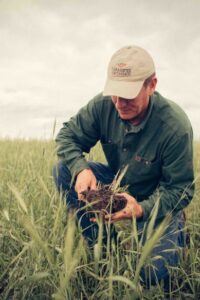
As a society, our hands are rarely in the dirt. We spend more time indoors and in routines that completely disconnect us from mother nature. We have lost touch with how our food is grown, who grows it, what we are actually consuming, and how it is reshaping our biology. This disconnect, and the farming practices that have resulted, make us more prone to chronic illness than ever before.
Soil and Human Health
The microbiome is the front line of defense for your immune system and is responsible for an estimated 90% of all the enzymatic work done in the human body including digestion, metabolism, detoxification, and nutrient mobilization. In our daily lives, we are constantly exposed to antibiotic compounds that undermine the diversity and population density of the microbiome within our bodies.
Your relationship with your outside world and your inside world is the core function of the immune system. As we ingest food that has been grown under chemical agricultural conditions, we are opening up our entire bodies to the constant necessity for the immune system to react to our food and environment, resulting in chronic inflammation, accelerated aging, and disease.
As we expose ourselves to chemicals in our environment, including eating food grown on chemically farmed land, this communication network disconnects the organic matter of our gut. As you damage the microbiome and degrade this critical barrier system, we become vulnerable to toxins and even organic elements. Plant foods that have long been recognized to have medicinal characteristics, such as kale, can become inflammatory as the insoluble fibers in these healthy foods is absorbed through that leaky, unregulated gut lining. As it happens, kale is often one of the most glyphosate contaminated foods grown through conventional chemical agriculture.
After that super healthy-sounding kale salad, if you feel bloated and suffer from brain fog, you probably think to yourself , “I just had a kale salad. I did yoga. Why do I feel like crap?”
The unfortunate reality is that unless you grow or purchase your produce from someone using a regenerative organic practice that emphasizes soil health and nutrient density, even the healthiest sounding meals can cause a widespread leaky gut injury.
Where Do We Go From Here?
The gravest mistake we have ever made as humans has been the last 60 years of chemical warfare on our soils and microbiome. Today’s crisis is also our greatest opportunity. We can transform our relationship with our food and agricultural systems by bringing soil health into the forefront of the conversation.
Through fundamental changes in our approach to soil and food system management, we can revitalize this planet by reconnecting the natural carbon cycles that have long maintained balance in our soil, water, and air in order for biology to thrive.
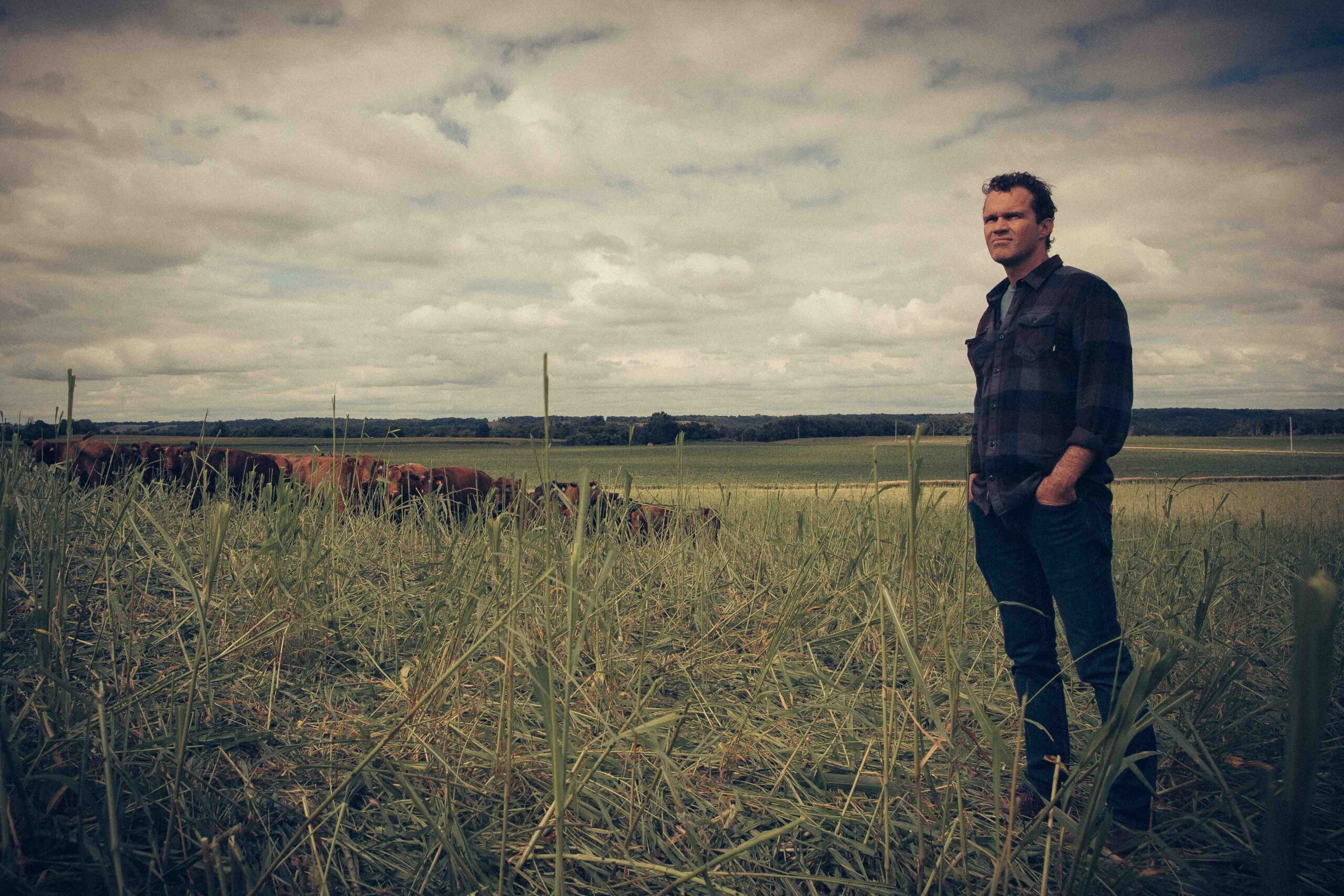
Regenerative Agriculture is a way of farming that uses techniques that do not disturb the natural ecosystem of our soil, and instead work to support the constant enrichment of biological diversity on every level of garden or farm.
These practices include species-diverse cover cropping, crop rotations, no-till farming, integrated livestock management, and no herbicide, pesticide or fertilizer use.
When food is grown regeneratively it is resistant to pests and disease and is far more nutrient-dense for the animal or human that will eat it. In addition to these health benefits, regenerative agriculture also provides additional benefits to our environments, such as carbon capture and cycling that can help to reverse greenhouse gas contributions to climate change; increased water absorption and storage to improve resilience in flooding and droughts; reduced soil loss and silting of adjacent river and ocean systems, and more biodiversity.
Ways to Join the Regenerative Revolution
Get Outside
Diversify your exposure to different outdoor environments as much as possible. Seek diversity in your day and breathe in new ecosystems. Your microbiome is an extension of your greater ecosystem that you interact with each day. The more you adventure, the deeper your health will root.
Eat Regeneratively
Food grown using Regenerative Agriculture practices provides the optimal environment for nutrient-rich, healthy food to grow. Seek out farmers and restaurants in your area who use Regenerative practices or source from Regenerative farms, and take a look at your pantry to really determine what is contributing or degrading your microbiome.
Grow Organic Communities
The third largest crop grown in the US, at 40 million acres, is lawn grass. This monoculture grass is fed enormous amounts of chemical fertilizers, herbicides and pesticides, making our front yards, school yards, soccer fields, parks, and golf courses some of the most toxic acreage in the US.
Learn to eliminate all chemical inputs with the Non-Toxic Neighborhoods Project at Farmer’s Footprint.
Diversify Your Diet
When you diversify your diet with nutrient dense organic foods you are strengthening your microbiome. The closer your plate is to the garden the better.
Organic CSA and farmers market resources are a go to when your own backyard is not producing.
The daily addition of a few bites of wild fermented foods and eating local fruits and vegetables in their appropriate season, and growing your own food are great ways to diversify your inner ecology.
Avoid Probiotic Use
Your gut is intended to have 20,000 to 30,000 species of bacteria. A typical probiotic has three to seven species. Rather than rely on probiotics, go outdoors and eat wild-fermented (rather than probiotic-cultured) foods.
Become an Advocate
If you are seeking a more active role in your schools and community consider becoming a Soil Health Advocate through the Kiss the Ground online certification program.
Join the Movement
Support Farmer’s Footprint and our mission to regenerate 5 million acres of farmland by 2025.
By supporting our cause, you help to support farmers and communities make the transition from chemical dependence to the life-giving practice of regenerative soil management.
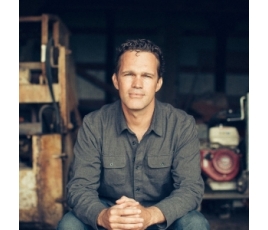
Zach Bush MD is a physician specializing in internal medicine, endocrinology and hospice care. He is an internationally recognized educator on the microbiome as it relates to health, disease and our food production systems.
Dr Zach founded *Seraphic Group to develop root-cause solutions for human and ecological health and extend his passion for educating the global community about topics such as the state of our soil – including the need to eradicate toxins such as glyphosate from our farming chain – and the importance of gut/brain communication as a vital part of our overall health/wellbeing.
Dr. Zach Bush also founded ION*Biome, an all-natural, non-toxic mineral supplement that goes beyond the scope of probiotics to support gut strength, mental clarity and immune function, to create the optimum gut-brain connectivity and protection from the toxins we face every day in our air, water, and food, higher immunity, easier digestion, and reduced gluten sensitivity.
He founded Farmer’s Footprint, a coalition of farmers, educators, doctors, scientists, and business leaders aiming to expose the human and environmental impacts of chemical farming and offer a path forward through regenerative agricultural practices.
You can view the documentary here. You can learn more about Zach Bush, MD here.
Hippocrates famously said, “Let food be thy medicine.” Over the last decade, our clinical and basic science teams have been working to understand why the food system is failing to live up to this ancient claim.
The discoveries have been unexpected, but perhaps in the end quite obvious; the capacity of our food to create and deliver their medicinal attributes relies on a complex relationship between the soil microbiome, the plants that grow in them, and the gut microbiome of the animal or human that goes on to consume that food.
The soils of the earth contain every element represented on the periodic table. It is the extraordinary intelligence of the soil microbiome – billion of species of bacteria, parasites, fungi, viruses with literally hundreds of trillions of genes, each producing as many as 200 different proteins and enzymes – that work together to transform that periodic chart of elements into a safe and bioavailable pool of nutrients.
In the United States, and worldwide, our soil is being stripped of it’s natural and diverse microbiome. And, the evidence is in, the current state of our chronic disease epidemic is directly related to the rapid destruction of our soils.
As a society, our hands are rarely in the dirt. We spend more time indoors and in routines that completely disconnect us from mother nature. We have lost touch with how our food is grown, who grows it, what we are actually consuming, and how it is reshaping our biology. This disconnect, and the farming practices that have resulted, make us more prone to chronic illness than ever before.
Soil and Human Health
The microbiome is the front line of defense for your immune system and is responsible for an estimated 90% of all the enzymatic work done in the human body including digestion, metabolism, detoxification, and nutrient mobilization. In our daily lives, we are constantly exposed to antibiotic compounds that undermine the diversity and population density of the microbiome within our bodies.
It wasn’t inevitable, but it sure is a good fit.
Katie Stokes brings a love of family, nature, gardening, cooking, animals, reading and travel to her leadership of Edible San Diego.
STAY IN TOUCH
JOIN FOR FREE
Your go-to resource for sustainable living—recipes for cooking at home, gardening, and discovering the exceptional flavors of San Diego