Beginner’s Guide to Vegetable Gardens: Raised Beds vs. In-Ground Beds
January 27, 2021
Attractions
PRINT
If you’re looking to start a vegetable garden and not sure where to plant it, this guide discusses the pros and cons of raised versus in-ground beds to help you find the best fit for your garden
The 2020 chapter about the revival of the American victory garden was one that most of us didn’t see coming. As we’ve all hunkered down to ride out the pandemic, the idea of homegrown food has gone from romantic to downright pragmatic. While the catalyst for the rise in home gardening is undoubtedly different now than in the 1940s, the questions from new gardeners remain consistent.
What can I plant in my climate? Where can I find unique seeds? What type of irrigation is best?
As edible gardening experts, we’re no strangers to these questions. One of the most common queries we receive, and one of the most popular resources on our website, is where to plant your new garden. It’s a pretty literal question: where, as in, in the ground? Or in raised beds?
California Farm and Garden (formerly Urban Plantations) has built a business around answering this question for the past 12 years. Proper design and planning before installation are key to the success of each garden.
We’re here to shed some light on this age-old inquiry: should you plant your new vegetable and herb garden directly in the ground or in raised beds? Both options have their pros and cons of course, and the answer will vary based on your personal vision and goals for the garden, the available space, your budget, your health, and more.
Without further ado, the CA Farm and Garden guide for Southern California’s new home gardeners.
Pros of Raised Beds
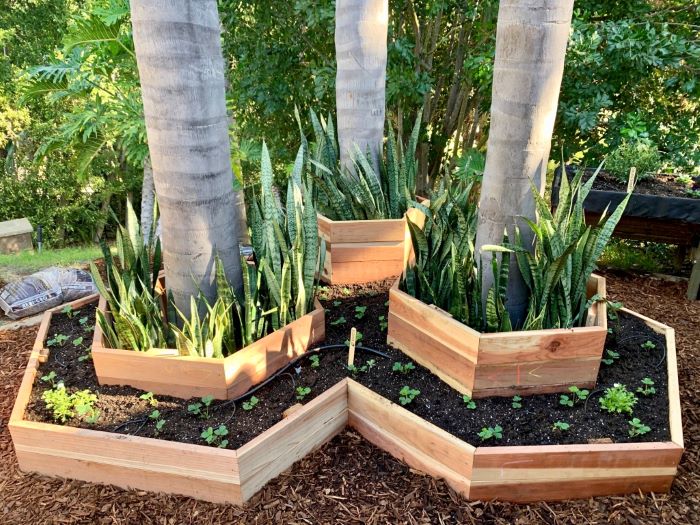
Let’s start at the very beginning, what exactly is a raised bed? Simply put, a raised bed is a prefabricated container that holds soil. These are often constructed from wood, concrete, metal, or stone. The variety of media available gives gardeners a customizable, unique way to showcase their work and offers flexible options to complement your garden’s aesthetic. Unlike a flat layer of plants in the ground, raised beds can be built with varying heights, sizes, colors, and shapes for a more diverse experience.
This CA Farm and Garden installation is a great example of how raised beds can maximize your available space. These unique beds are filled with both edible and drought-resistant plants. Photography Courtesy California Farm and Garden.
Raised bed gardens can provide abundant yields, as these beds teem with organic vegetables and pollinator plants.
More importantly, raised beds give gardeners an excellent opportunity to achieve immediate and long-lasting edible results. Fill raised beds with new, organic soil teeming with beneficial microbial life, and mix in a custom blend of amendments to establish your plants in a healthy environment from the get-go. You won’t be wasting time wondering if the soil is too sandy, too overworked, or too rootbound, and you won’t have to put together a multi-year plan to regenerate the soil. Raised beds give you full control over the soil environment your veggies and herbs will be living in.
They also offer the ideal setting for water-conscious irrigation, such as pressurized drip or micro-sprayers. Although raised beds typically don’t have bottoms, they can use water more efficiently than in-ground beds. The new, healthy soil installed in the beds on a (presumably) flat, level surface promotes hydration and prevents unnecessary runoff.
An added bonus of using drip and micro-irrigation in a raised bed is weed prevention. By irrigating only specific areas, you’re saving water and making it harder for weeds to sprout.
Raised beds also support a wider variety of critter-control options. From lining the bottom of the beds to keep gophers out, to building removable cages on top to keep even the most motivated ground squirrel at bay, critter control should play a significant role in your planning.
Don’t forget about fido—building taller raised beds or installing low fencing in the beds can keep your pooch from having more fun in the garden than you!
Finally, there’s the matter of convenience. Have a bad back? Install a taller raised bed (or a bed on legs) so you don’t have to bend over. Thinking about moving in the next few years? With proper planning, you can even take a raised bed garden with you.
Cons of Raised Beds
If initial startup costs are a concern, you might want to reconsider raised beds. Whether you’re building them yourself, purchasing prefabricated beds, or hiring a licensed contractor like California Farm and Garden, raised beds can range in price from a few hundred dollars to thousands to establish.
In addition to the costs of different materials for raised beds, it’s important to consider how the materials were produced. Being exposed to the elements for years can cause chemicals and other toxins from your raised bed to leach into the soil, potentially causing unforeseen, potentially harmful effects on your soil, plants, and family. Common sources of toxins include pressure-treated wood and the use of sealant inside your bed. It’s important to consider the source for all aspects of your new garden, from your plants and seeds to the beds they call home.
Another possible downside? Depending on your available space, installing raised beds could actually reduce your plantable square footage. Factoring in the width of the wood, pathways for accessibility, proximity to walls, and more can limit your raised bed and space options.
They’re also not suitable for all fruits and vegetables. Depending on the size and depth of your raised beds, they’re often not ideal for plants like fruit trees or fruiting vines. Creating shallow raised beds can hinder root growth and options to plant root crops too.
Lastly, it’s important to remember that many common raised bed materials have lifespans. Weighing the values of aesthetics, cost, space, and lifespan can all play a role in deciding if a raised bed is the right choice for your new garden.
Pros of In-Ground Beds
Costs associated with starting a new home garden directly in the ground can be significantly lower than those of raised beds. Often, some infrastructure is already in place (like irrigation), and if you’re especially lucky, you might discover rich, fertile soil perfect for growing crops already existing on your property.Planting in-ground can offer a more natural aesthetic, especially if you elect to plant something like a food forest as opposed to neat rows of vegetables. Because you can take advantage of existing odd shapes and lines around your property, chances are planting in-ground will provide more plantable square feet than raised beds. You also have the opportunity to plant larger edibles like fruit trees who enjoy the root space!
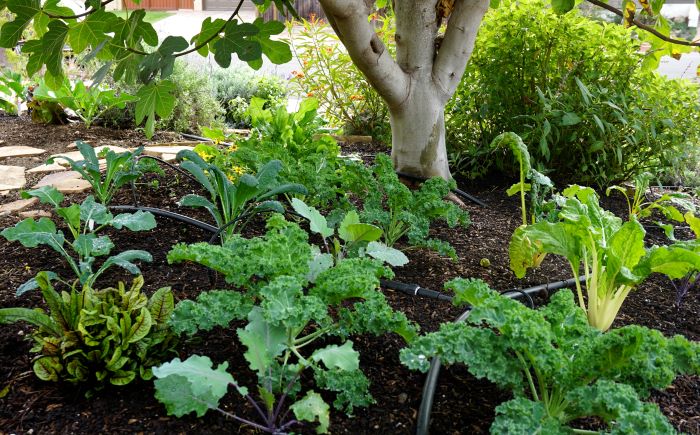
This lovely food forest is a great example of in-ground gardening done right, with delicious greens happily growing out of expertly amended soil.
If your property doesn’t naturally have rich soil, consider planting in-ground to regenerate poor soil. Cultivating organic fertilizers and amendments can turn “dirt” into healthy, loamy soil. Fungi, bacteria, insects, worms, and more will all benefit from a healthy, vibrant hyperlocal ecosystem.
Depending on your vision and budget, in-ground beds can certainly provide a realistic way to get your garden started quickly and beautifully.
Cons of In-Ground Beds
Installing your fruits and vegetables in the ground can pose a number of challenges, especially for newer gardeners. If you’ve drawn the short straw and discover the soil around your home is too sandy, has too much clay, or maybe it’s fill dirt from recent construction, it can take years to regenerate health. While you might find your garden still produces, seeing unhealthy plants and low production numbers can certainly be disheartening.
Dealing with unwelcome gleaners can become especially challenging when relying on in-ground beds. Gophers can sneak in from below; possums, skunks, and rabbits can climb or hop over short fencing; and birds can swoop down from above. While each neighborhood has a diverse and unique ecosystem, chances are you’ll have to deal with critters like these in Southern California. Many of the solutions for protecting your in-ground beds won’t be all-encompassing, and they tend to be less aesthetically pleasing.
Speaking of aesthetics, it’s important to remember as a new gardener that you do get to make a choice based on wants for the actual appearance of your garden. Planting in-ground can result in a look that becomes a bit too farm-y for some, while others don’t like the oft-chaotic look of a food forest.
When choosing in-ground beds, keep your four-legged friends and potential critters in mind. One con is that they’ll have easy access to your edible garden.
Finally, it’s important to revisit convenience. In-ground gardening can be physically challenging and often requires time on your hands and knees to complete each project. Critter protection options for in-ground beds can also introduce additional obstacles.
Whether weighing options for a 21st-century victory garden or simply planning for a future where your outdoor space doubles as a grocery store, choosing the right way to plant a garden can be tricky. Do your research, set ambitious goals, and get your hands dirty. Both in-ground and raised beds may have their pros and cons, but at California Farm and Garden, we tend to think any edible garden lands in the pro column.
California Farm and Garden is a Southern California leader in the design, installation, and maintenance of edible gardens and orchards for homeowners, restaurants, corporate campuses, and more. With a team of dedicated experts and a focus on inspiring change in local and personal food systems, California Farm and Garden works to create a more sustainable and vibrant future for our communities.
The 2020 chapter about the revival of the American victory garden was one most of us didn’t see coming. As we’ve all hunkered down to ride out the pandemic, the idea of homegrown food has gone from romantic to downright pragmatic. While the catalyst for the rise in home gardening is undoubtedly different now from the 1940s, questions from new gardeners remain consistent.
What can I plant in my climate? Where can I find unique seeds? What type of irrigation is best?
As edible gardening experts, we’re no stranger to these questions. One of the most common queries we receive, and one of the most popular resources on our website, is where to plant your new garden. It’s a pretty literal question: where, as in, in the ground? Or in raised beds?
California Farm and Garden (formerly Urban Plantations) has essentially made a whole business out of answering this question for the last 12 years. The importance of adequate design and planning before installation is key to the success of each garden.
We’re here to shed some light on this age-old inquiry: should you plant your new vegetable and herb garden directly in the ground or in raised beds? Both options have their pros and cons of course, and the answer will vary based on your personal vision and goals for the garden, the available space, your budget, your health, and more.
Without further ado, the CA Farm and Garden guide for Southern California’s new home gardeners.
Pros of Raised Beds
Let’s start at the very beginning, what exactly is a raised bed? Simply put, a raised bed is any type of prefabricated container that can hold soil. These are often made using wood, concrete, metal, or stonework. The variety of mediums available give gardeners a customizable and unique way to display their proud work and offers flexible options to compliment your garden’s aesthetic. As opposed to a flat layer of plants in the ground, raised beds can be installed with different heights, sizes, colors, and shapes for a multidimensional experience.
It wasn’t inevitable, but it sure is a good fit.
Katie Stokes brings a love of family, nature, gardening, cooking, animals, reading and travel to her leadership of Edible San Diego.
STAY IN TOUCH
JOIN FOR FREE
Your go-to resource for sustainable living—recipes for cooking at home, gardening, and discovering the exceptional flavors of San Diego