


Edible San Diego

Winter Superfoods

ad-1

Attractions

ad-1
ad-1
ad-1
ad-1
image_1

Photography by Jen Lo for Edible San Diego

5 cool crops that are good for you to eat right now

__wf_reserved_inherit

Close your eyes and picture your favorite food-related memory—this could be anything from growing food at home or in a garden to a farmers’ market experience, a homemade meal, a picnic, or an unforgettable restaurant experience. What comes up for you? The surroundings, the visuals, the flavors, the smells, the company, or something else?

With that vision in mind, I welcome you to reconnect to your food through seasonal bounty. Over the next four issues, I aspire to encourage you to discover how delicious these simple, seasonal ingredients are and learn how to best prepare them for optimal health benefits. I am Dr. Sabrina Falquier, a culinary medicine physician and the founder and owner of Sensations Salud®. My mission is to empower people to better health through nutritional knowledge and culinary literacy.

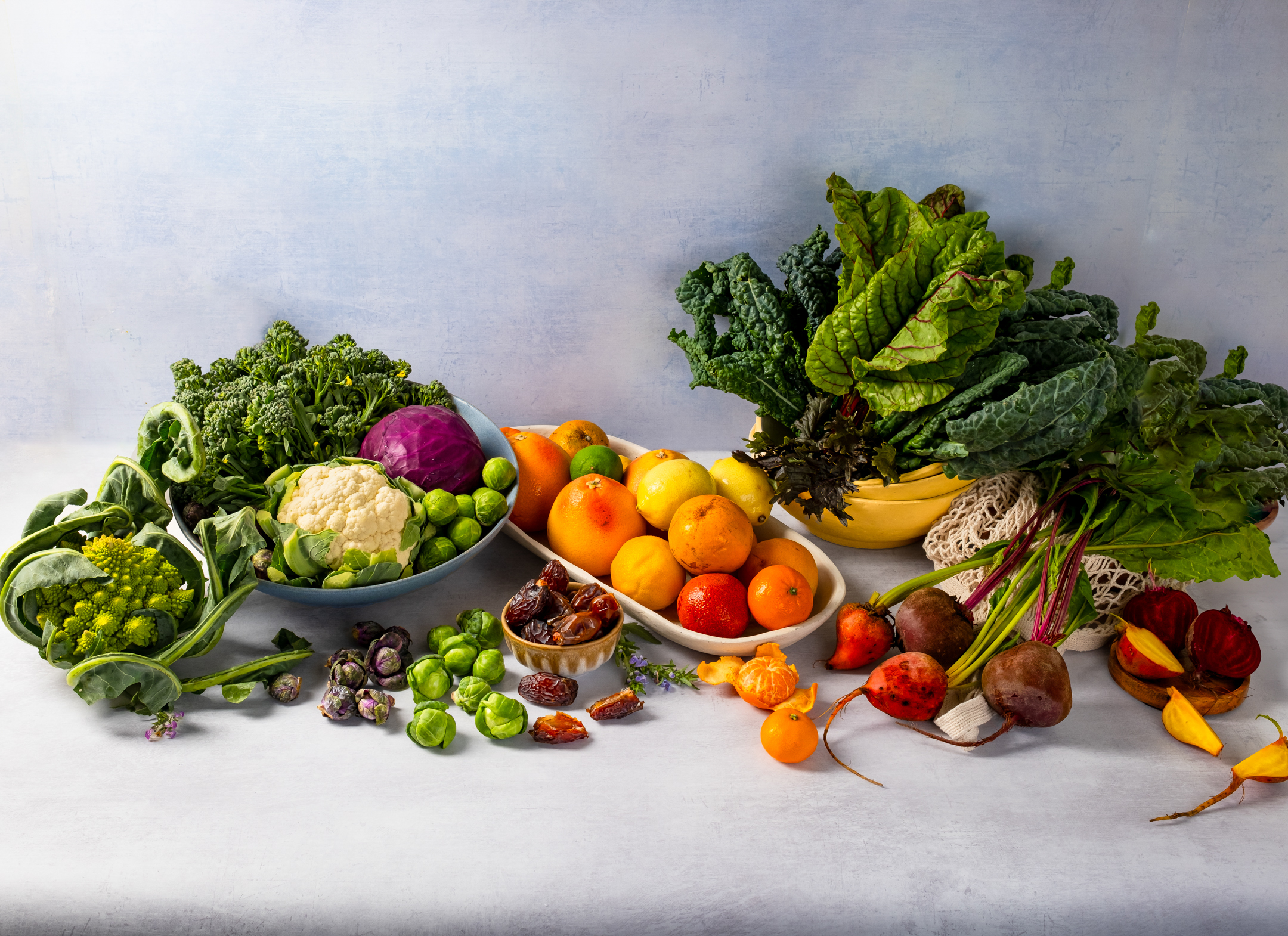
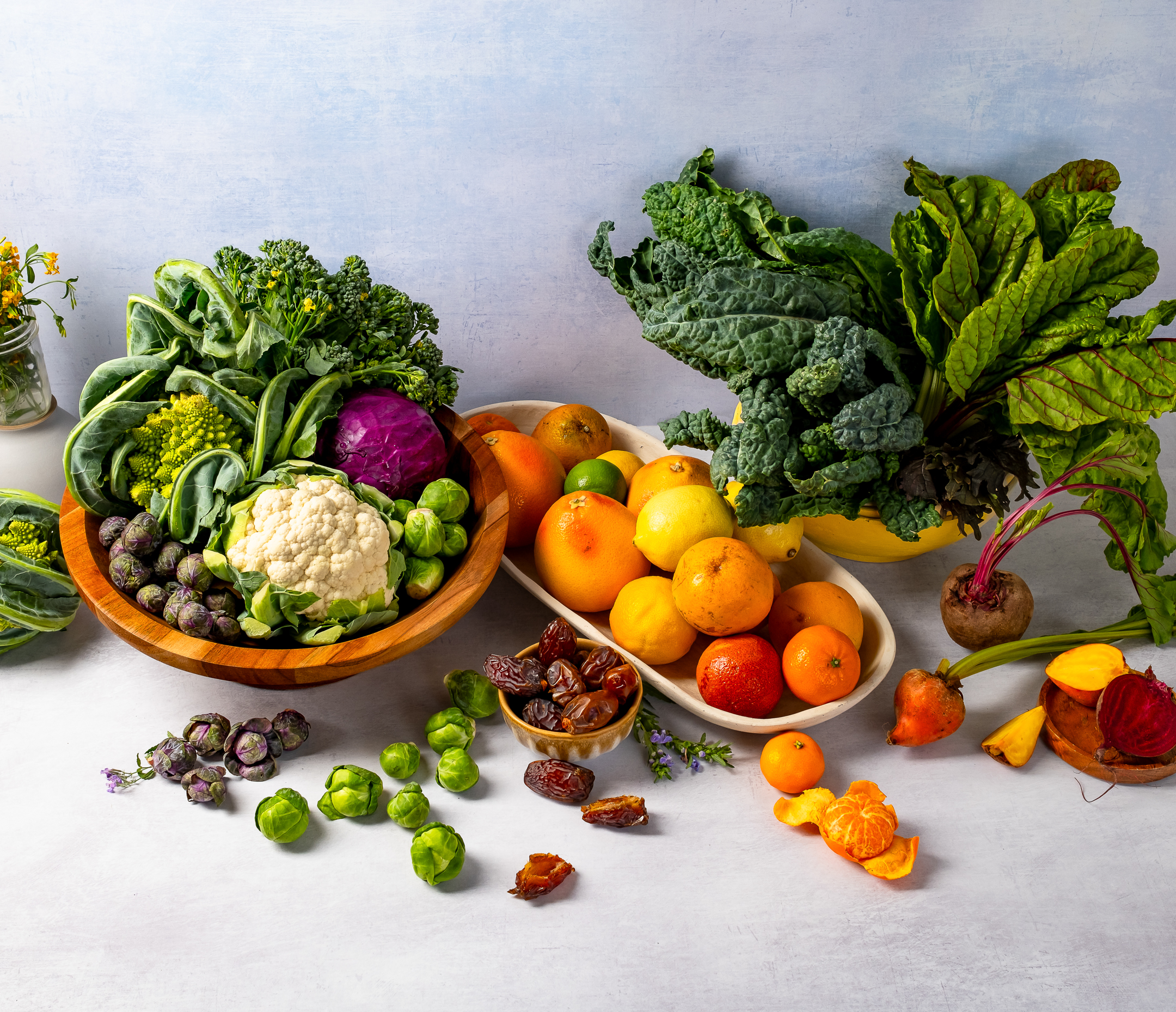
To begin, know that anytime you eat or prepare food with ingredients as close to the way nature intended, you are moving your needle towards greater health. The foods that the earth gives us are by their very nature superfoods, meaning they are packed with nutrients and antioxidants that our body needs to scavenge free radicals daily and reduce our risk for chronic diseases. For this winter season in San Diego, let’s explore the benefits of dark leafy greens, citrus, beets, dates, and cruciferous vegetables.

Until next time, salud and bon appétit.

Disclaimer: This article is for informational purposes only and should not replace recommendations given by your medical team.
__wf_reserved_inherit

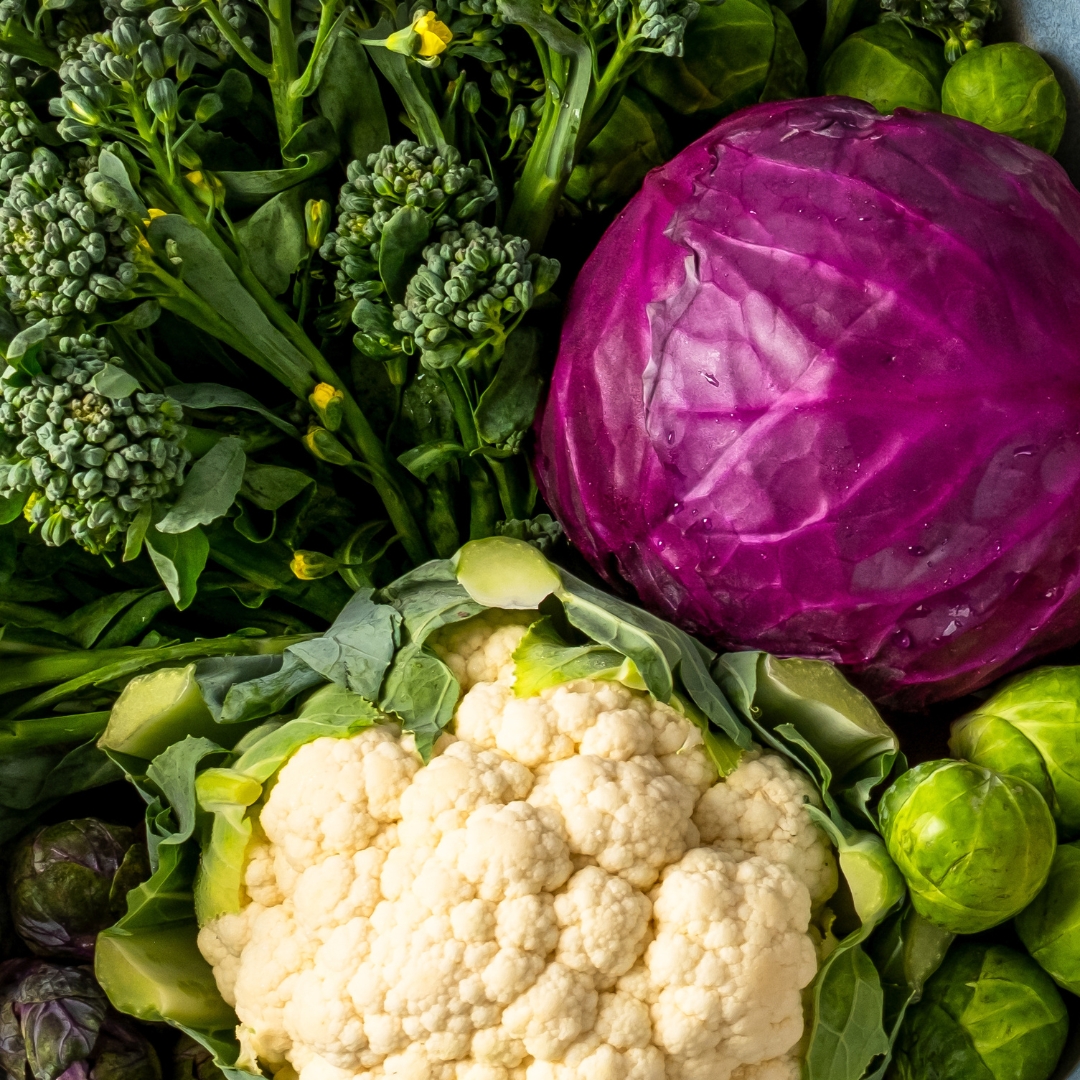
1. Cruciferous vegetables

Cruciferous vegetables include some dark leafy greens, yet here I’m highlighting cauliflower, cabbage, Brussels sprouts, and broccoli. They contain glucosinolates, which gives them their bitter flavor. These compounds have strong anti-inflammatory properties as well as powerful antioxidants. Cruciferous vegetables can be prepared in any form, but roasting has converted many adults and children I have worked with from reluctant cruciferous vegetable eaters into cravers! To roast, simply rough chop your chosen cruciferous vegetable, place in a single layer on a baking sheet, and drizzle with 1⁄2 a teaspoon of olive oil and a sprinkle of salt. Roast at 400° for 10 to 20 minutes depending on the vegetable and size of cut.
__wf_reserved_inherit

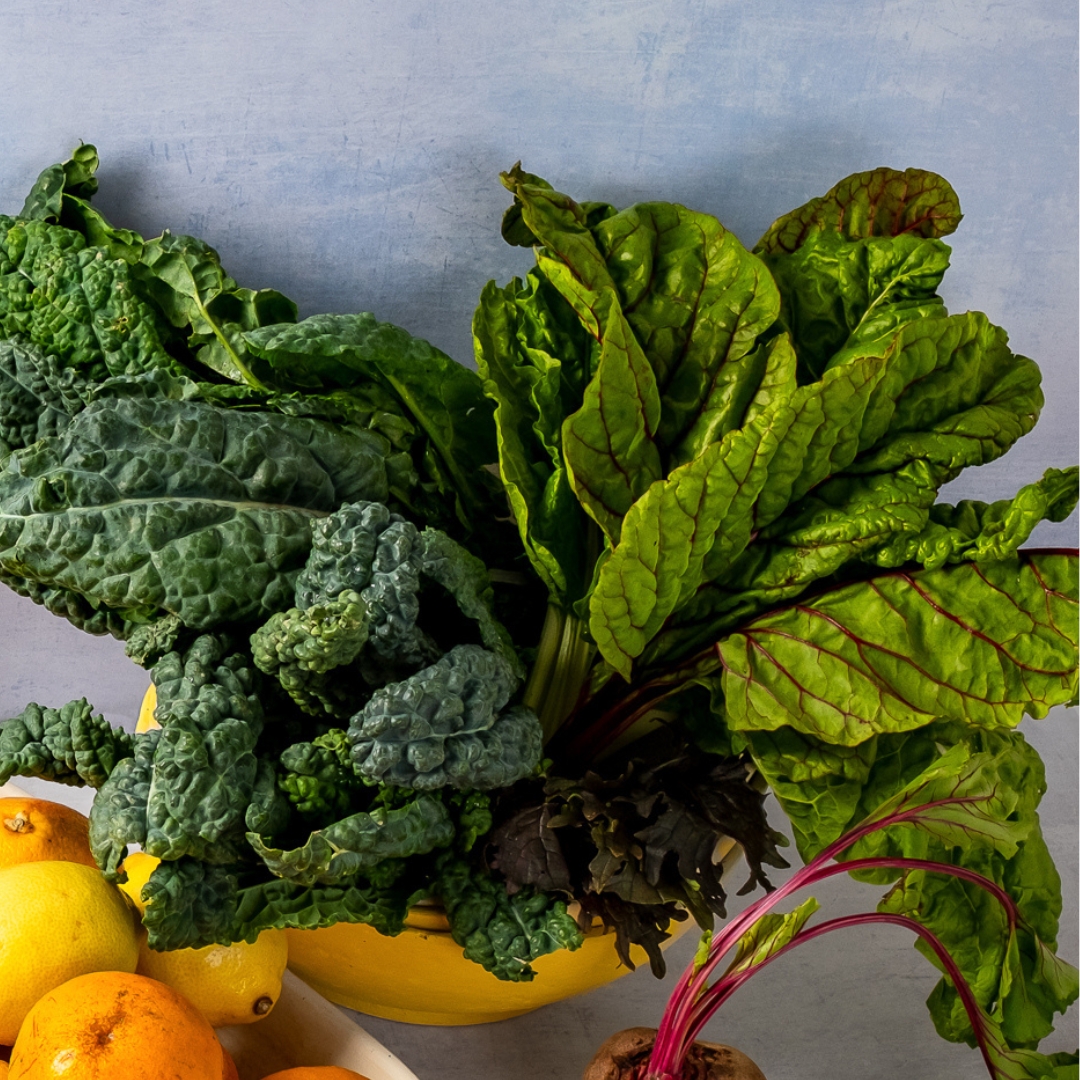
2. Dark leafy greens

Dark leafy greens such as kale, collard greens, chard, beet greens, and spinach are the most nutrient-dense of all vegetables. They contain non-heme iron, which can be absorbed when combined with foods that are loaded with vitamin C (like citrus). Prepare dark leafy greens in your favorite way—raw, sautéed, or roasted—and add citrus at the very end. Waiting until the greens are cooked will prevent the degradation of vitamin C, and the acidity from the citrus will help to neutralize any bitterness from the greens.
__wf_reserved_inherit

3. Citrus

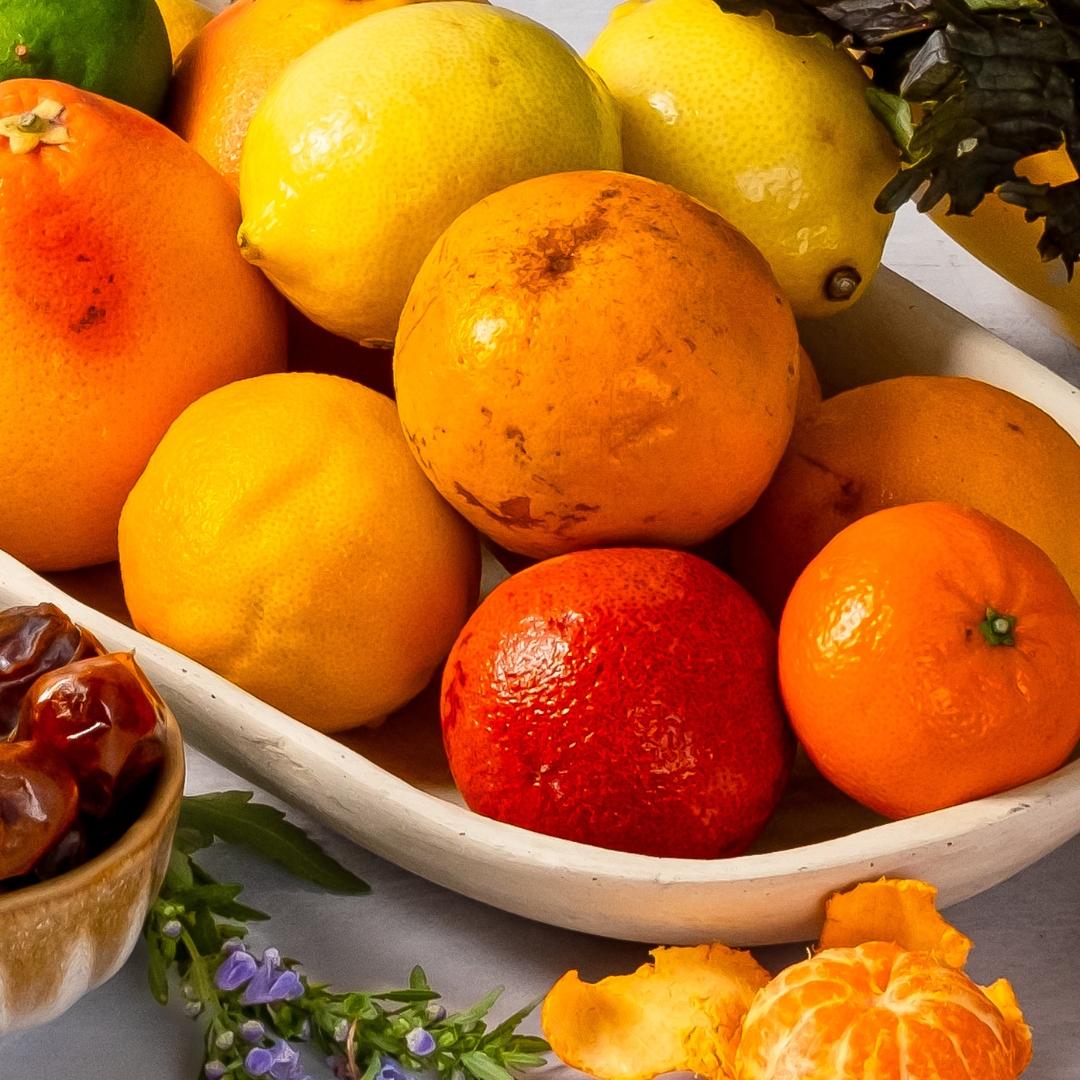
Citrus thrives in this cool season. Oranges, lemons, limes, calamondins (calamansi), kumquats, grapefruits, and more are loaded with vitamin C, a potent antioxidant. The key here is peeling and using the entire fruit, rather than juicing. This way, the fiber of the whole fruit is retained along with all the vitamins, helping regulate the natural sugar in the fruit itself. Eat citrus fruits raw in smoothies, slivers, or slices.
__wf_reserved_inherit

4. Beets

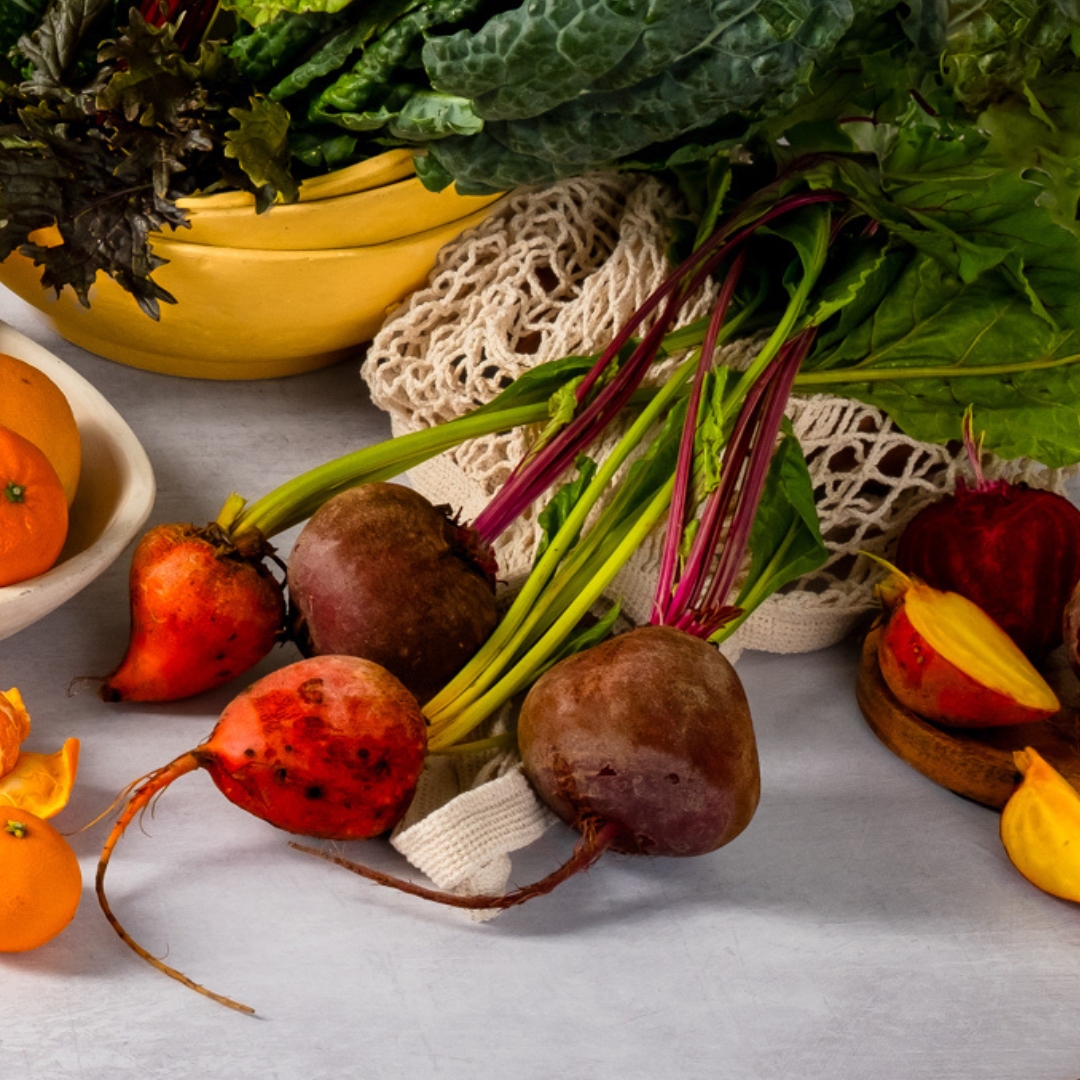
Beets are entirely edible from the beetroot to the stem and greens. All beets contain betalains with potent anti-inflammatory and antioxidant properties. They also contain naturally occurring nitrates that the body converts to nitric oxide, which increases blood flow and can also lower blood pressure and improve exercise performance. Different varieties of beets will have different flavor profiles, but all have the nutrient density desired. Beets can be eaten roasted or finely shaved and raw.
__wf_reserved_inherit

5. Dates

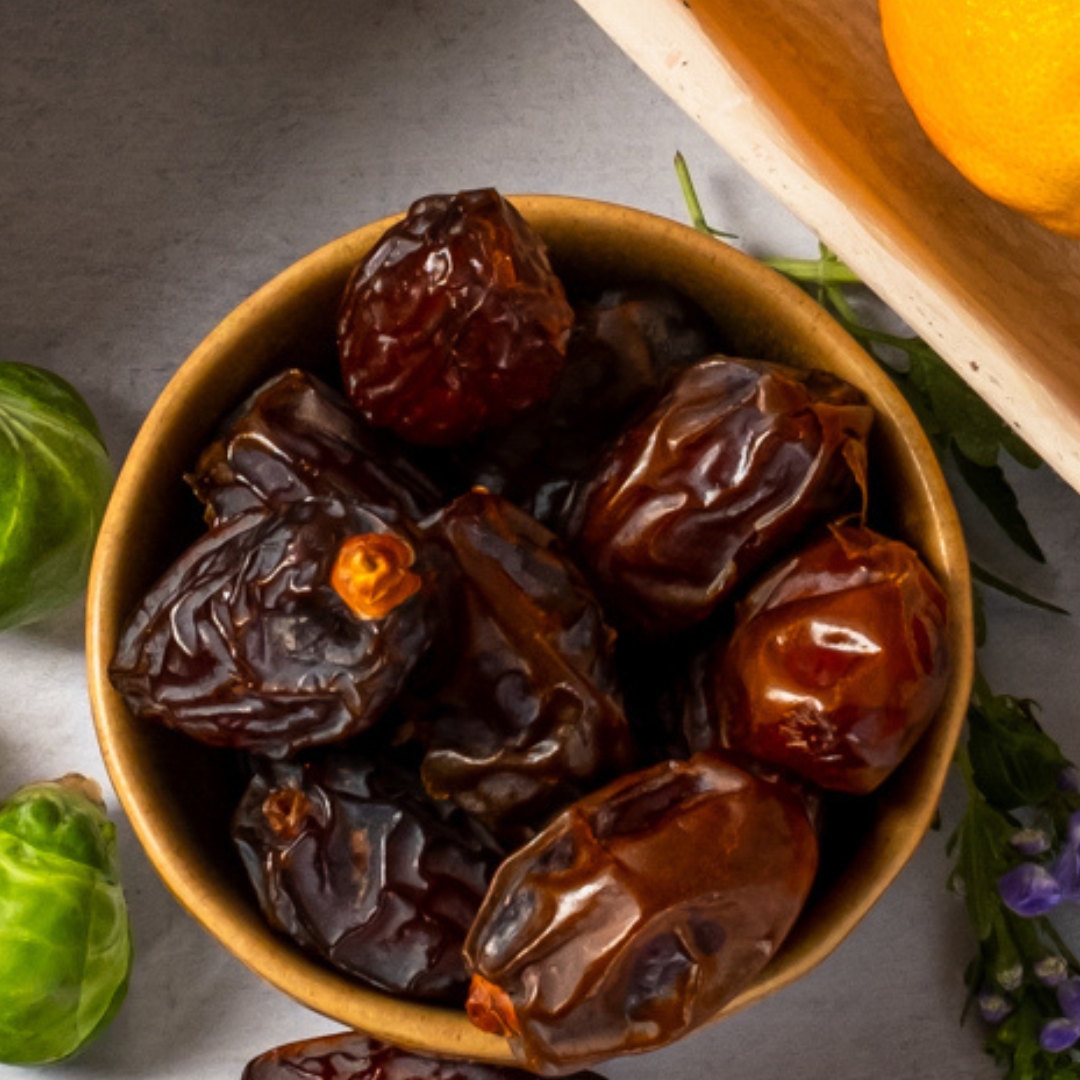
Dates are nature’s candy. They are sweet and high in fiber, which helps balance the natural sugar (like eating any whole fruit). They are also completely unprocessed. Enjoy dates as a snack or dessert or make a date paste simply by pitting and stewing them in a small amount of water until they soften, and then blend in a high-speed blender until smooth. Store in a container with a well-fitted lid in the refrigerator for up to three months. Date paste can be used in any item where you’d like added sweetness—from smoothies to energy bars to baking, and even your favorite beverage.

Originally published in issue 76.

__wf_reserved_inherit
Cover image by Jen Lo for Edible San Diego.

contributor17316

Dr. Sabrina A. Falquier

Dr. Falquier is triple board-certified in internal medicine, culinary medicine, and lifestyle medicine. She is bilingual and multicultural, born and raised in Mexico City to Swiss and American parents. Dr. Falquier worked as a primary care physician for over 15 years and, in 2020, founded Sensations Salud, which focuses on empowering people through nutritional knowledge and culinary literacy through culinary medicine education and consulting. She serves on the board and as the culinary medicine consultant for TKC Organizational Member – Olivewood Gardens and Learning Center (OWG) and promotes culinary medicine throughout San Diego and internationally in varied ways and to incredibly varied audiences including holding teaching positions at three universities. She is the proud host of the Culinary Medicine Recipe/Medicina Culinaria podcast that is available in both English and Spanish. Her work can be seen through the powerful documentary: The Kitchenistas. Additionally, she has won numerous awards, has been interviewed by multiple media outlets about food and health, and is an ongoing contributing author for Edible San Diego. (San Diego, CA)

__wf_reserved_inherit

Close your eyes and picture your favorite food-related memory—this could be anything from growing food at home or in a garden to a farmers’ market experience, a homemade meal, a picnic, or an unforgettable restaurant experience. What comes up for you? The surroundings, the visuals, the flavors, the smells, the company, or something else?

With that vision in mind, I welcome you to reconnect to your food through seasonal bounty. Over the next four issues, I aspire to encourage you to discover how delicious these simple, seasonal ingredients are and learn how to best prepare them for optimal health benefits. I am Dr. Sabrina Falquier, a culinary medicine physician and the founder and owner of Sensations Salud®. My mission is to empower people to better health through nutritional knowledge and culinary literacy.

To begin, know that anytime you eat or prepare food with ingredients as close to the way nature intended, you are moving your needle towards greater health. The foods that the earth gives us are by their very nature superfoods, meaning they are packed with nutrients and antioxidants that our body needs to scavenge free radicals daily and reduce our risk for chronic diseases. For this winter season in San Diego, let’s explore the benefits of dark leafy greens, citrus, beets, dates, and cruciferous vegetables.

Until next time, salud and bon appétit.

Disclaimer: This article is for informational purposes only and should not replace recommendations given by your medical team.

__wf_reserved_inherit

1. Cruciferous vegetables

Cruciferous vegetables include some dark leafy greens, yet here I’m highlighting cauliflower, cabbage, Brussels sprouts, and broccoli. They contain glucosinolates, which gives them their bitter flavor. These compounds have strong anti-inflammatory properties as well as powerful antioxidants. Cruciferous vegetables can be prepared in any form, but roasting has converted many adults and children I have worked with from reluctant cruciferous vegetable eaters into cravers! To roast, simply rough chop your chosen cruciferous vegetable, place in a single layer on a baking sheet, and drizzle with 1⁄2 a teaspoon of olive oil and a sprinkle of salt. Roast at 400° for 10 to 20 minutes depending on the vegetable and size of cut.

__wf_reserved_inherit

2. Dark leafy greens

Dark leafy greens such as kale, collard greens, chard, beet greens, and spinach are the most nutrient-dense of all vegetables. They contain non-heme iron, which can be absorbed when combined with foods that are loaded with vitamin C (like citrus). Prepare dark leafy greens in your favorite way—raw, sautéed, or roasted—and add citrus at the very end. Waiting until the greens are cooked will prevent the degradation of vitamin C, and the acidity from the citrus will help to neutralize any bitterness from the greens.

__wf_reserved_inherit

3. Citrus

Citrus thrives in this cool season. Oranges, lemons, limes, calamondins (calamansi), kumquats, grapefruits, and more are loaded with vitamin C, a potent antioxidant. The key here is peeling and using the entire fruit, rather than juicing. This way, the fiber of the whole fruit is retained along with all the vitamins, helping regulate the natural sugar in the fruit itself. Eat citrus fruits raw in smoothies, slivers, or slices.

__wf_reserved_inherit

4. Beets

Beets are entirely edible from the beetroot to the stem and greens. All beets contain betalains with potent anti-inflammatory and antioxidant properties. They also contain naturally occurring nitrates that the body converts to nitric oxide, which increases blood flow and can also lower blood pressure and improve exercise performance. Different varieties of beets will have different flavor profiles, but all have the nutrient density desired. Beets can be eaten roasted or finely shaved and raw.

__wf_reserved_inherit

5. Dates

Dates are nature’s candy. They are sweet and high in fiber, which helps balance the natural sugar (like eating any whole fruit). They are also completely unprocessed. Enjoy dates as a snack or dessert or make a date paste simply by pitting and stewing them in a small amount of water until they soften, and then blend in a high-speed blender until smooth. Store in a container with a well-fitted lid in the refrigerator for up to three months. Date paste can be used in any item where you’d like added sweetness—from smoothies to energy bars to baking and even your favorite beverage.

Originally published in issue 76.

__wf_reserved_inherit
Cover image by Jen Lo for Edible San Diego.