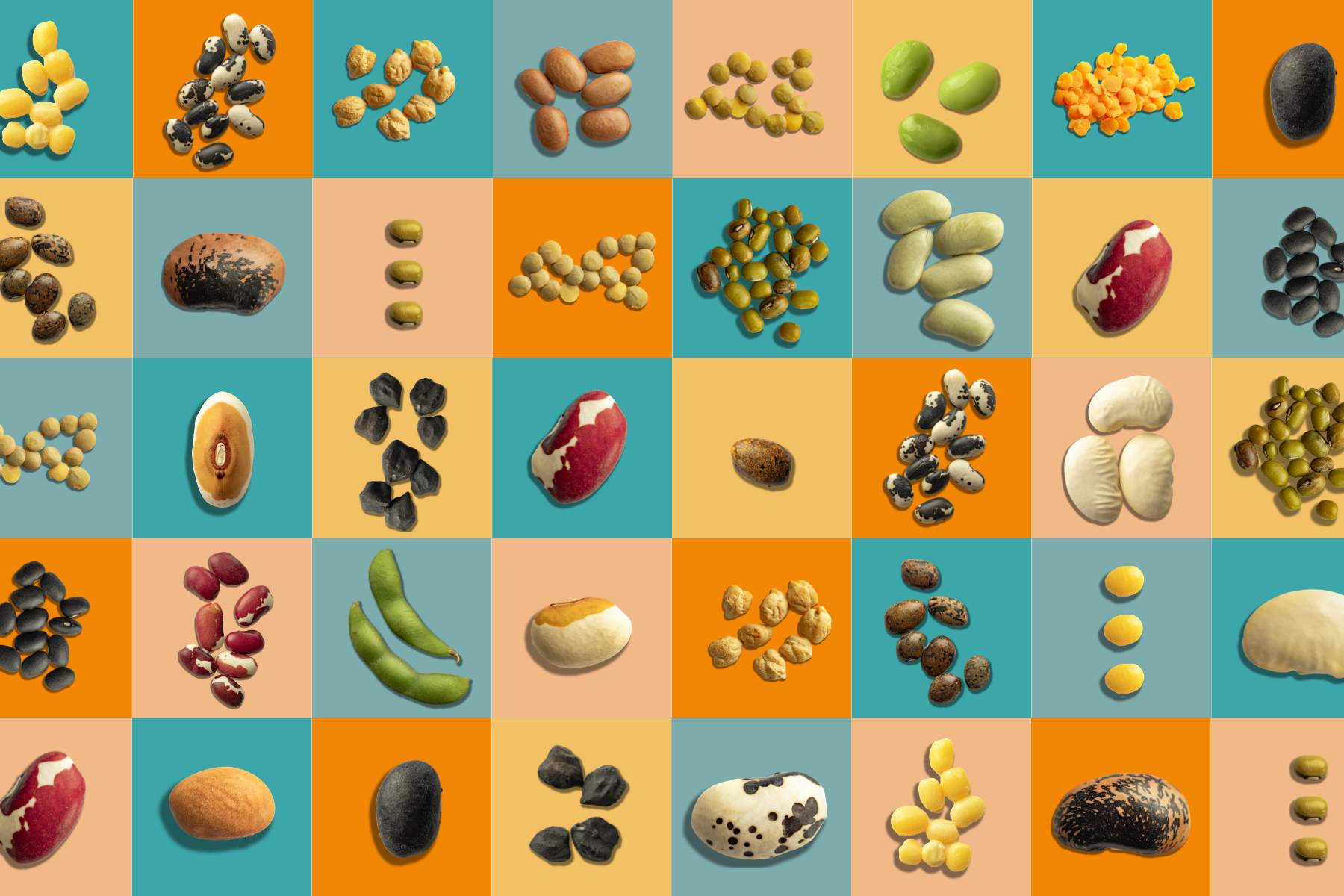
As summer unfolds and gardens fill with climbing vines, it’s the perfect moment to celebrate one of the most humble and powerful foods we have: beans and legumes. Grown and eaten around the world for centuries, beans offer comfort, nutrition, versatility, and a deep cultural connection.
WHICH LEGUME
Legumes include any plant that grows in a pod. Think beans, lentils, chickpeas, and edamame. In the United States, pinto beans are the most commonly eaten legume, with black beans coming in second. Globally, there are dozens of varieties, each with its own texture and culinary role.
Some cook quickly and require no soaking, such as lentils, while others, like dried beans, benefit from a longer cooking time. Part of the joy is discovering which ones fit your lifestyle and palate. From small lentils to large, creamy white beans, there’s a legume for every season and dish.
HOW TO USE THEM
Beans are one of the most versatile foods in the kitchen. Across many cultures, they are served alongside staple foods like grains, creating a complete, satisfying meal. Think of traditional dishes from Mexico, Costa Rica, or across the Mediterranean, spanning North Africa and the Middle East, with influences from Turkey, Lebanon, and Morocco.
Beans can be served simply, simmered with aromatics and olive oil, blended into soups like black bean soup, or formed into patties and fritters. They also work beautifully in blended burgers, where part of the meat is replaced with mashed or finely chopped beans to add moisture, fiber, and plant-based nutrients.
White beans, such as cannellini or Great Northern beans, are especially useful as a substitute for cream in soups and dressings, lending richness without heaviness. Beans also shine in dips and spreads, flavored with herbs, spices, citrus, and garlic.
Cooked beans keep well and are economical: A single pot can become several meals, and they freeze well for up to six months. For convenience, canned beans are a perfectly good option—just be sure to drain and rinse to reduce excess sodium.
WHY INCLUDE THEM
Beans are among the most affordable and environmentally friendly sources of protein available. They provide both protein and fiber in a naturally complete package—a whole food, just as nature designed—along with complex carbohydrates, minerals, and B vitamins, particularly folate, which plays an important role in overall health. Their high fiber content supports gut health by nourishing beneficial bacteria in the microbiome. For those not used to legumes, it’s normal to notice some digestive adjustment at first. Gradually increasing intake, staying well hydrated, and preparing beans properly can help improve tolerance. Consistent inclusion is key: Over time, the body adapts and the benefits compound.
WHY BRING THEM INTO YOUR KITCHEN
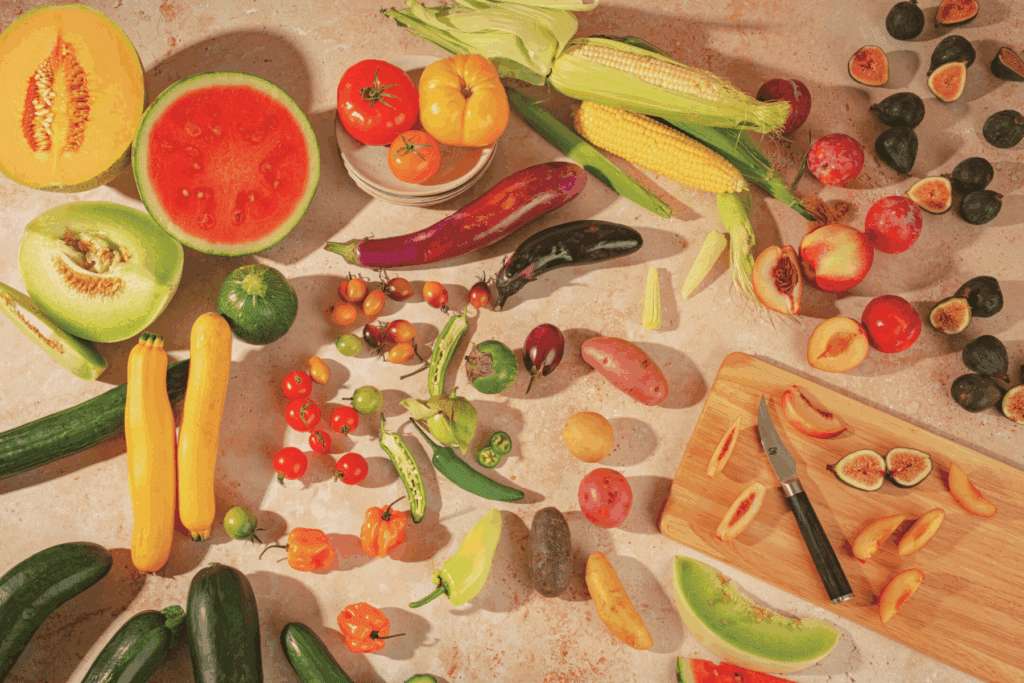
Beans invite exploration, creativity, and connection. If they feel intimidating, start with something familiar, perhaps a lentil dish that cooks in under 20 minutes or a bean-based dish you’ve enjoyed at a restaurant. Spices, herbs, and sauces add endless variety and keep meals exciting and personal. I often encourage people to try a bean outside their usual rotation. One of my favorites is a giant white bean tossed with a classic Greek salad of tomatoes, cucumbers, herbs, and plenty of olive oil. I first tasted this dish at a friend’s home on a hot, humid East Coast summer evening. We ate outside until a sudden downpour sent us scrambling indoors, laughing, plates in hand. The olive oil came from her family’s olive groves in Greece, making the meal even more meaningful.
I share this story because food is never just about nutrients; it’s about connection, memory, and shared experience. Beans, simple as they are, carry all of it.
¡Salud!
Legal disclaimer: Information in this article is for educational purposes only and should not replace individualized medical advice. Always consult your healthcare provider regarding personal health concerns.
STYLING: DR. SABRINA A. FALQUIER, HALEY HAZELL, MARIA HESSE, AND JEN LO.