




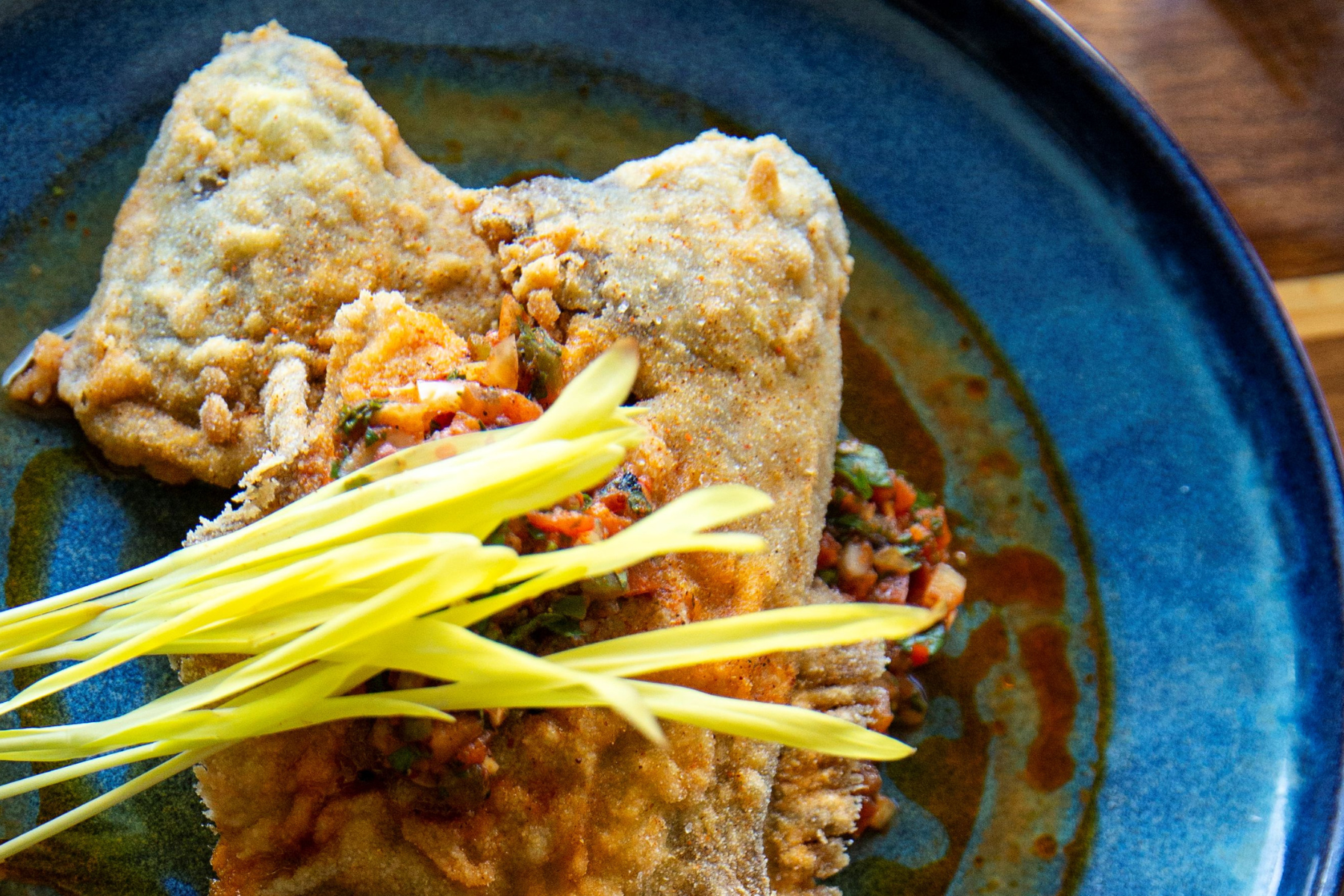
It seems simple. In seaside San Diego, seafood should be fresh and local. Yet despite an active commercial fishery and a wealth of edible species (have you tried blackgill rockfish?), only 14% of what restaurants serve in San Diego is caught locally. But more and more San Diego restaurants are overcoming obstacles to support hometown fishermen—it’s a bragging point on the menu. Seafood caught in waters off California cuts the carbon footprint, supports sustainable practices, builds the fishing industry, and keeps dollars local.
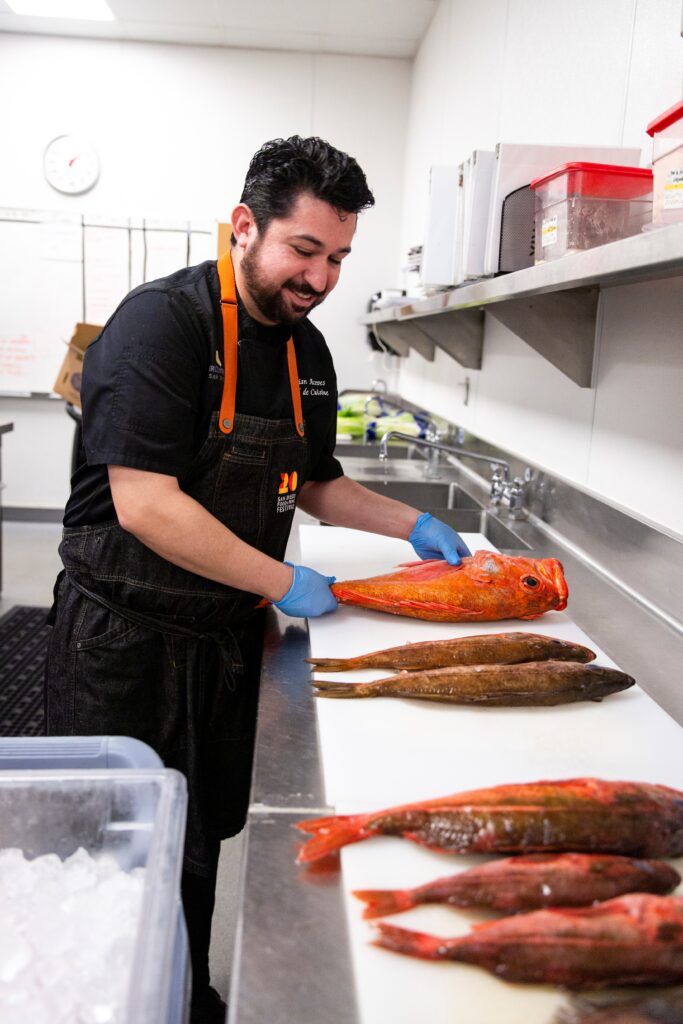
One major hurdle for fish going straight from boat to plate, says Tanner Saraspe, third-generation fisherwoman and founder of The Local Fish Project, is a tangled net of licensing regulations. Fishermen can’t sell cut and cleaned fish off the boat unless it’s direct to the ultimate consumer (like Tuna Harbor Dockside Market). Commercial cut fish for retail must be processed in an FDA-approved facility first, and, Saraspe says, that infrastructure is scarce in San Diego. If restaurants want to serve seafood bought directly from local fishermen, they must buy whole fish and break them down in the kitchen—a labor-intensive process that requires special skills not all cooks are trained for.
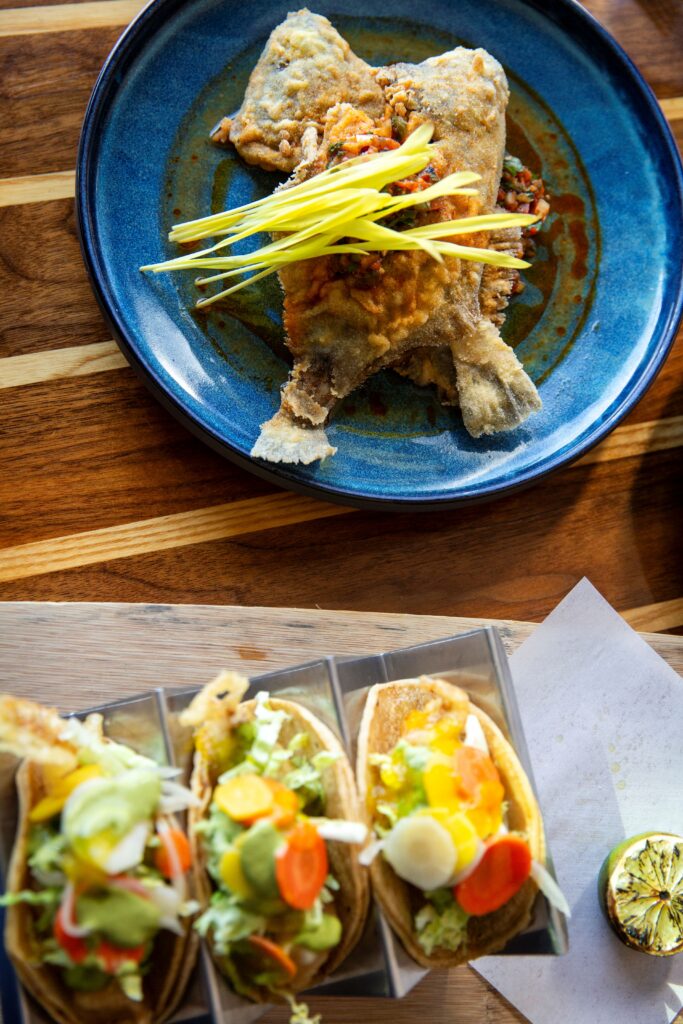
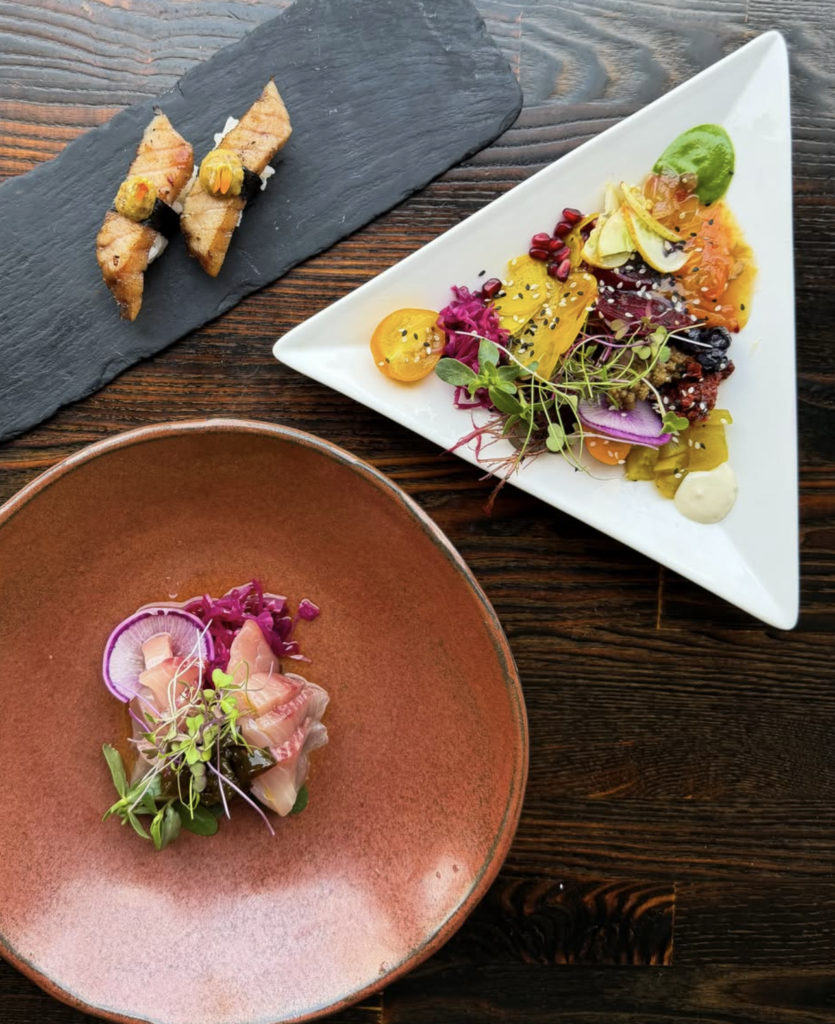
Chef Fabian Aceves honed his fish cleaning skills at Vistal Bar + Restaurant, overlooking San Diego Harbor at the Intercontinental Hotel, with a menu featuring what’s swimming right offshore: various rockfish species (yes, they’re different!), spiny lobster, swordfish, yellowtail, sheephead, white sea bass, and black cod—to name a few.
With a background in hotel kitchens, Aceves was “accustomed to preparing the same fish, the same way, like salmon,” before he teamed up with hotel manager Jeff Josenhaus (a spear fisherman himself) to develop unexpected preparations.
“We get ideas from Baja flavors,” Aceves says, “swordfish or sheephead al pastor, rockfish zarandeado, rockfish ceviche.”
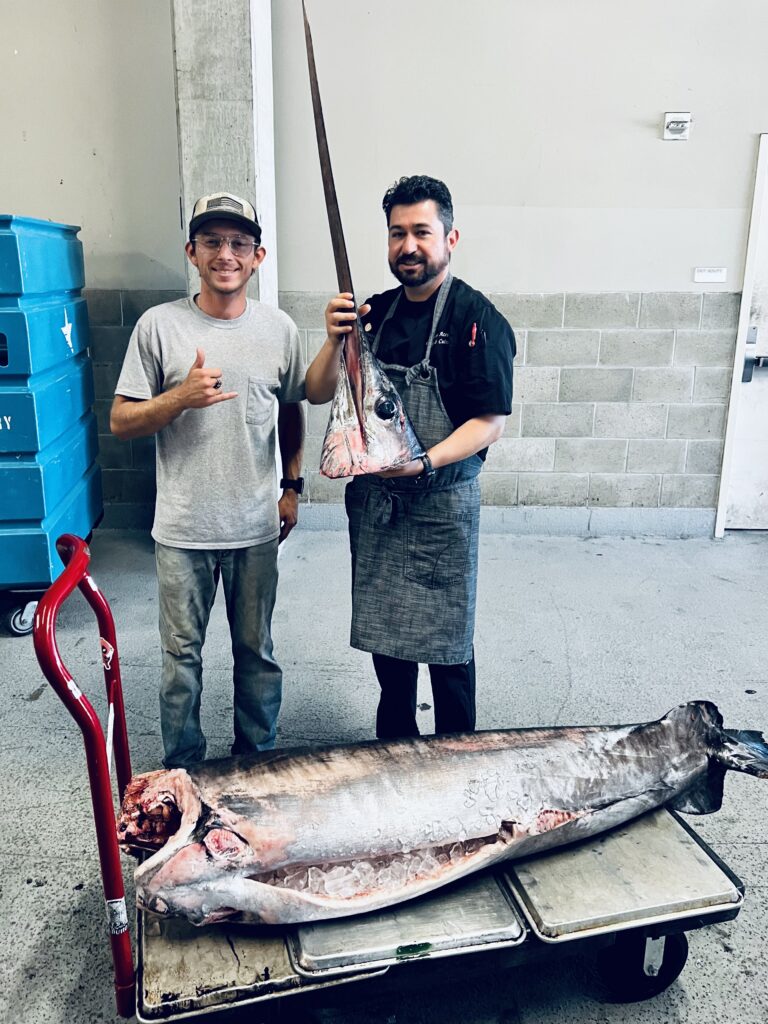
Vistal fosters direct relationships with local fishermen—Aceves even gets texts about what’s fresh off the boat. Mike Kowalski at Concha Seafood has rockfish; Shane’s Seafoods is known for mackerel; Ryan Sebo or Andrew Hemstreet call when they have a whole swordfish.
“The ocean is part of our identity in San Diego,” Josenhaus says. “We started educating our chefs and staff, connecting consumers to stories of fish in their environments. I think that creates engagement and makes our customers want to support the ocean in general.”
In 2024, Josenhaus began Behind the Catch, dinners showcasing all local marine-based ingredients paired with talks by ocean experts and fishing industry pros. One menu included white sea bass, squid ink risotto, uni foam, and bull kelp pickles. Another night it was swordfish bone marrow gazpacho and smoked swordfish collar ravioli, with Chula Seafoods on site to demonstrate how to go from whole swordfish to plated portions. (Check @vistalsd for upcoming dates.)
Another damper on local seafood is heavy reporting requirements—down to the exact location where each fish was caught, called the block number—that eat up a fisherman’s time and sanity. Commercial fishermen must also adhere to California’s stringent regulations, meant to maintain healthy marine populations. Unfortunately, explains Darian Schramm of Paramount Fish Co., San Diego fishermen compete with vessels from Mexico, bringing in the same fish but not under the same restrictions.
“It’s frustrating sometimes,” Schramm admits.
On his boat F/V Rebecca Jean, named for his mother, Schramm catches spiny lobster October through March. In warmer months, he loves to go deep for blackgill rockfish. “It’s not as well-known as bocaccio,” he explains, “and it lives at three times the depth.” To catch it, Schramm lowers his gear with multiple hooks, sets a buoy, and waits a while. He thinks it’s worth the wait.
“It has white flesh, fattier than vermilion, delicious just cooked in a pan with a little oil, salt, and pepper,” says Schramm, who’s seen chefs serve his blackgill as a whole fish, with its buggy eyes looking at you.
“It’s impressive to see.”
With unusually warm waters this year, chefs and fishermen are buzzing about the possibility of dorado—aka mahi mahi— swimming into San Diego. “It’s really rare to find local—usually it’s imported from South America,” Josenhaus says. Also look for local yellowtail (hint: it’s not tuna) in early summer, and California halibut later in the season.
21 places to dine on San Diego-caught seafood
In addition to dining destinations like Vistal, chefs at these restaurants* are committed to sourcing and serving local seafood.
Animae
969 Pacific Highway, San Diego
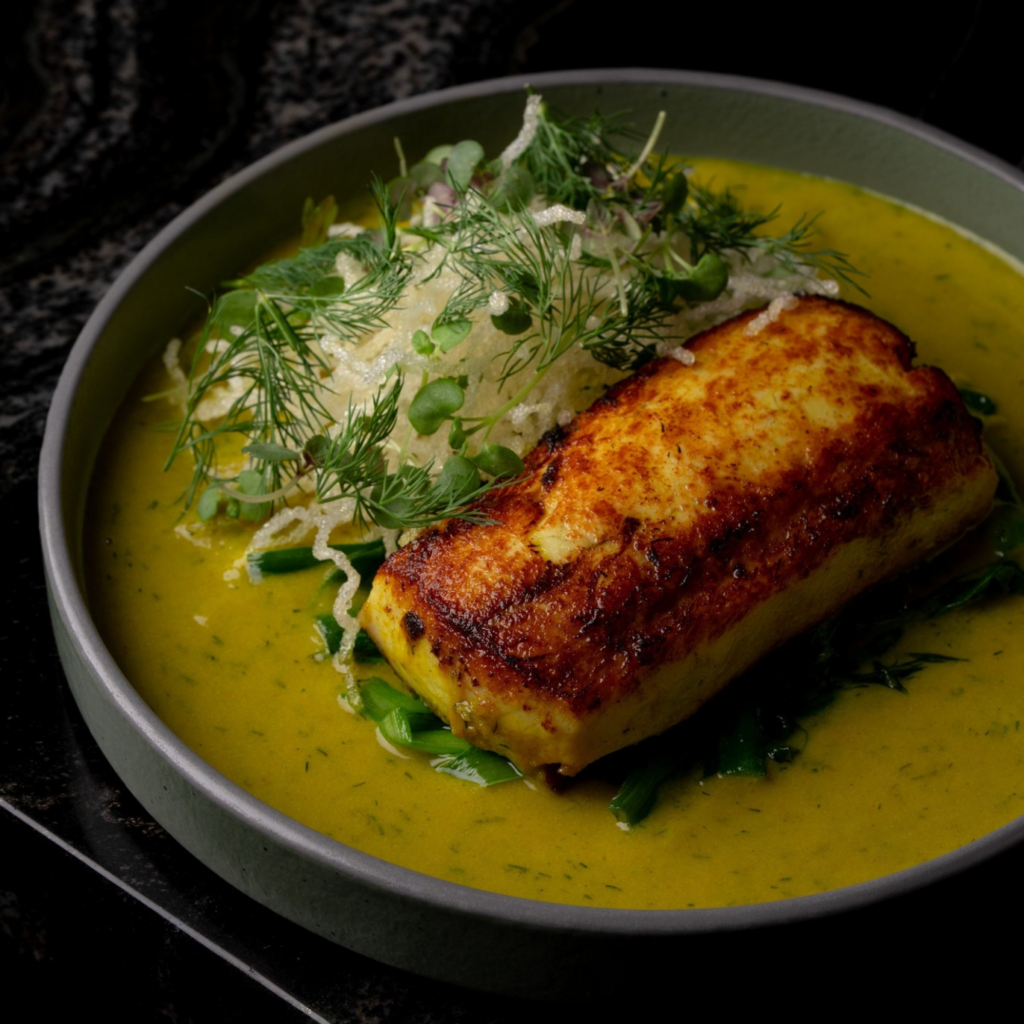
Campfire
2725 State St., Carlsbad
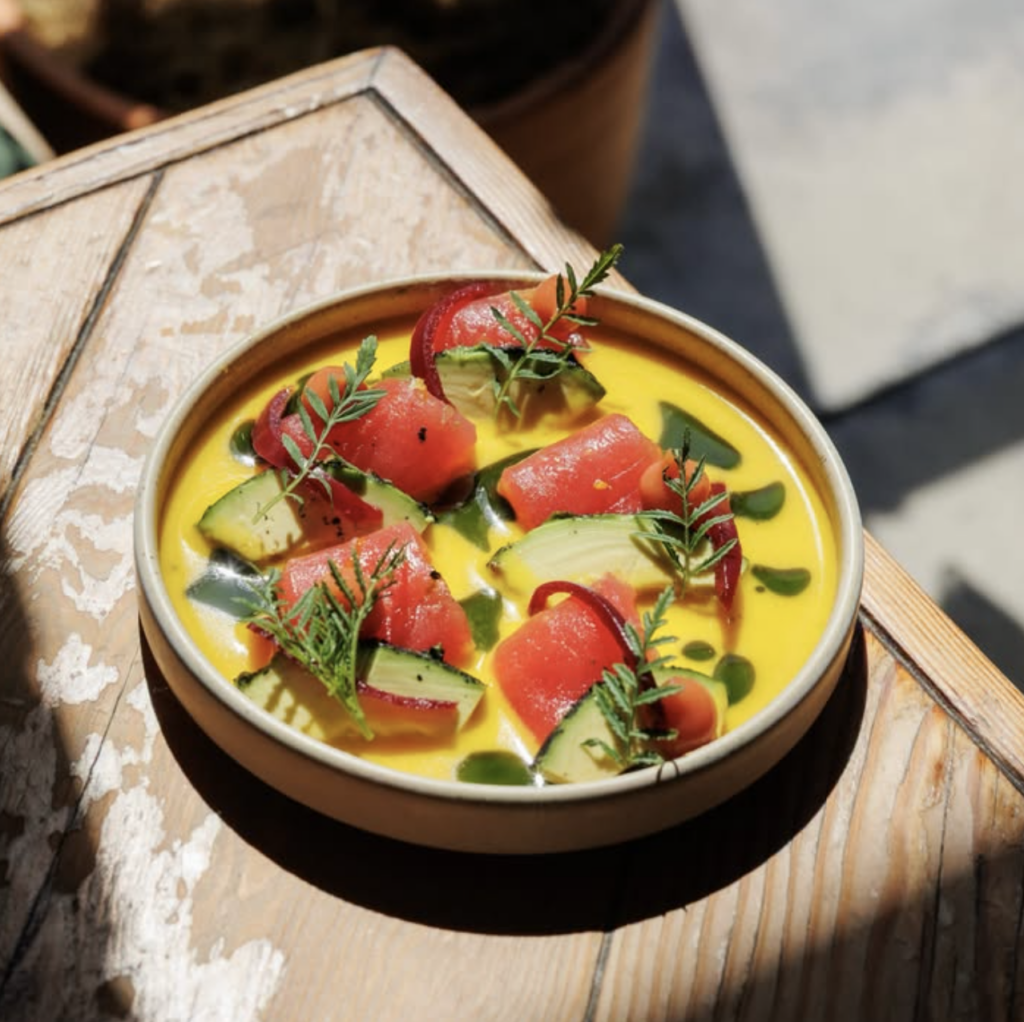
Callie
1195 Island Ave., San Diego
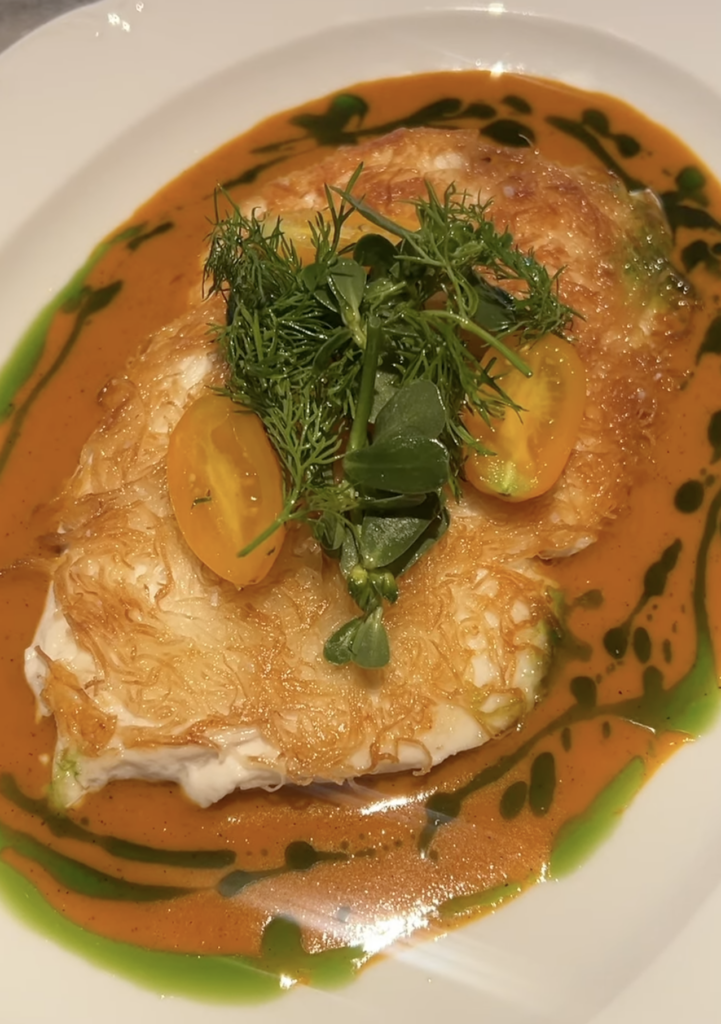
Cowboy Star
640 10th Ave., San Diego
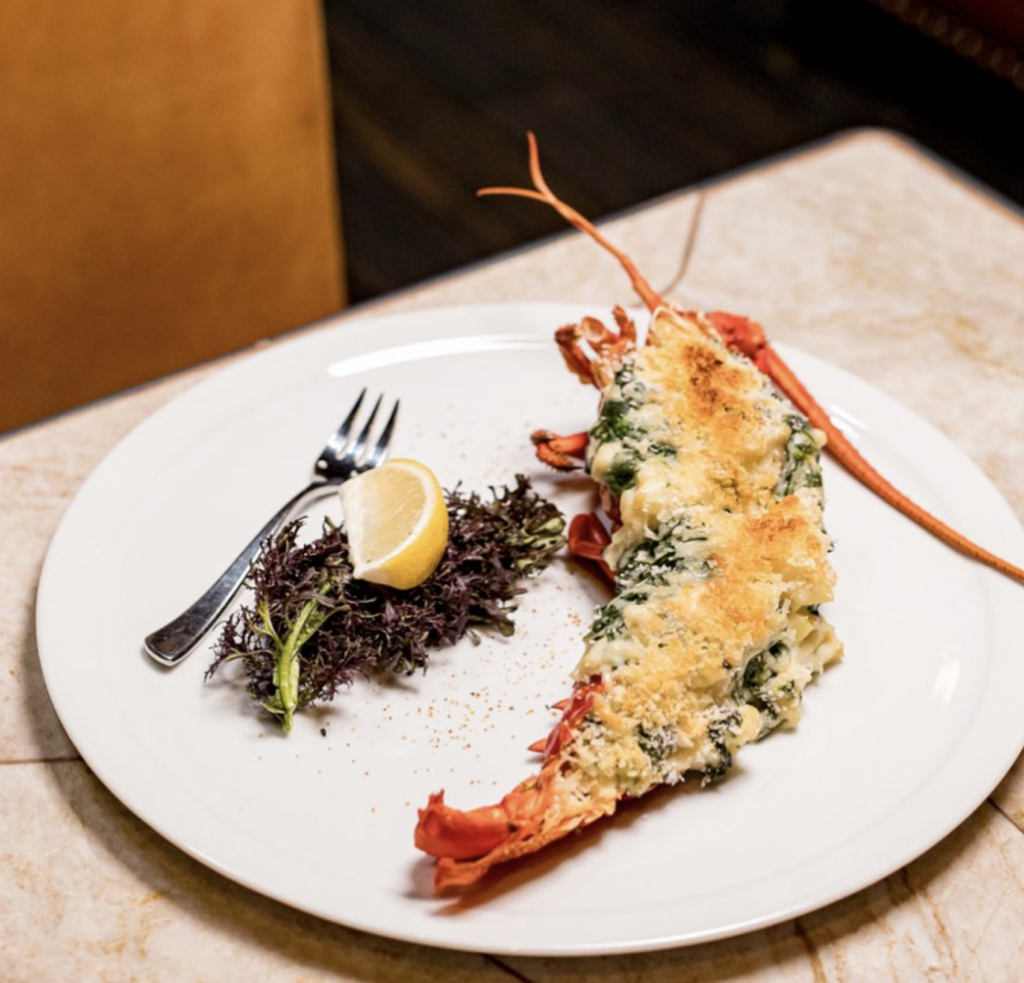
Dockside Fish
(weekly pop-up at Tuna Harbor Dockside Market)
598 Harbor Lane, San Diego
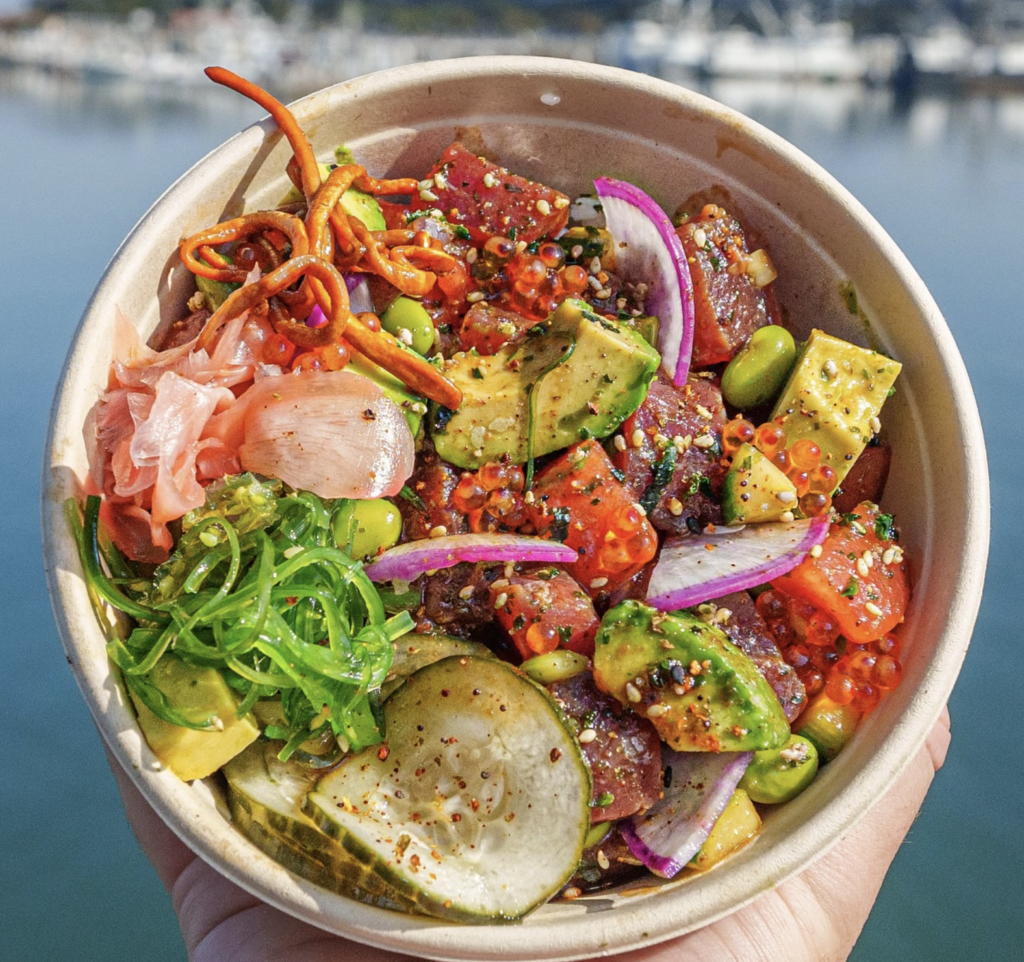
El Pescador
634 Pearl St., La Jolla
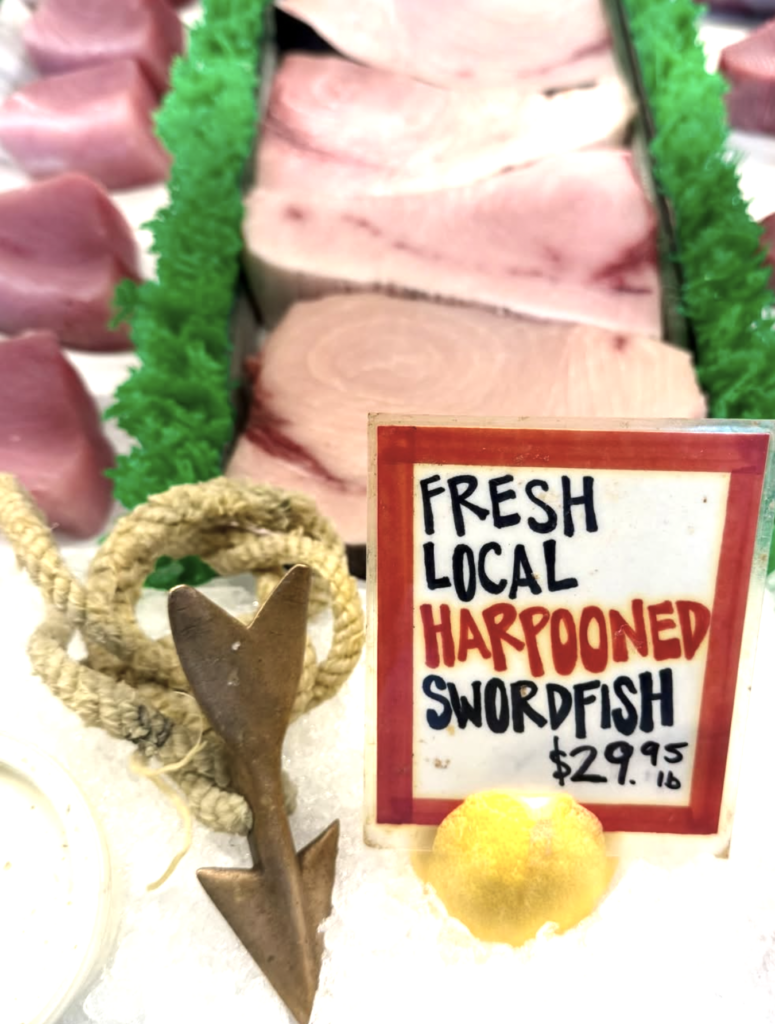
Fish 101
2101 San Elijo Ave., Cardiff and 1468 North Coast Highway 101, Encinitas
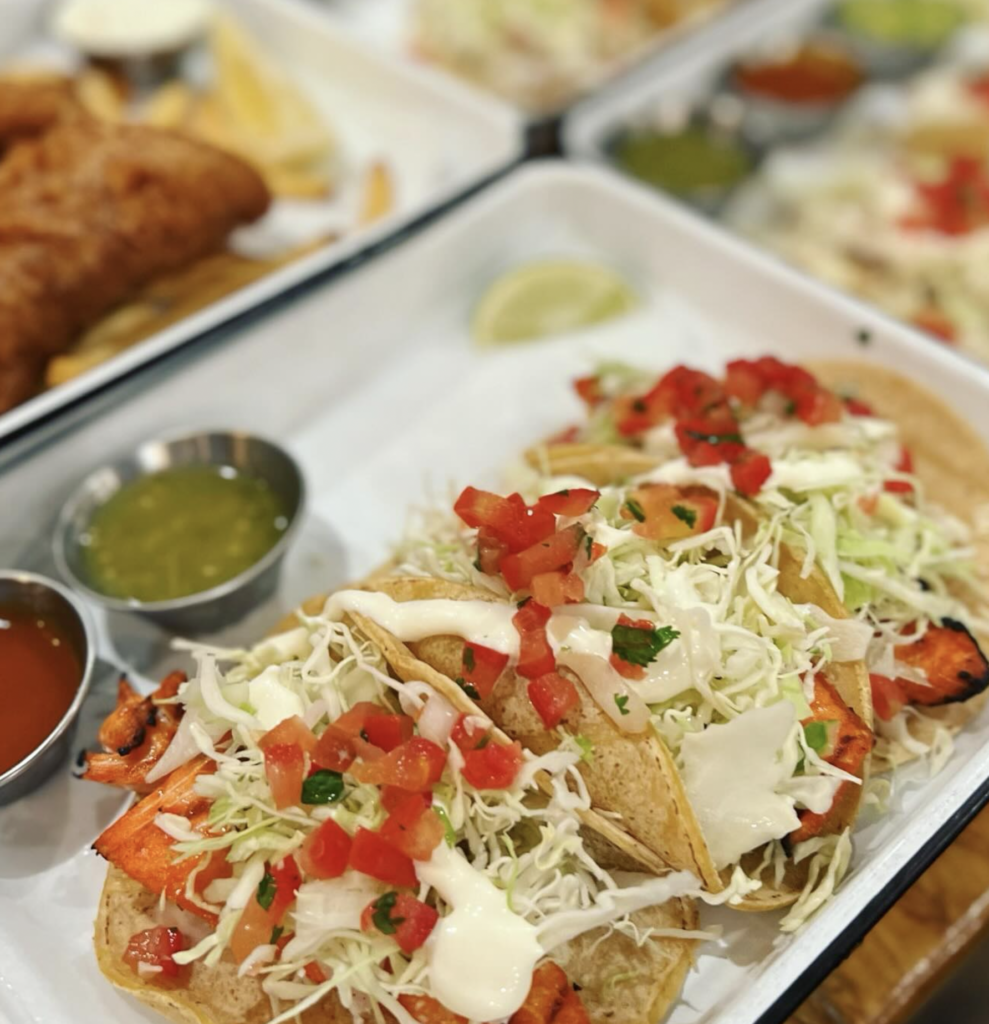
The Fishery
5040 Cass St., San Diego
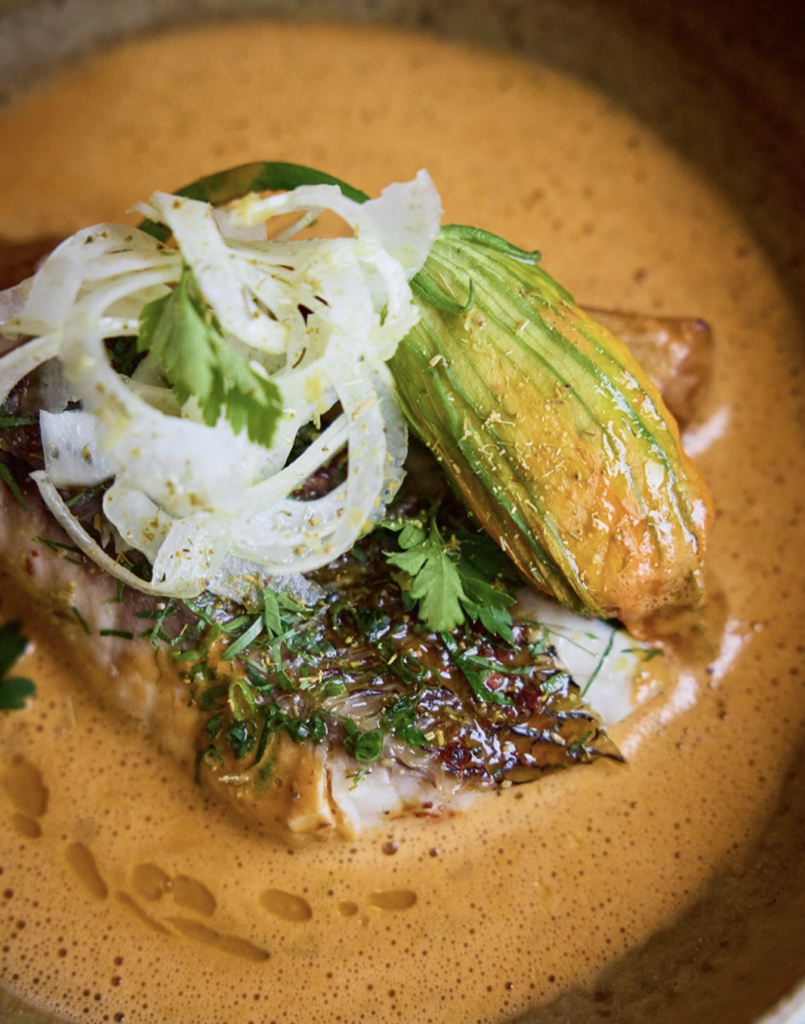
Fish Guts
2222 Logan Ave., San Diego
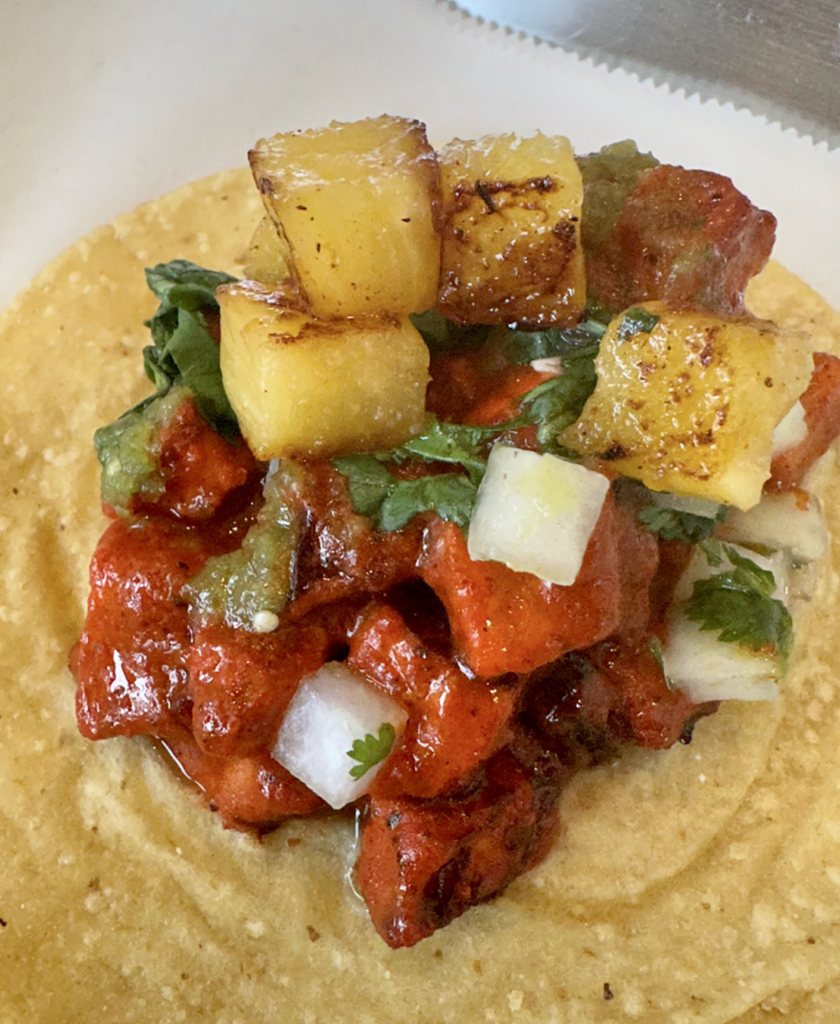
Glass Box
12841 El Camino Real, Ste. 203, San Diego
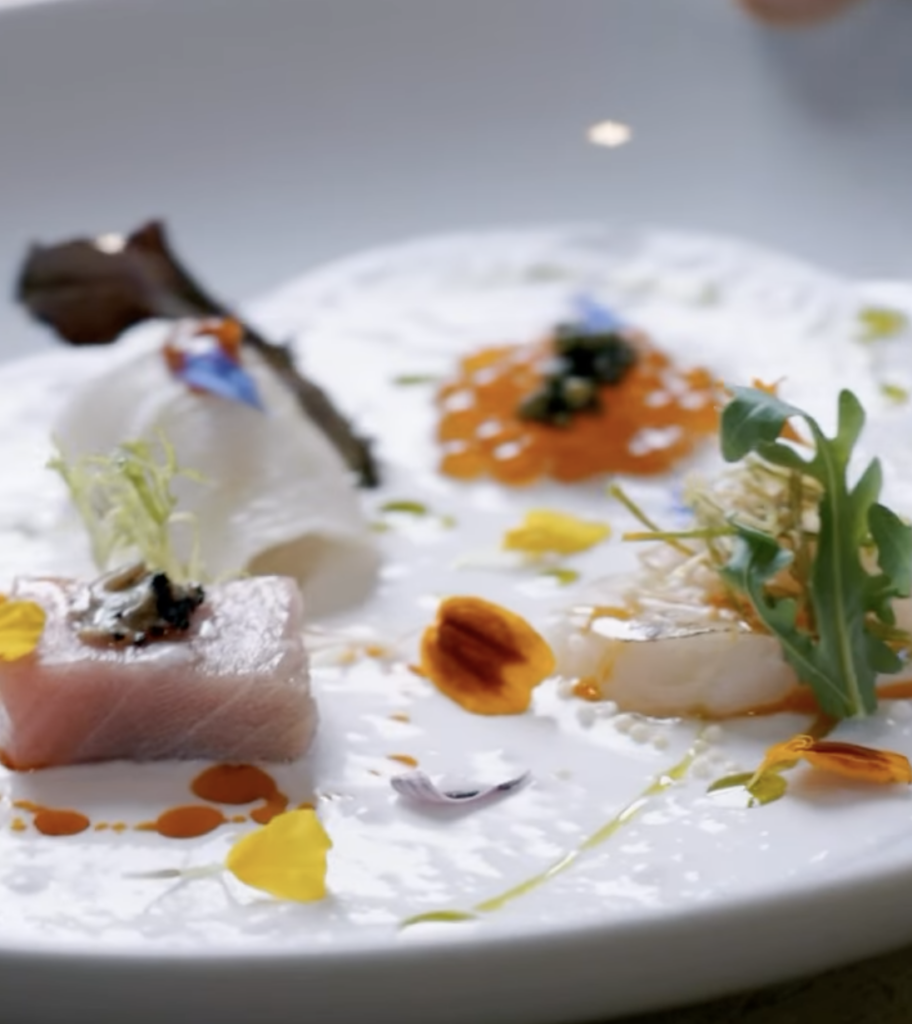
Herb & Sea
131 W D St., Encinitas
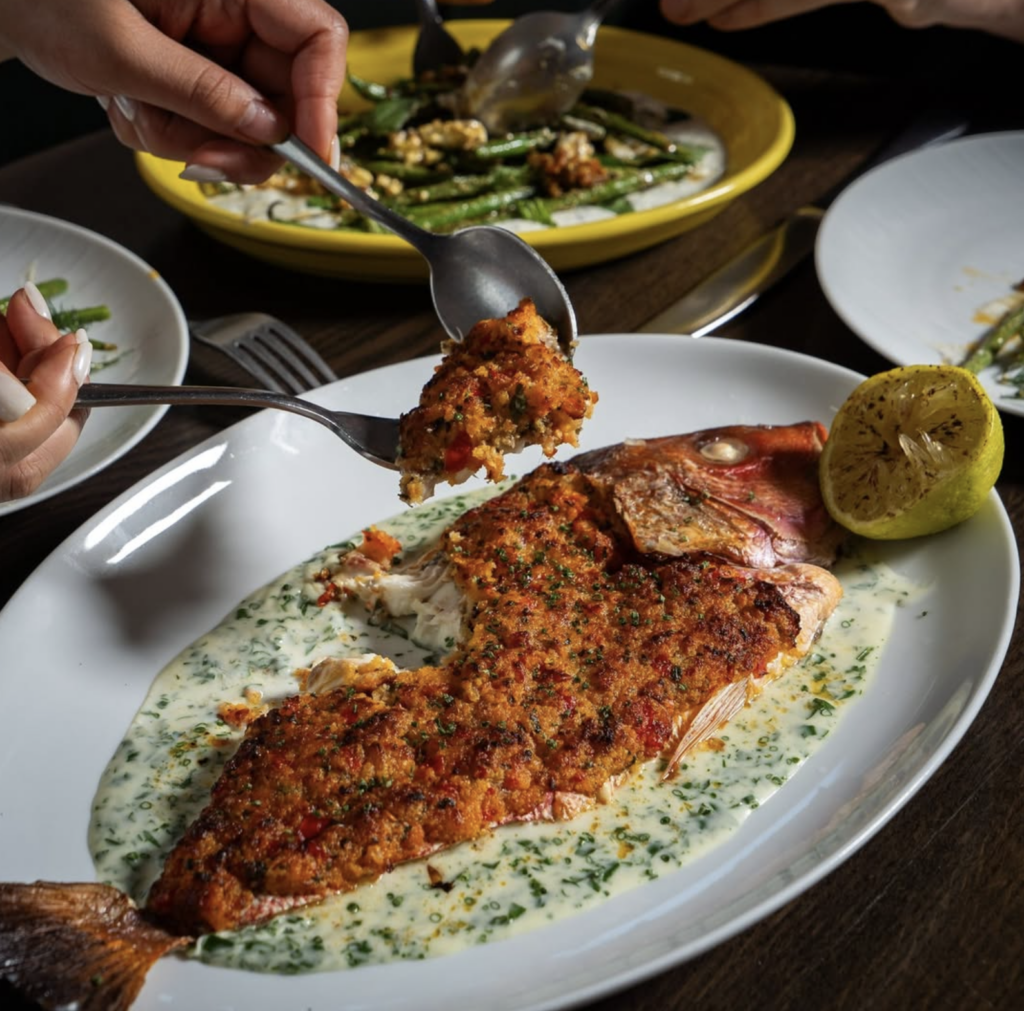
Ironside Fish & Oyster
1654 India St., San Diego
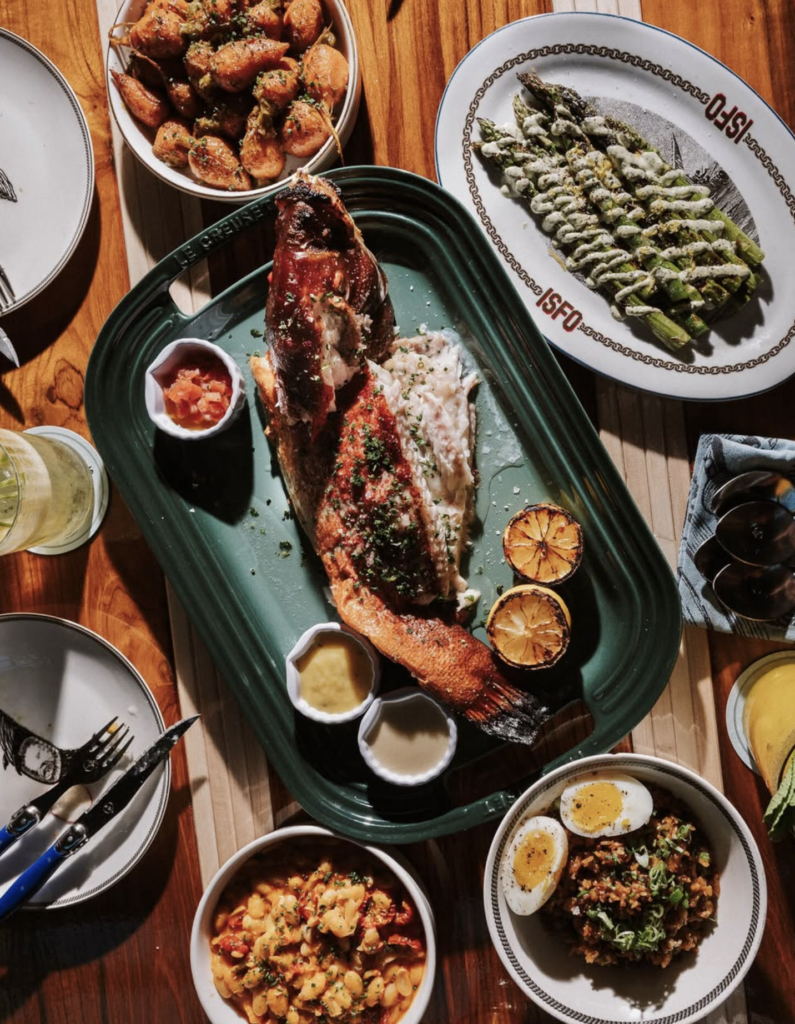
Kingfisher
2469 Broadway, San Diego
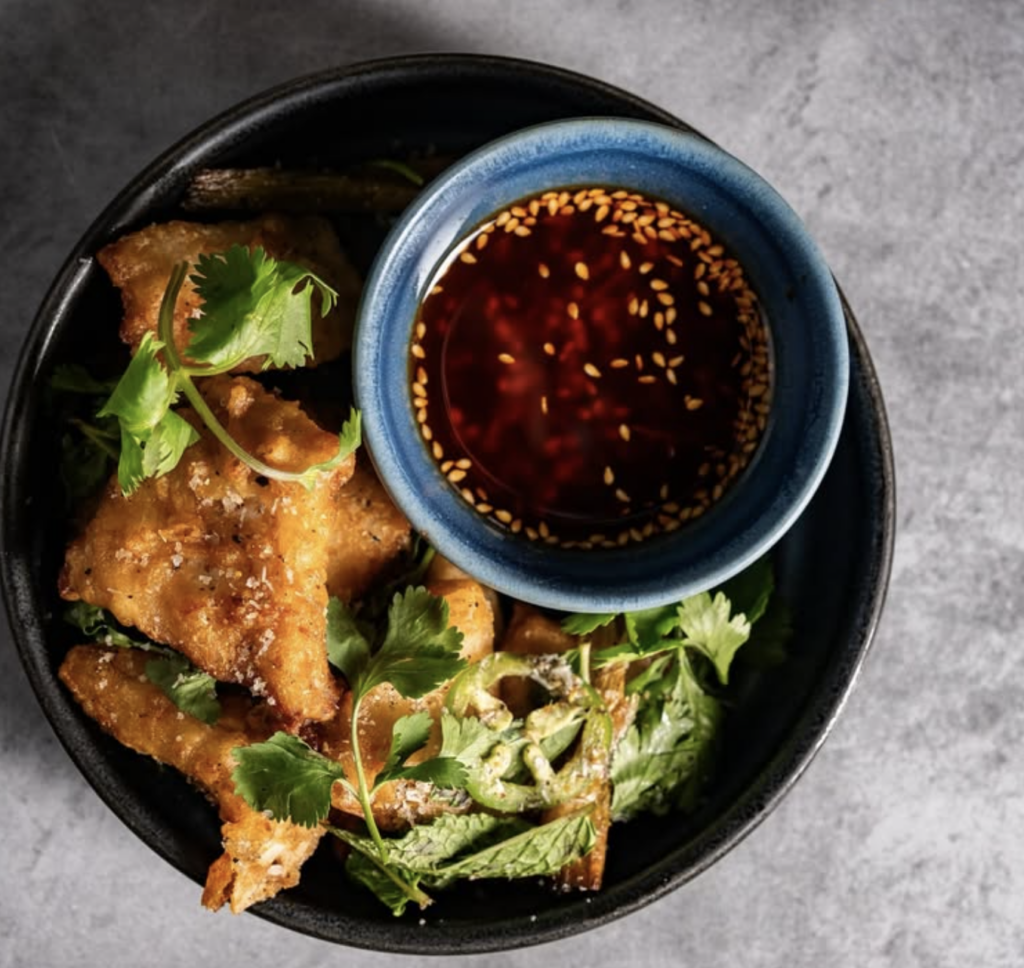
Lionfish
435 5th Ave., San Diego
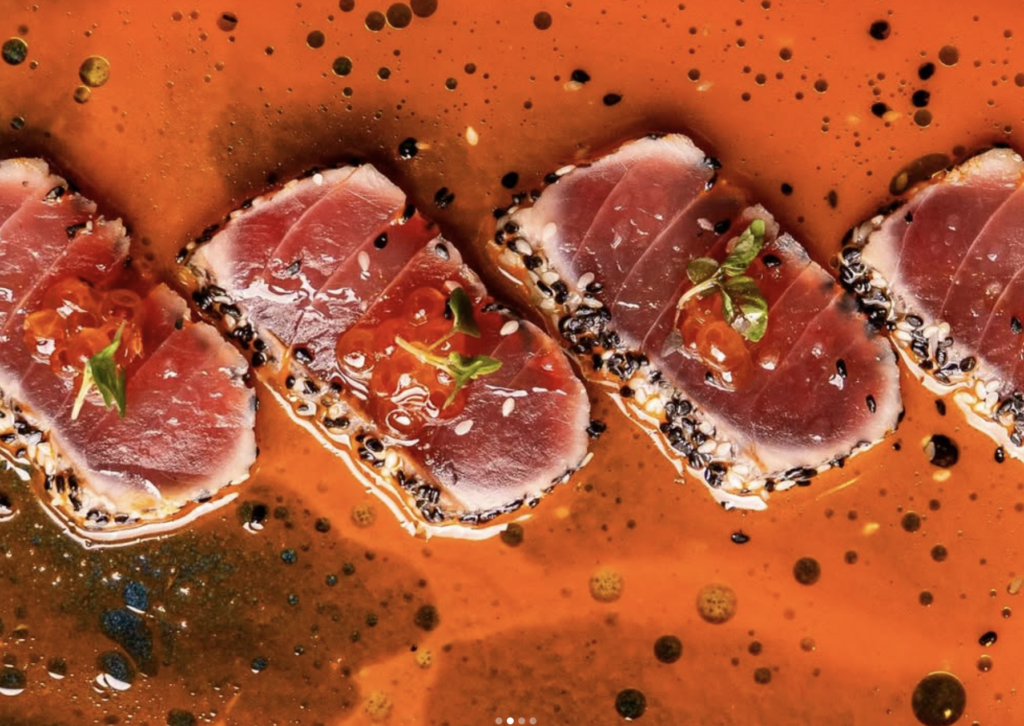
Mabel’s Gone Fishing
3770 30th St., San Diego
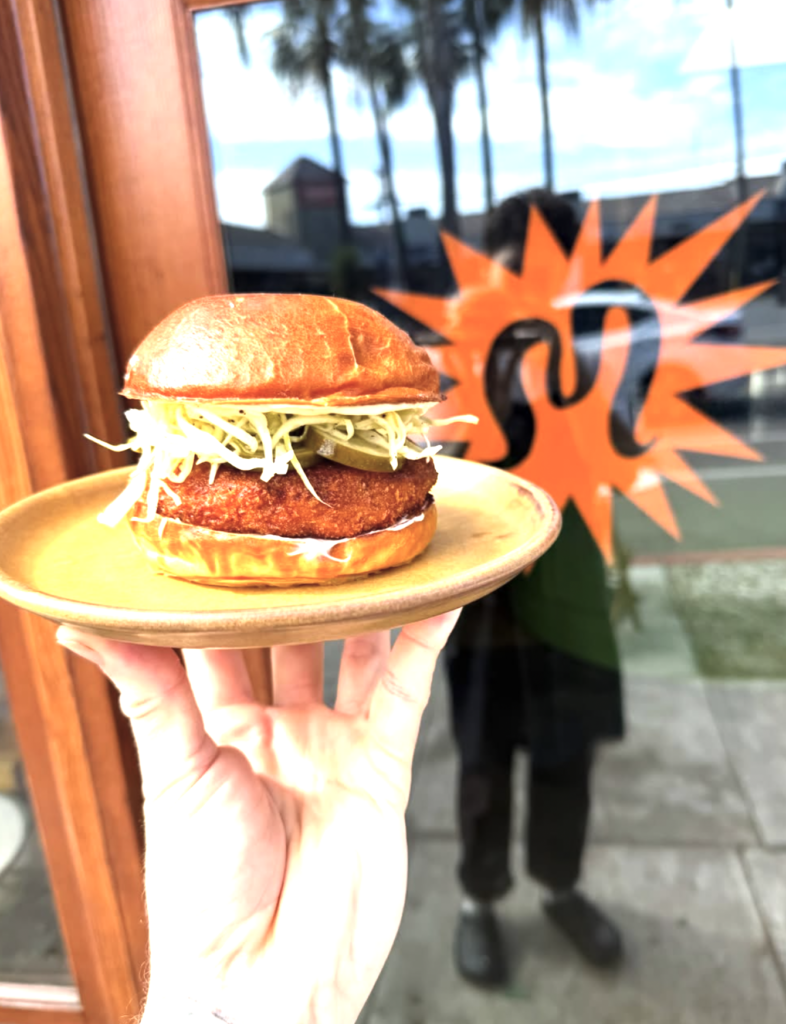
Mitch’s Seafood
1403 Scott St., San Diego
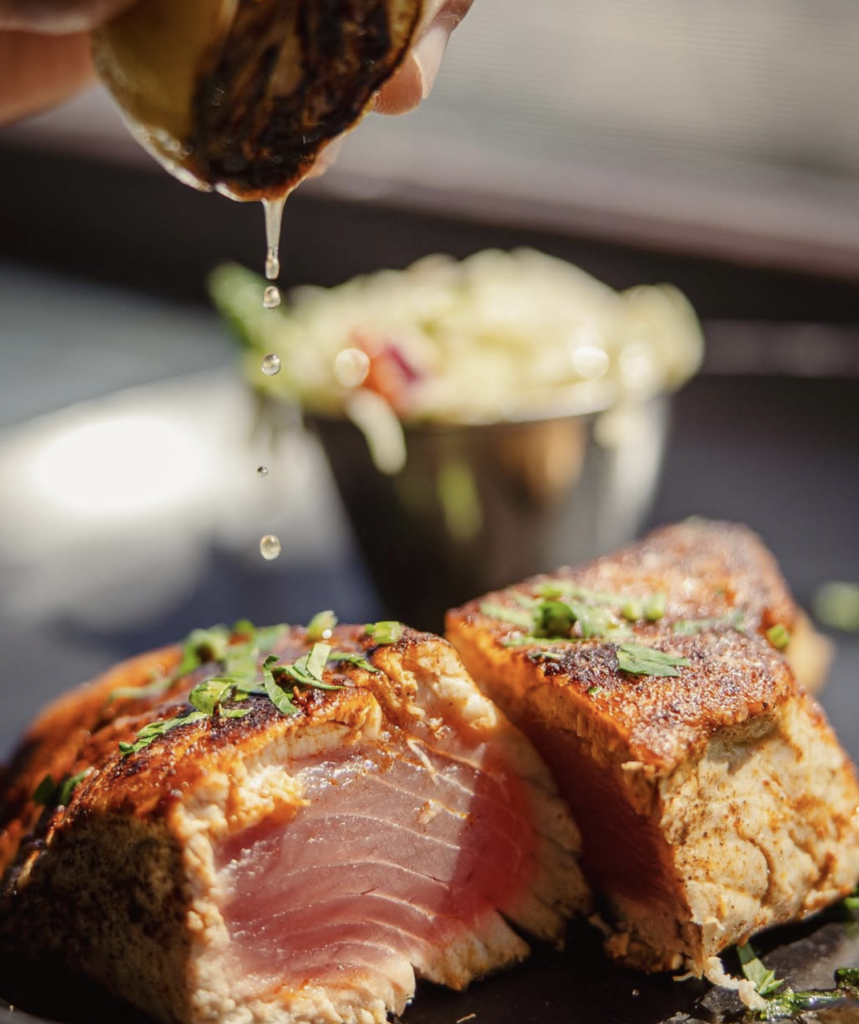
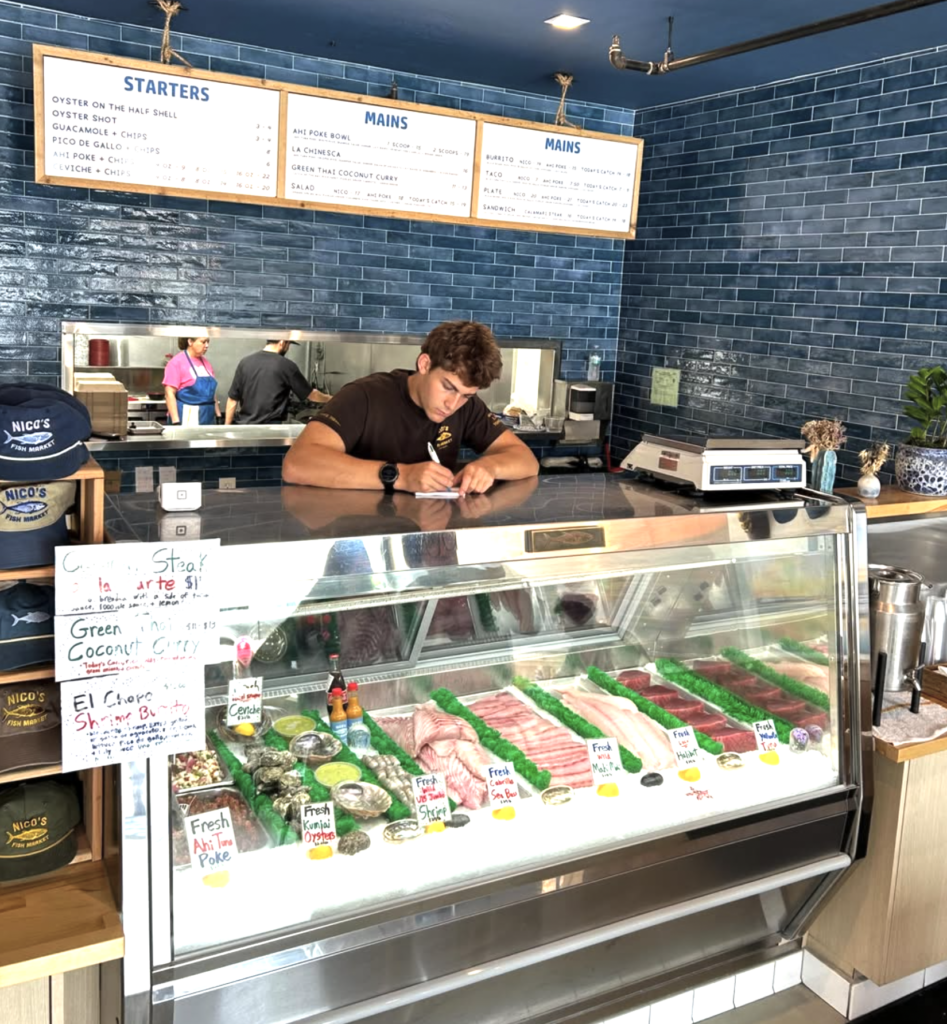
Nico’s Fish Market
745 Emerald St., San Diego
Saiko Sushi
116 Orange Ave., Coronado
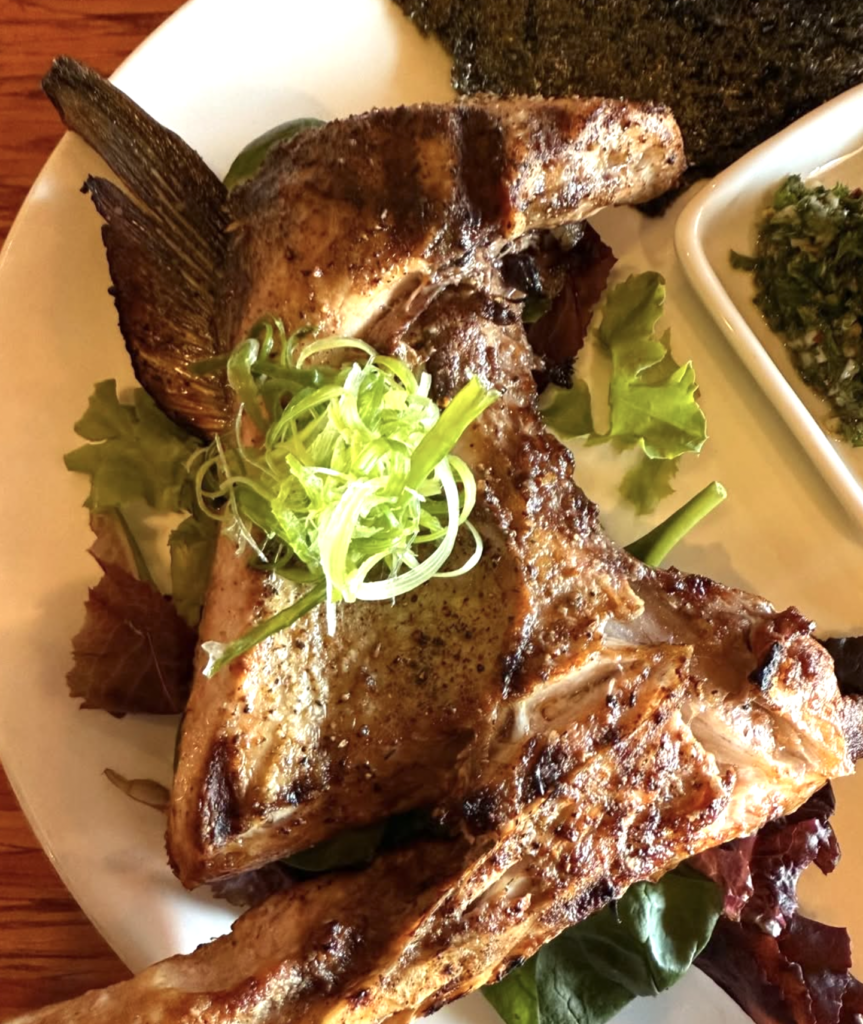
Vistal Bar + Restaurant
901 Bayfront Ct., Ste. 1, San Diego
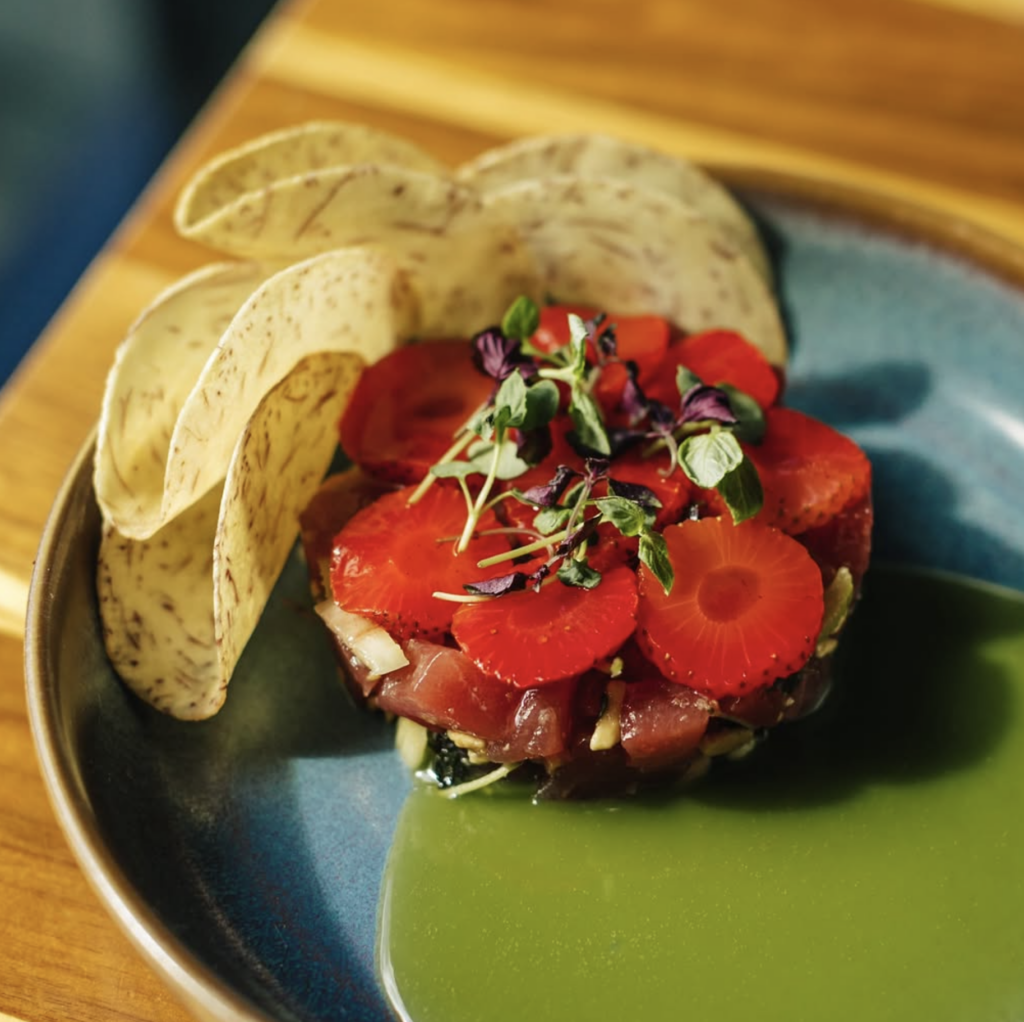
Wolf in the Woods
1920 Fort Stockton Dr., Ste. C, San Diego
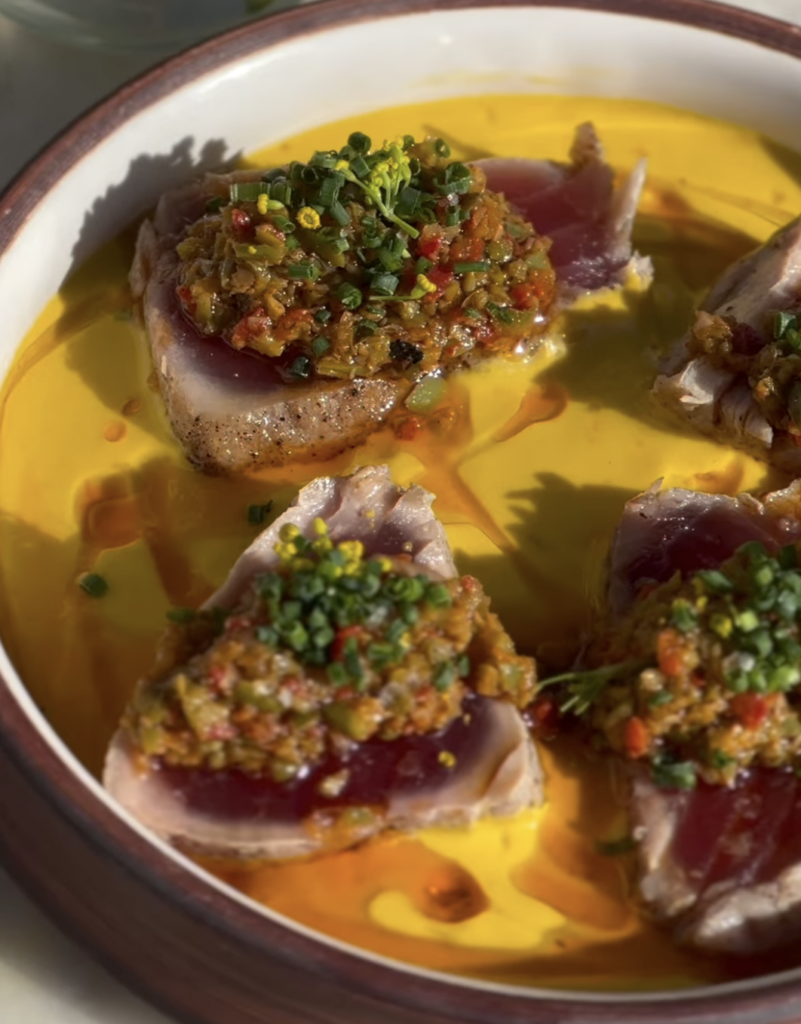
Wrench & Rodent Seabasstropub
1815 South Coast Highway, Oceanside
*This is not a comprehensive list. Not all restaurants feature San Diego seafood exclusively. Availability may vary. If you know of restaurants prioritizing San Diego-caught seafood, let us know at [email protected].
Leorah Gavidor
Leorah Gavidor learned how to write an essay at age seven, and two years after she won her first essay contest. She is a contributor for various San Diego publications, including the Reader, Edible, and San Diego Magazine. Leorah grew up on Long Island (in a town famous for pickles!) and moved to San Diego at 18, where she now lives with her husband.


