



Photography by LAUREN DI MATTEO
Photography by LAUREN DI MATTEO
Photography by LAUREN DI MATTEO
Photography by LAUREN DI MATTEO
Photography by LAUREN DI MATTEO
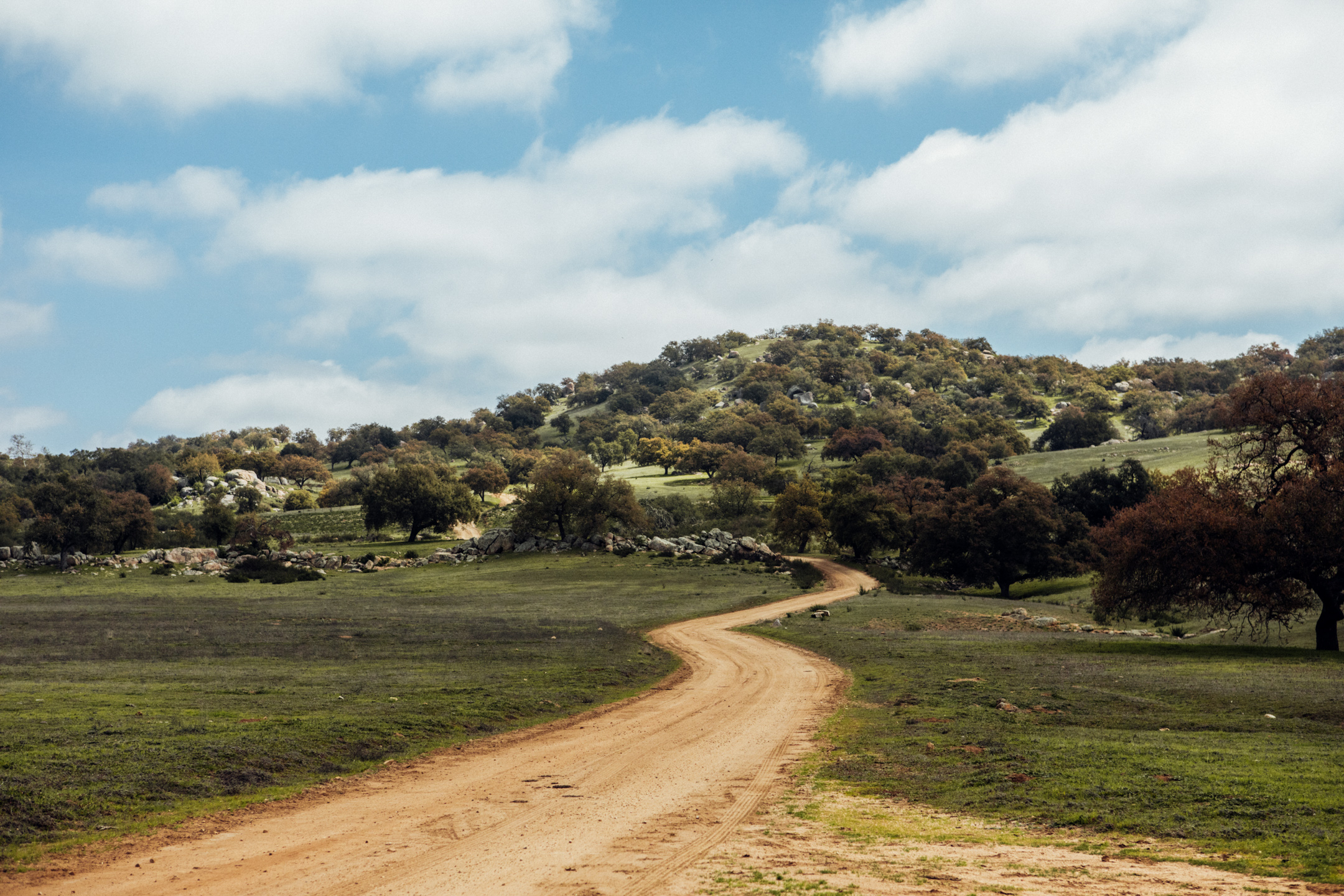
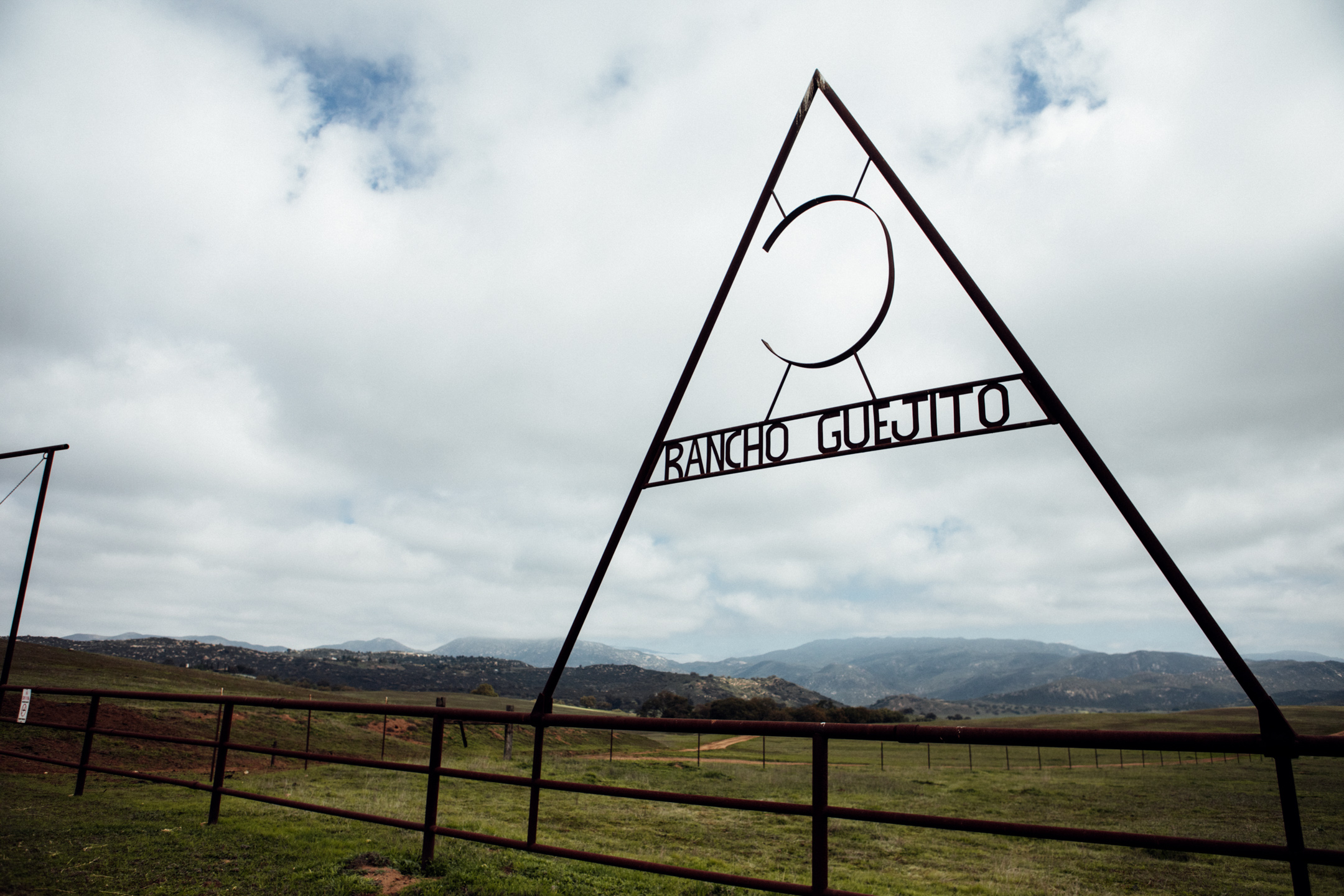
The story of Rancho Guejito didn’t start yesterday, last year, this century, or even hundreds of centuries ago. To start at the beginning, we have to look as far as the Jurassic Period, when the ancient granite upon which the ranch now lies shifted and came into existence through seismic activity.
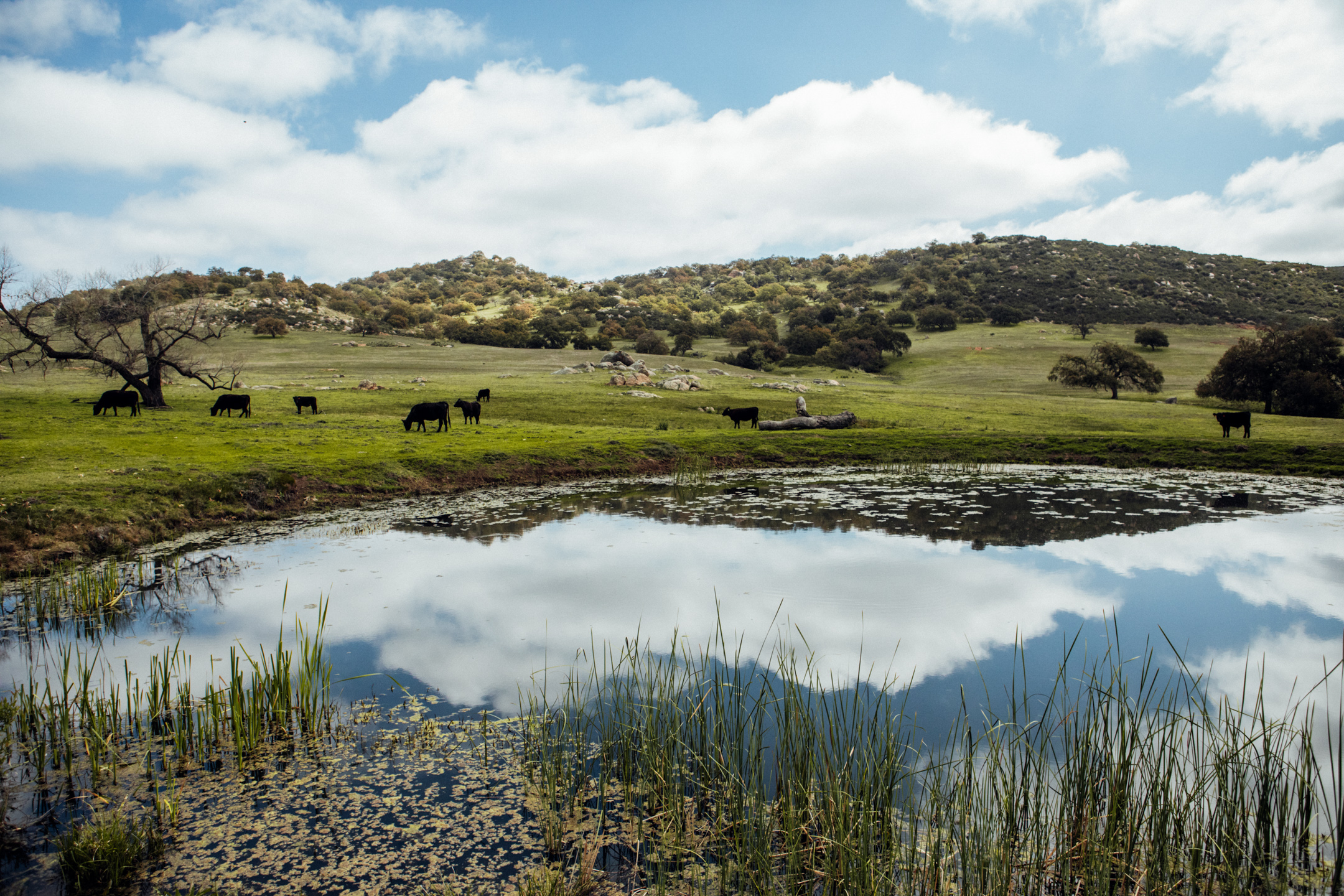
The ranch spans over 22,559 acres, or 36 square miles, an area just a hair smaller than the city of Escondido. For scale, it takes six hours by truck, or two days on horseback, to visit every corner of the property, according to chief operating officer Hank Rupp.
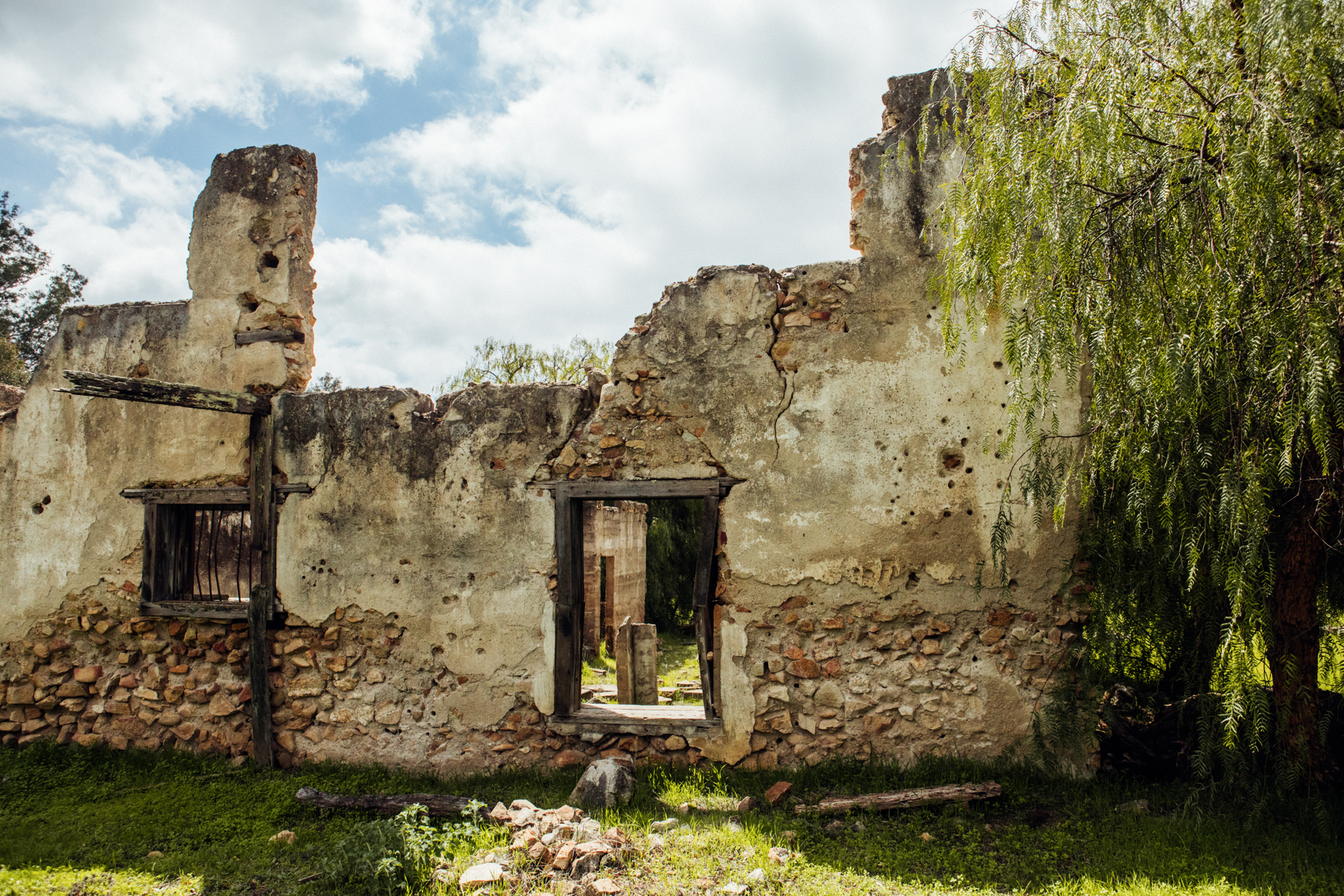
Tucked away in the rolling hills and valleys, Native American pictographs, the ruins of a 19th-century blacksmith shop, and a bullet-riddled winery (a relic of Prohibition) hint at the complex history of California. Nowadays, the property supports a thousand head of cattle, 24 different grape varietals, and enough trees to stretch end-to-end from here to Chicago. Jose Maria Orozco originally established Rancho Guejito in 1845, five years before California became part of the United States. Pio Pico, the last governor of Alta California, parceled out the initial land grant, and in 1974, Benjamin Coates bought the ranch and supervised its preservation until his death in 2004. In the ‘80s, Coates met Rupp, a former prosecutor for the Los Angeles District Attorney, who eventually lobbied on behalf of the ranch and became the full-time COO and general counsel in 2004 under the ownership of Coates’s daughter, Theo.
Rupp believes the ranch is the longest-running business in San Diego County “by far,” and they’ve been able to protect the land by doing things the old-fashioned way. “We’ve got about 500 acres of agriculture—meaning planted areas, vineyards,” he explains. “The rest is open ranch.”
One major reason Rancho Guejito has endured so long is a single crucial asset: water. Derived from the word aguito, meaning “small water,” the ranch was named for how its hills and valleys collect rainfall into streams and abundant groundwater. “The ranch is a very unusual place, because the water that we use is replenished every time it rains,” explains Rupp. “That’s how we got started.”
Access to water in parched Southern California is one thing. But there are other dangers to contend with—notably, fire, pests, and, in Rupp’s opinion, people. In 2007, the Witch Creek fire threatened the property on a massive scale, followed by the discovery of the Goldspotted Oak Borer (GSOB) five years ago. Rupp posits the pest, an invasive species that feasts on oak trees, came from contaminated firewood brought into the area by an unsuspecting person. That means every single one of the approximately 60,000 coast live oaks on the ranch is now susceptible.
Rupp estimates it costs around $150,000 annually just to keep the GSOB threat in check. (Thankfully, the 120,000 Englemann oaks across the property—the largest collection in the world—are naturally immune to the GSOB.) But regardless of cost, he sees it as their duty. “If all of a sudden you were the owner of a piece of land that looks a lot like it did when it was founded in 1845—and probably a lot like it did in 1845 BC—that’s a lot of responsibility,” he says. And the money to keep up with that responsibility has to come from somewhere. Under Rupp’s leadership, the ranch has developed diverse revenue streams including cattle ranching with direct-to-customer meat sales, a winery and popular tasting room, wine club, citrus and avocado cultivation, and an increasingly popular wedding venue.
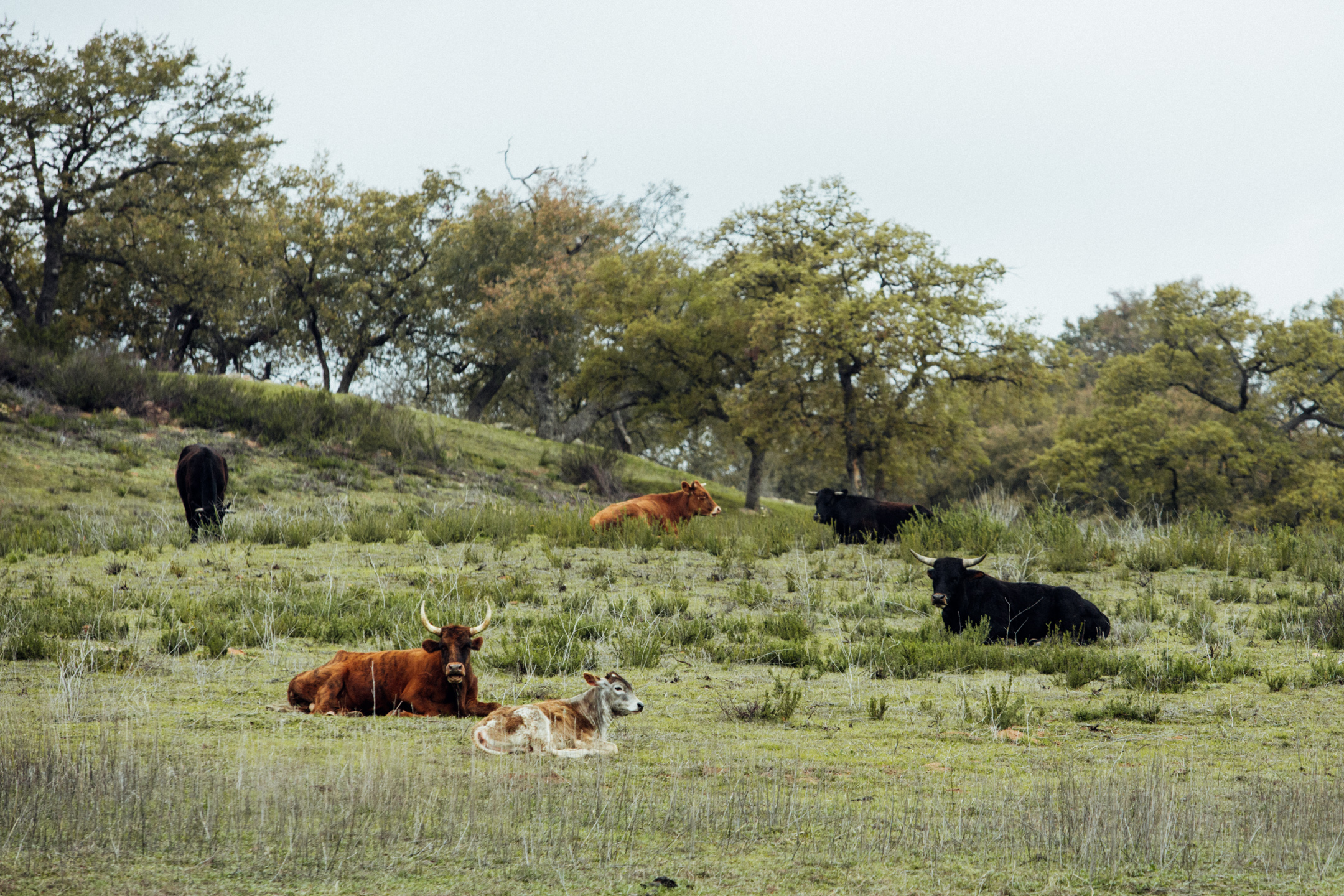
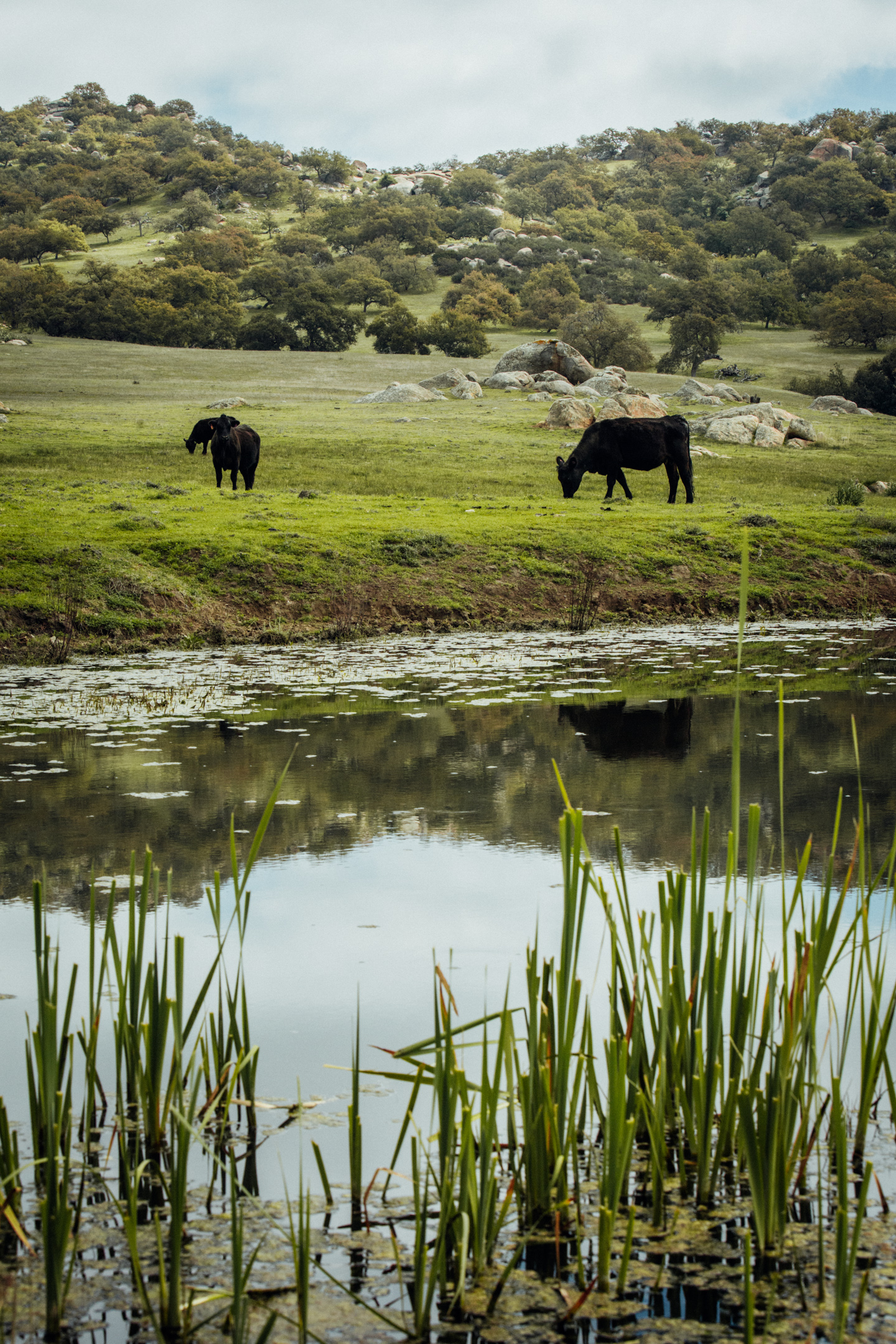
“If you were born a cow, you’d want to be born on Rancho Guejito,” promises Lauren Eram, beef operations manager for the ranch. The pasture-raised, grass-fed herd has free rein of the entire land and has grazed these pastures undisturbed since 1845. The 1,000-plus head of USDA-certified, 100% Black Angus cattle on the ranch are all born on the ranch and live their entire lives there. Their ability to naturally graze from pasture to pasture is easier on the cows and the land itself.
A small staff of cowboys (yes, real ones) keep an eye on the herd, encouraging them to move along once the grass in one area gets too low. “You don’t want to overgraze the land with cows because that will contribute to erosion, which will contribute to destruction of the land,” explains Rupp. The cowboys use horses rather than machinery to ensure the herd keeps moving—a conscious decision to impact the land as gently as possible.
Rancho Guejito has been a working ranch since its inception, but it didn’t start selling beef directly to consumers until 2022. The wine program, however, began before that. Today, winemakers work over 50 acres of vines to plant grapes, plan the harvest, make the wine, and provide bottles to the ranch’s 200 or so wine club members and guests of the tasting room. Grape varietals grown on-site range from cabernet sauvignon to malbec, viognier, grenache, and more for a total of two dozen (for now). They’re currently building a new—and much larger—tasting room over the next three years to expand their wine program and host more public events. As an example of its commitment, the Ranch has applied for its own AVA (American Viticultural Area) designation.
In terms of crops across the property, there’s more than just grapes.
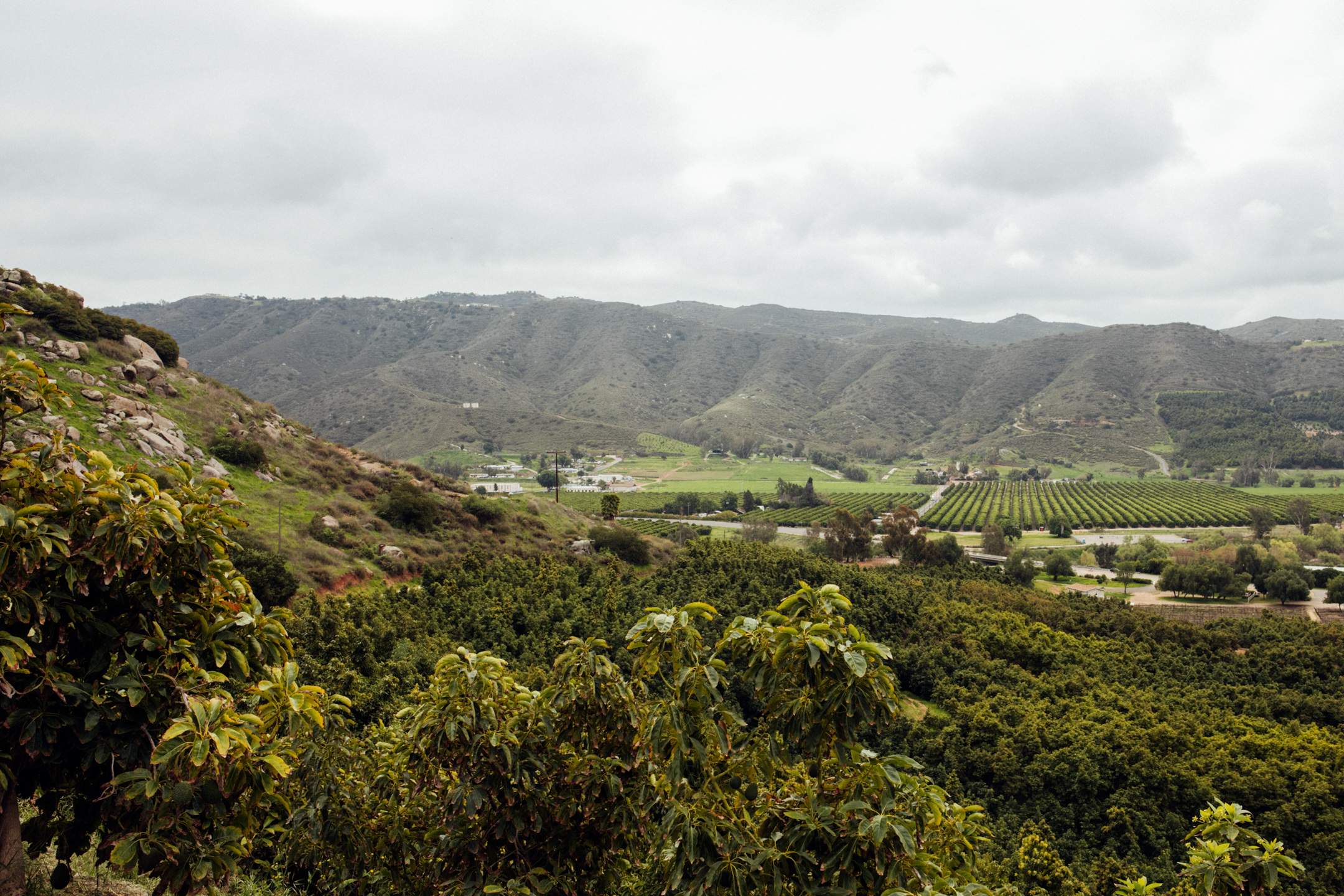
With a peak of 4,000 feet above sea level in the north and a base of around 400 feet on the south side of the property, Rancho Guejito contains a multitude of microclimates—for instance, chardonnay grapes prosper at higher elevations due to the cooler climate, and citrus and avocado trees soak up the warm air and sunshine in the lower elevations. It goes without saying that ongoing access to groundwater helps. A lot.
A typical avocado or citrus farm might have around 110 trees per acre, says Rupp. But at Guejito, they utilize a high-intensity planting pattern with around 440 trees per acre. “We found that the canopy that grows with that kind of grove protects the soil from evaporation,” he explains. “We get four times the production with the same amount of water.” It’s a hyper-efficient method that they consider the pinnacle of long-term sustainability. I asked the ranch caretaker, Chris Lyon, who’s worked there for 22 years, if he could hazard a guess at how many avocado trees there are across the property.“Oh, forget it,” he laughed, shaking his head at the very thought of estimating the astronomical number. (Regular Joes can’t get their hands on the green gems, though—Rancho Guejito sells their avocados exclusively to Whole Foods.)
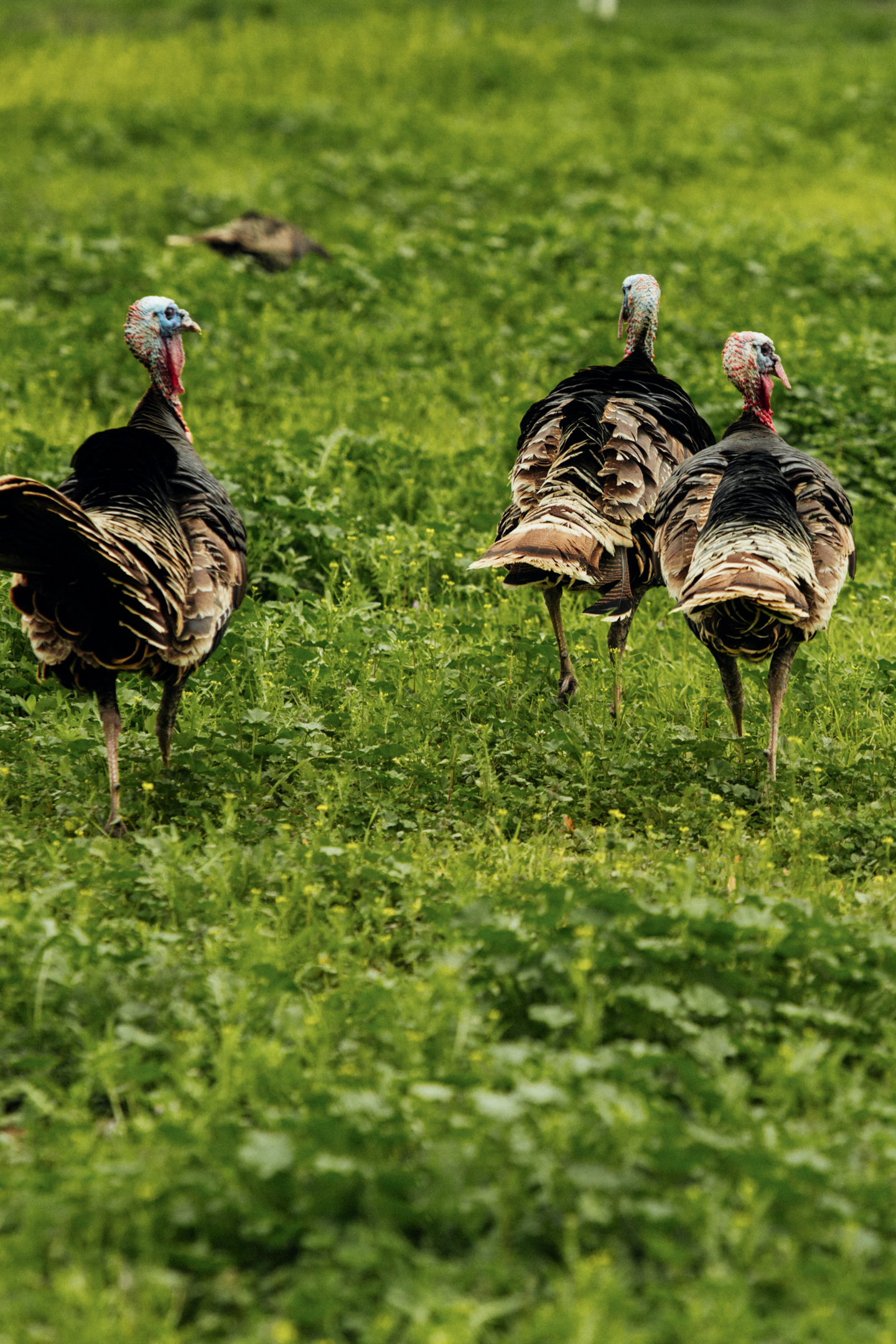
At the end of the day, Rupp says all of the business endeavors on the ranch—the wine, the beef, the avocados, the events—support their goal of keeping this parcel of unspoiled land intact for generations to come. Not just generations of humans, either. The thousands of turkeys, bobcats, mountain lions, snakes, hawks, and coyotes who share this land depend on us to maintain this historic and thriving ecosystem.
“We believe—we know—they’re not making land like this anymore,” says Rupp with conviction. “We do everything we can to protect the ranch.”
To Rupp, sustainability isn’t a buzzword. It’s the honorable way of doing things—and necessary because some things, like the natural gem that is Rancho Guejito, are simply irreplaceable.
Originally published in issue 82.
This article contains links that are not provided, maintained by, or in any way affiliated with Edible San Diego.

Beth Demmon
Beth Demmon is an award-winning San Diego-based freelance writer, beer and cider judge, and author of The Beer Lover’s Guide to Cider: American Ciders for Craft Beer Fans to Explore. You can view all of her work at bethdemmon.com or find her on Instagram @thedelightedbite.


