Photography by Adriana Delgado
Photography by Adriana Delgado
Photography by Adriana Delgado
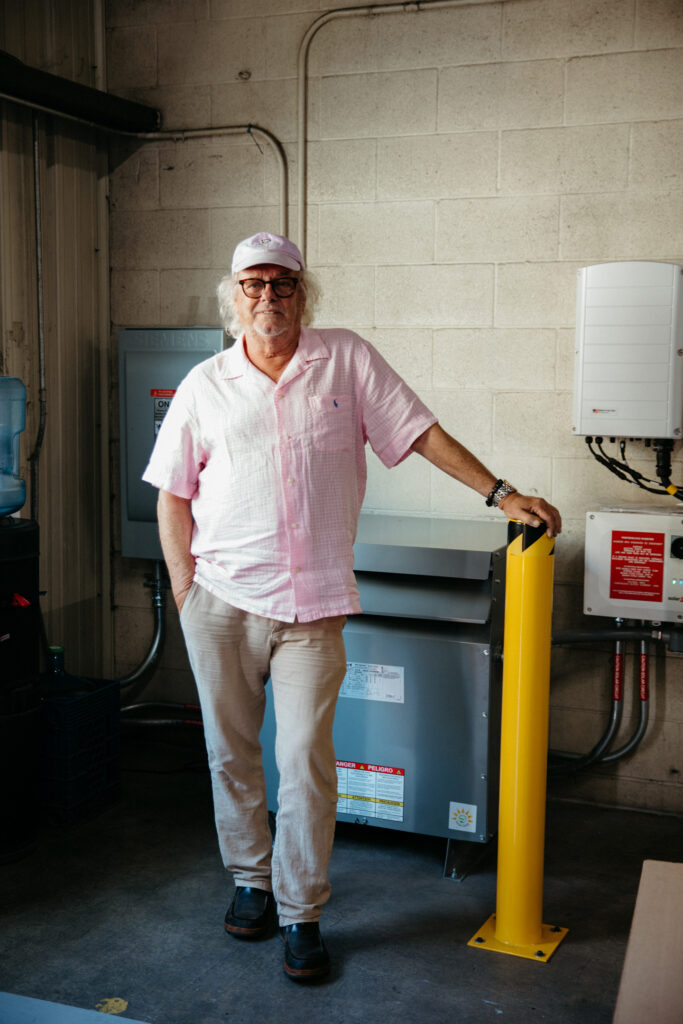
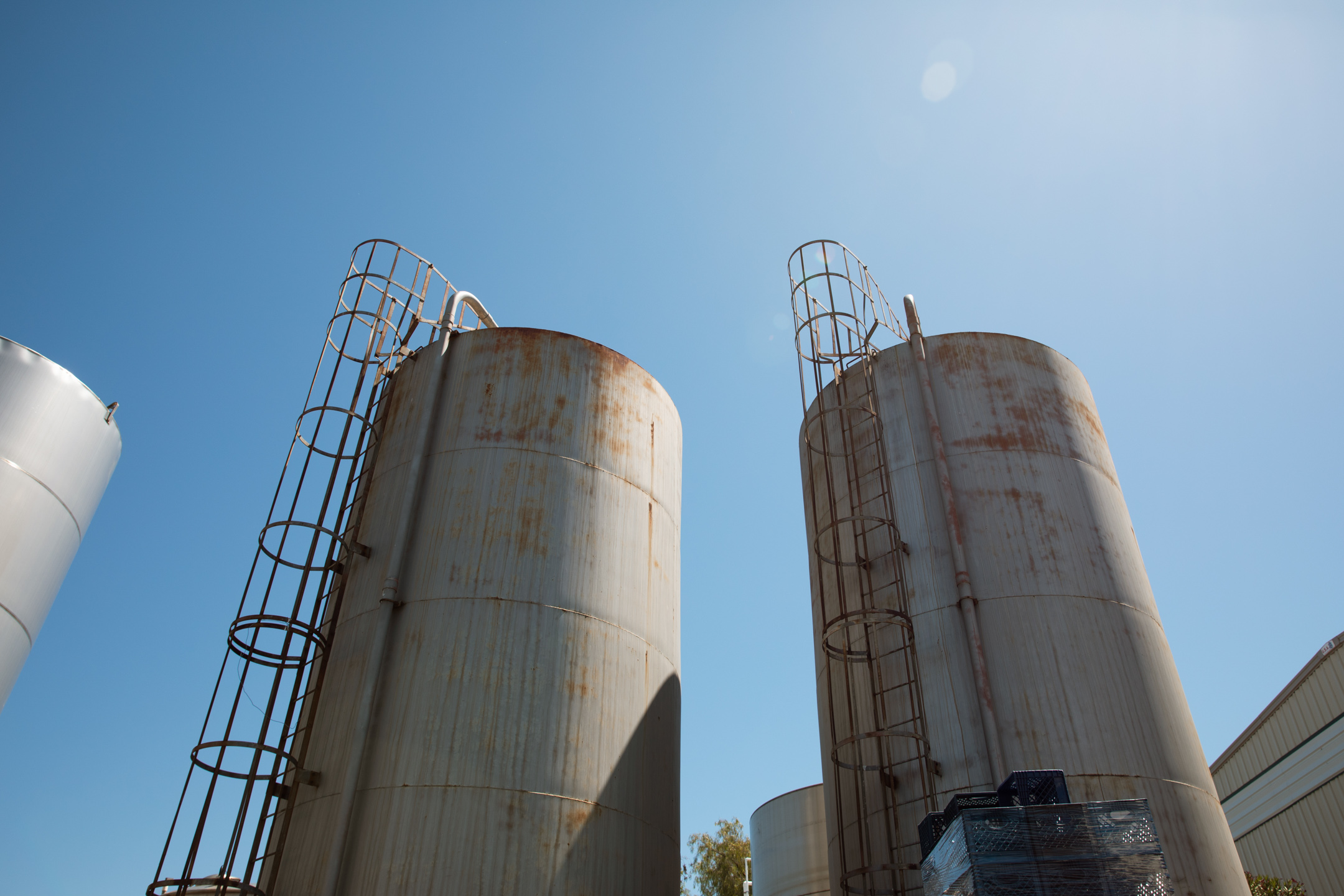
With San Diego in such close proximity to the Pacific Ocean, one entrepreneur, BJ Kjaer of Solar Rain Water, has created a way to transform the H2O from our beaches into drinking water. The world’s oceans occupy more than 70% of the Earth’s surface and contain approximately 97% of the Earth’s water, according to NASA’s Earthdata. Kjaer started the company in 2010 to leverage natural resources to fulfill an essential human need: hydration.
Below is the interview with CEO BJ Kjaer. The interview has been edited and condensed.
Can you tell us what’s special about Solar Rain Water? I love the motto,“Straight from the Clouds,” that you put on every bottle.
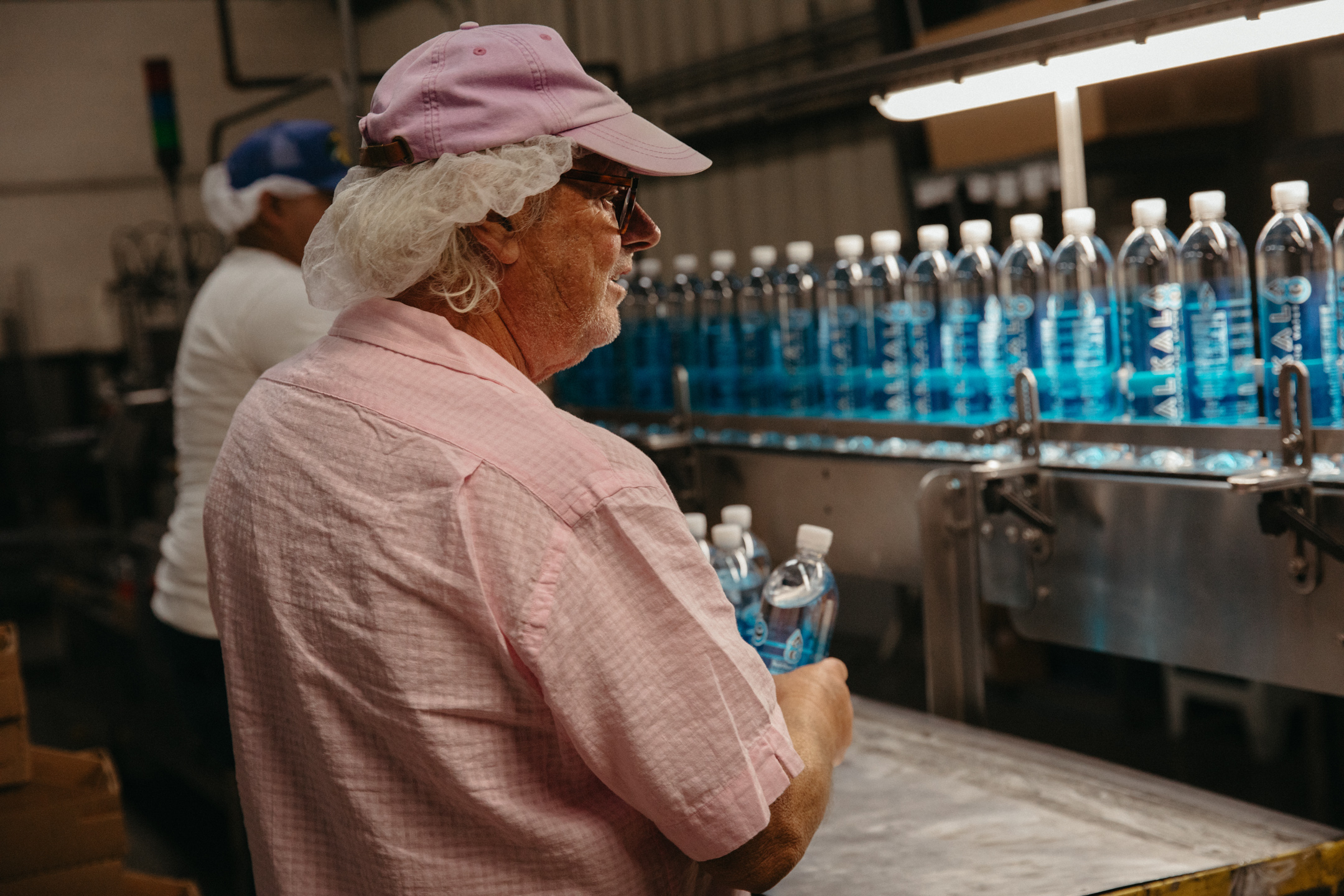
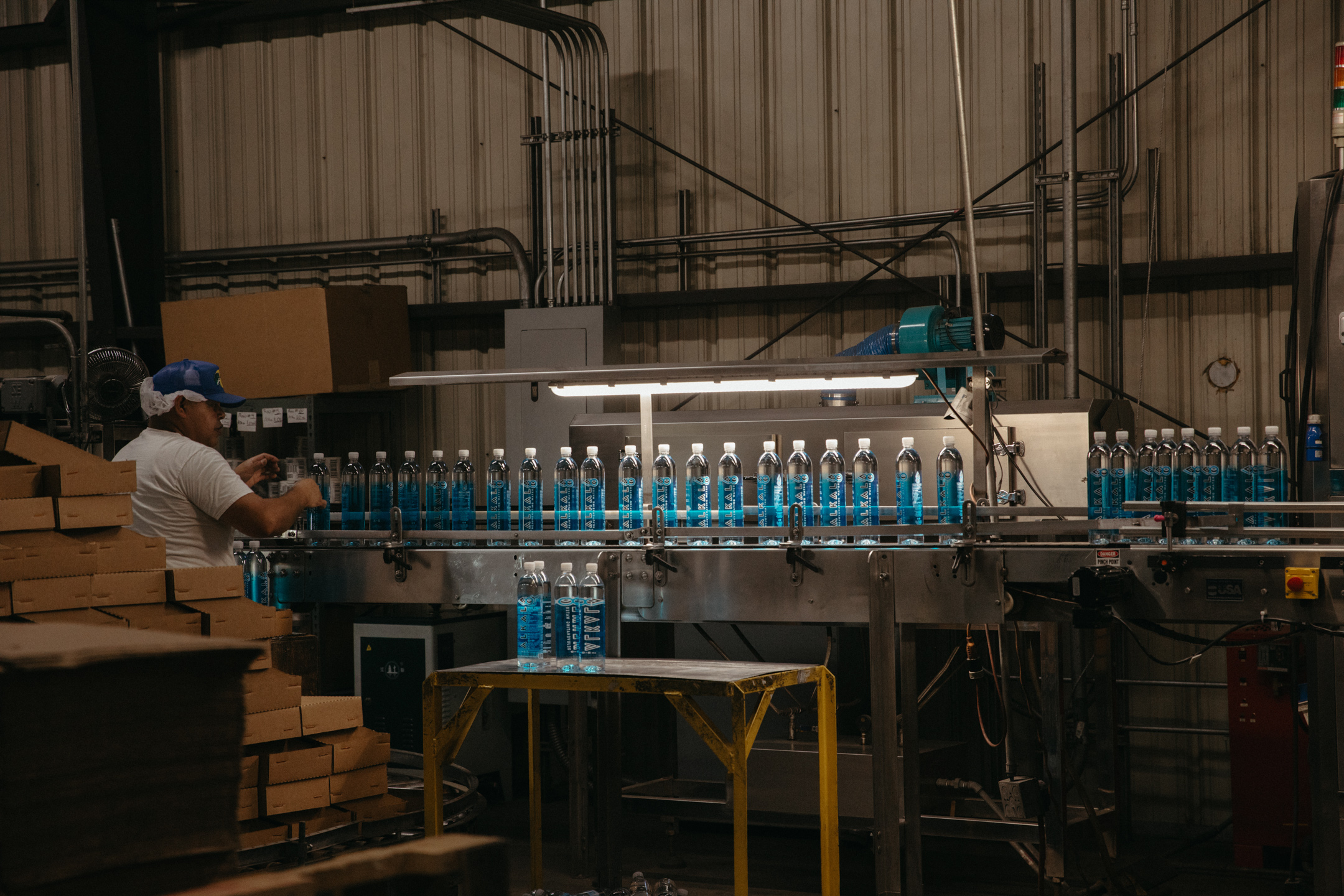
Our company converts ocean water into pure drinking water. About once a week, we bring local ocean water to Ramona. We use vapor distillation, which relies on evaporation and condensation to remove impurities. Solar tubes efficiently convert solar energy to heat the water; the hotter the water, the faster it evaporates. Our solar thermal field occupies about 10,000 square feet. It’s next to our production plant and warehouse, which takes up about 60,000 square feet.
What made you come up with the idea for Solar Rain Water? I’m an avocado and citrus farmer with 42 acres, so water is always an issue. I want to make my own rain and basically mimic what nature does by using ocean water.
How often do you test the water?
Every day! We have an in-house lab where we test for different bacteria, like mold, yeast, E. coli, and coliform. Every week, we send all our water to a third-party lab in San Bernardino. And once a year, we produce a 40-page document with a comprehensive list of everything that’s in the water.
Where can people find Solar Rain Water?
It’s available in over 500 places in Southern California. Not only do we distribute to stores and markets, like Jensen’s Foods in Point Loma, OB People’s Food Co-op in Ocean Beach, and Cream of the Crop in Oceanside, but we also provide private-label water to yoga studios, gyms, and hotels, like The Lodge at Torrey Pines. We’ve also donated water to Berry Good Food Foundation and Camp Pendleton military families.
Why square bottles instead of round bottles?
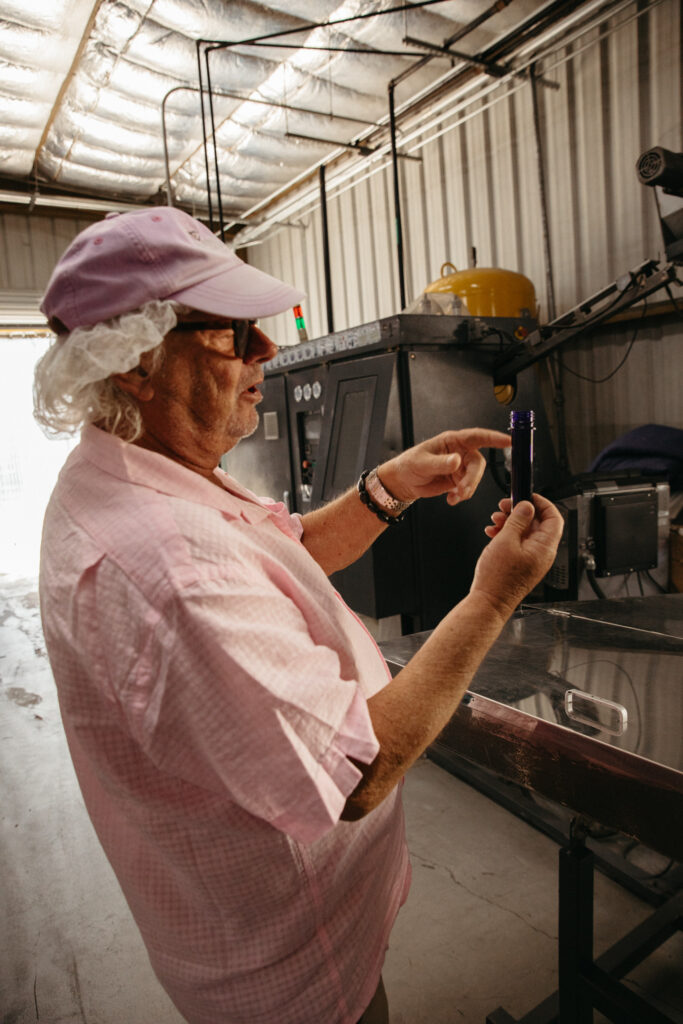
I wanted to try to make the bottles as environmentally friendly as possible. You can fit more square bottles in a tray than round bottles—something like 20%—which means more bottles can be shipped in less space, thus reducing CO2 emissions. With fuel prices being what they are, transporting water around is expensive because it’s heavy. We have locally sourced water here in San Diego. It’s just crazy to me when I go to stores and see water from Bulgaria and Fiji.