


Photography by Maya Seaman
Photography by Maya Seaman
Photography by Maya Seaman
Photography by Maya Seaman
Photography by Maya Seaman
Shopping at local farmers’ markets supports community agriculture, fosters connection, and ensures fresher, more nutrient-dense produce. One of the reasons I love shopping at local markets is that I can get my family’s weekly produce without excess packaging. Plastic has become so ingrained in our everyday lives that avoiding it requires significant effort and a big mindset shift. Before we discuss ways to use less plastic, let’s talk about a brief history of this petroleum-based product.
Although cellophane arrived on the market in the 1910s, the use of plastic packaging surged after World War II. Since the 1950s, we have accumulated over 8 billion tons of plastic waste, and because plastic’s breakdown time is essentially unknown, nearly every piece ever made still exists. Before the plastic boom, beverages came in glass, milk was delivered to doorsteps, and grains were sold in bulk using cloth or paper bags. While many businesses are making efforts to return to these practices, motivated shoppers can avoid excess plastic packaging if they know where to find the goods.
Skip the packaging
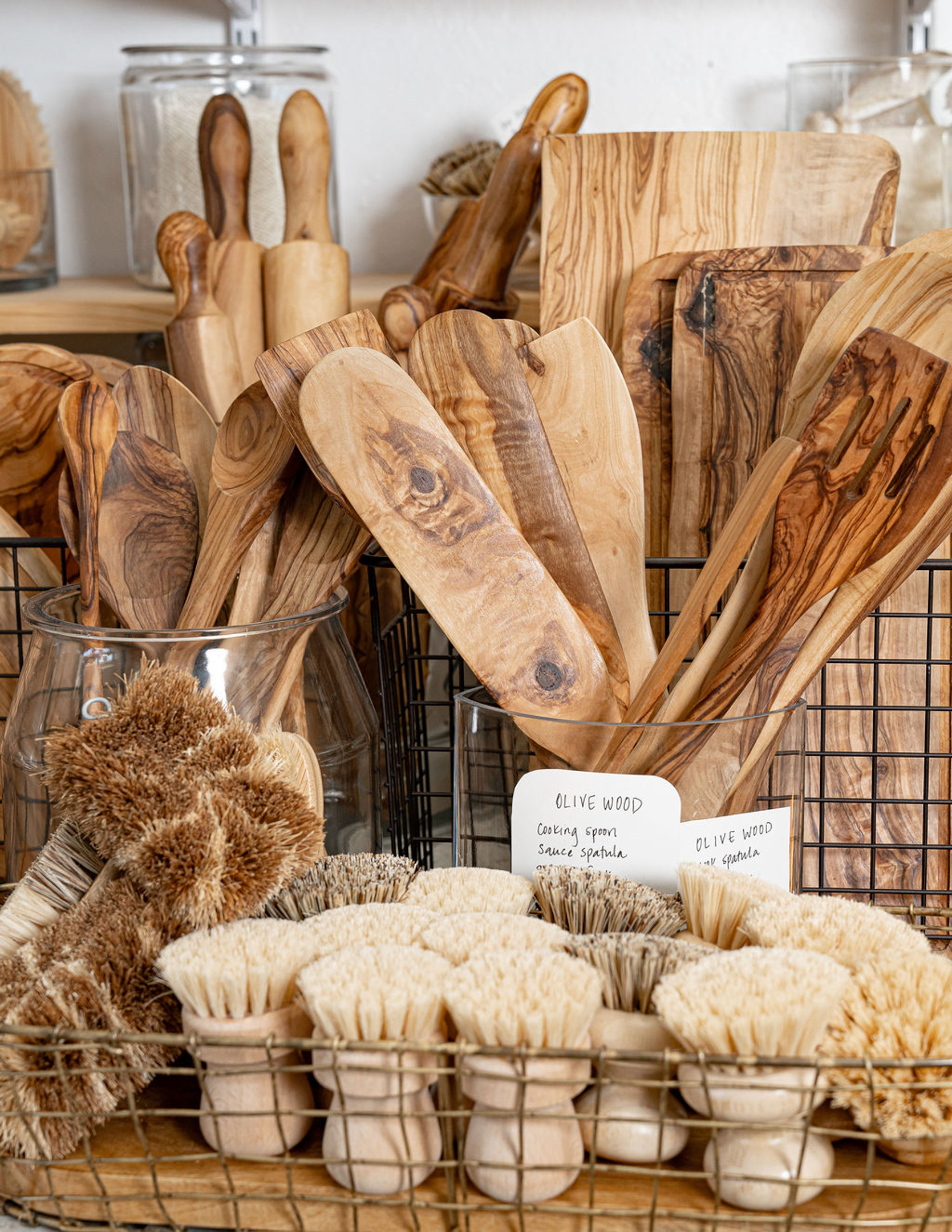
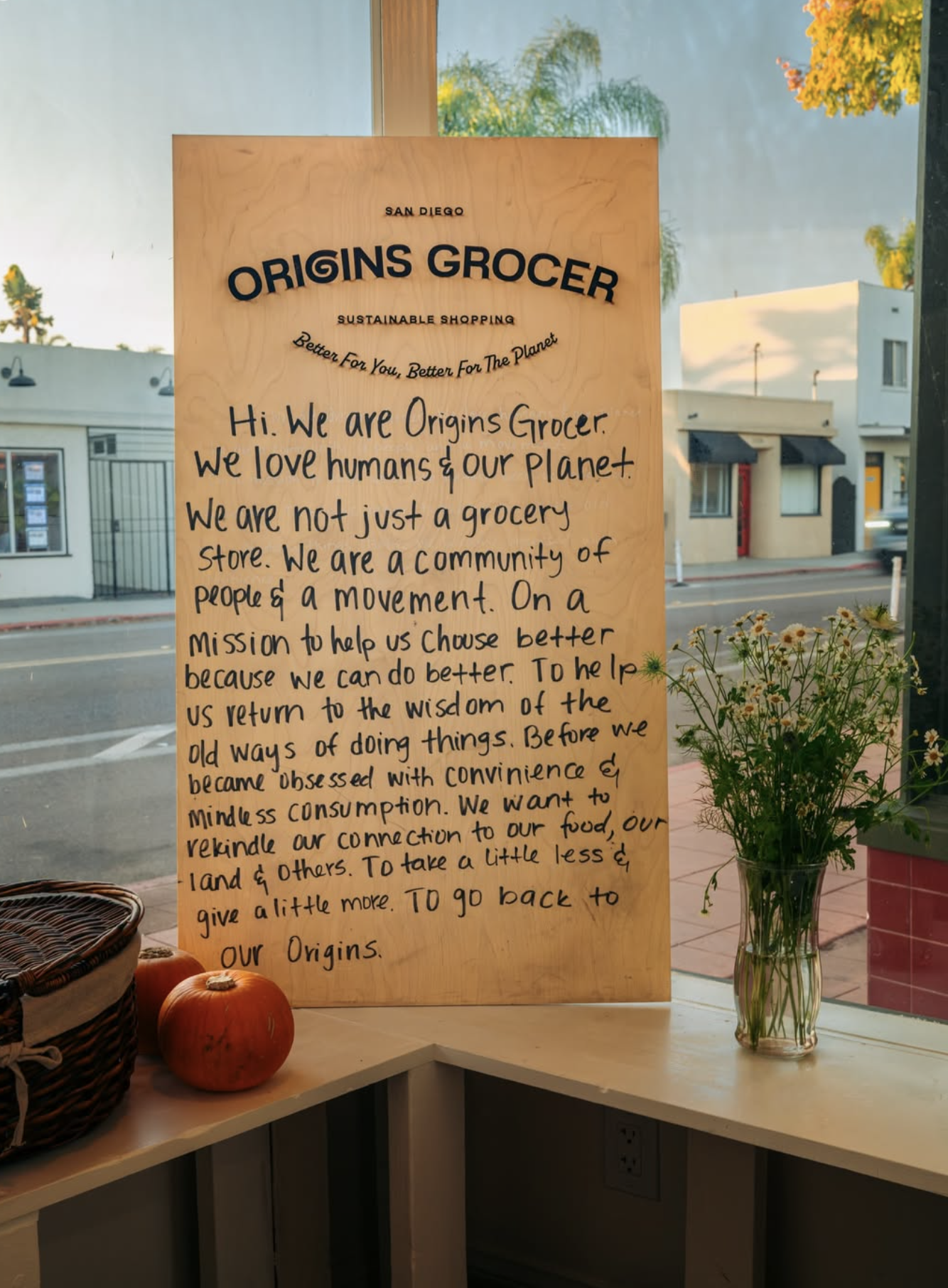
Bulk food bins are a great option for avoiding excess packaging. You’ll find them at local grocery retailers like Windmill Farms, Ramona Family Naturals Market, Ocean Beach People’s Food Co-Op, Specialty Produce, and Origin’s Grocer, as well as larger chains like Sprouts and Winco. Remember: The most sustainable option is using what you already have. It is perfectly okay to reuse old plastic containers for refilling as you transition toward glass or metal alternatives.
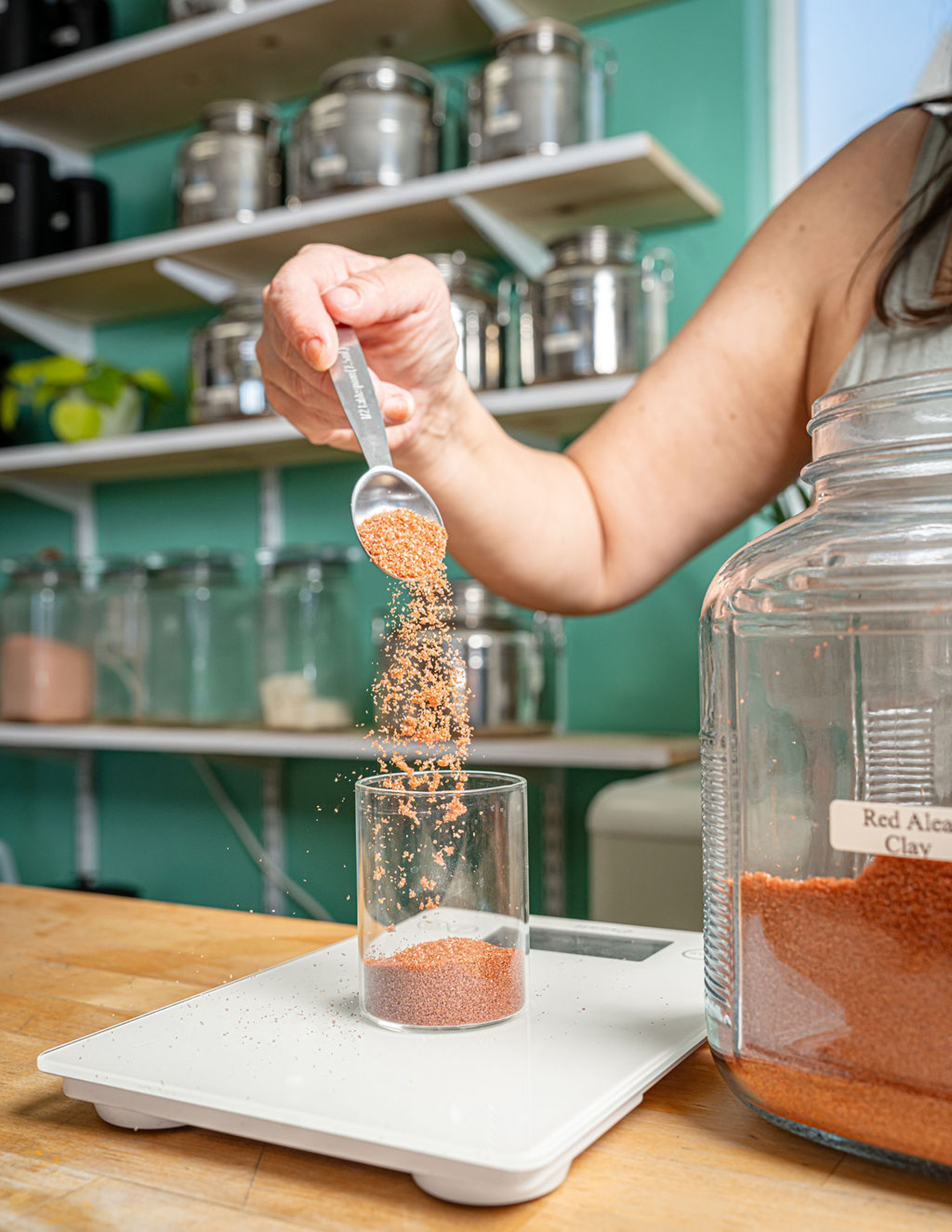
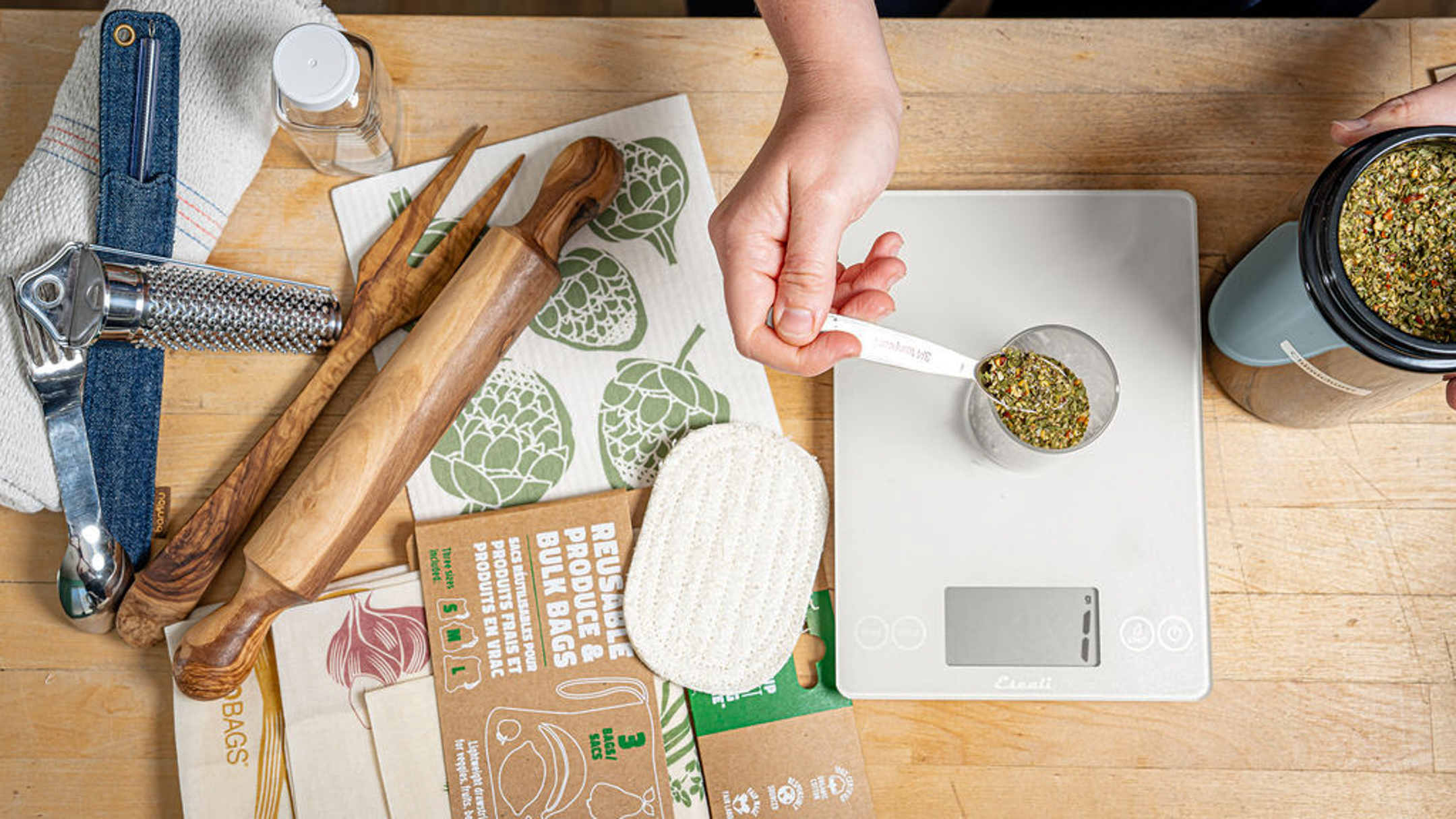
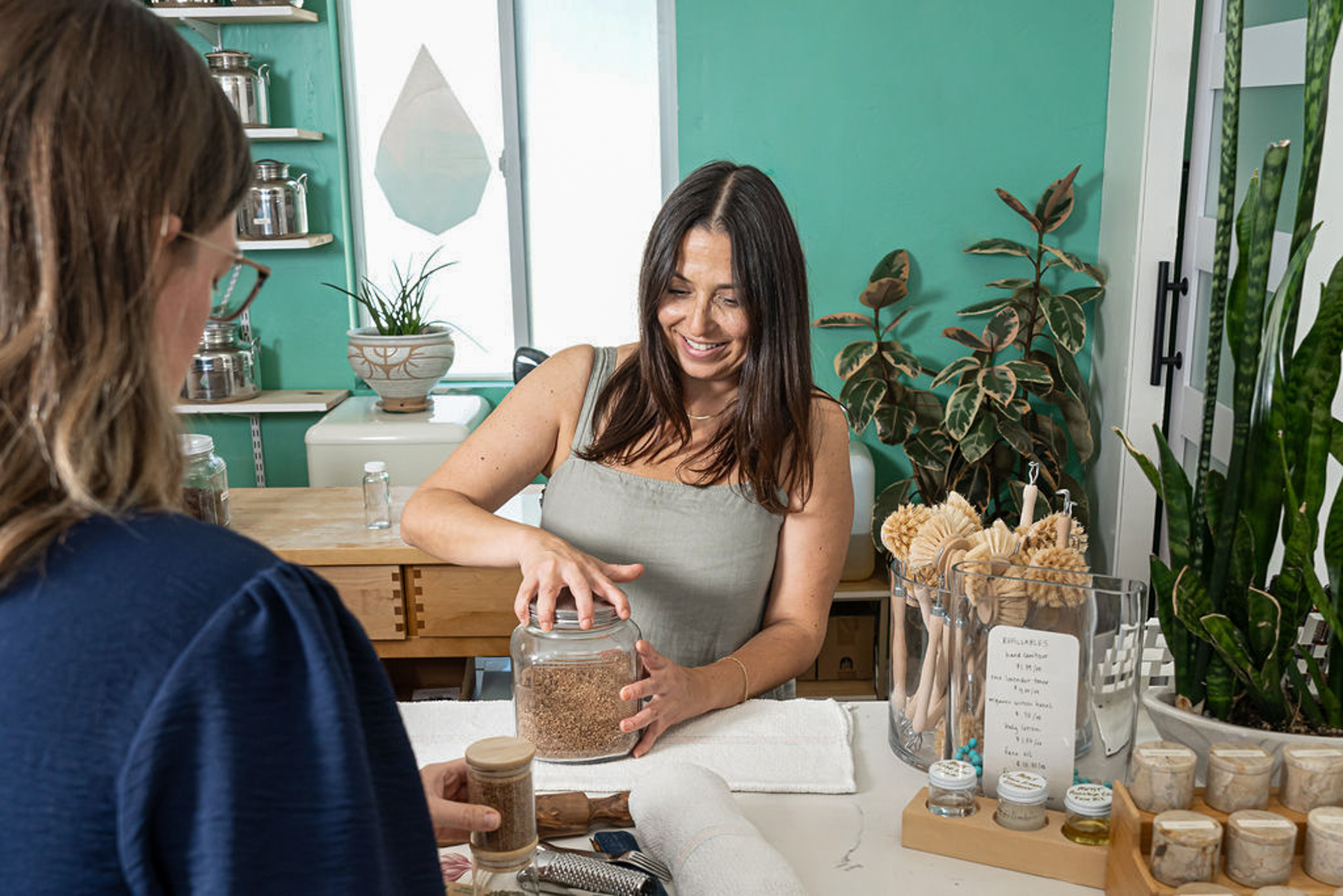
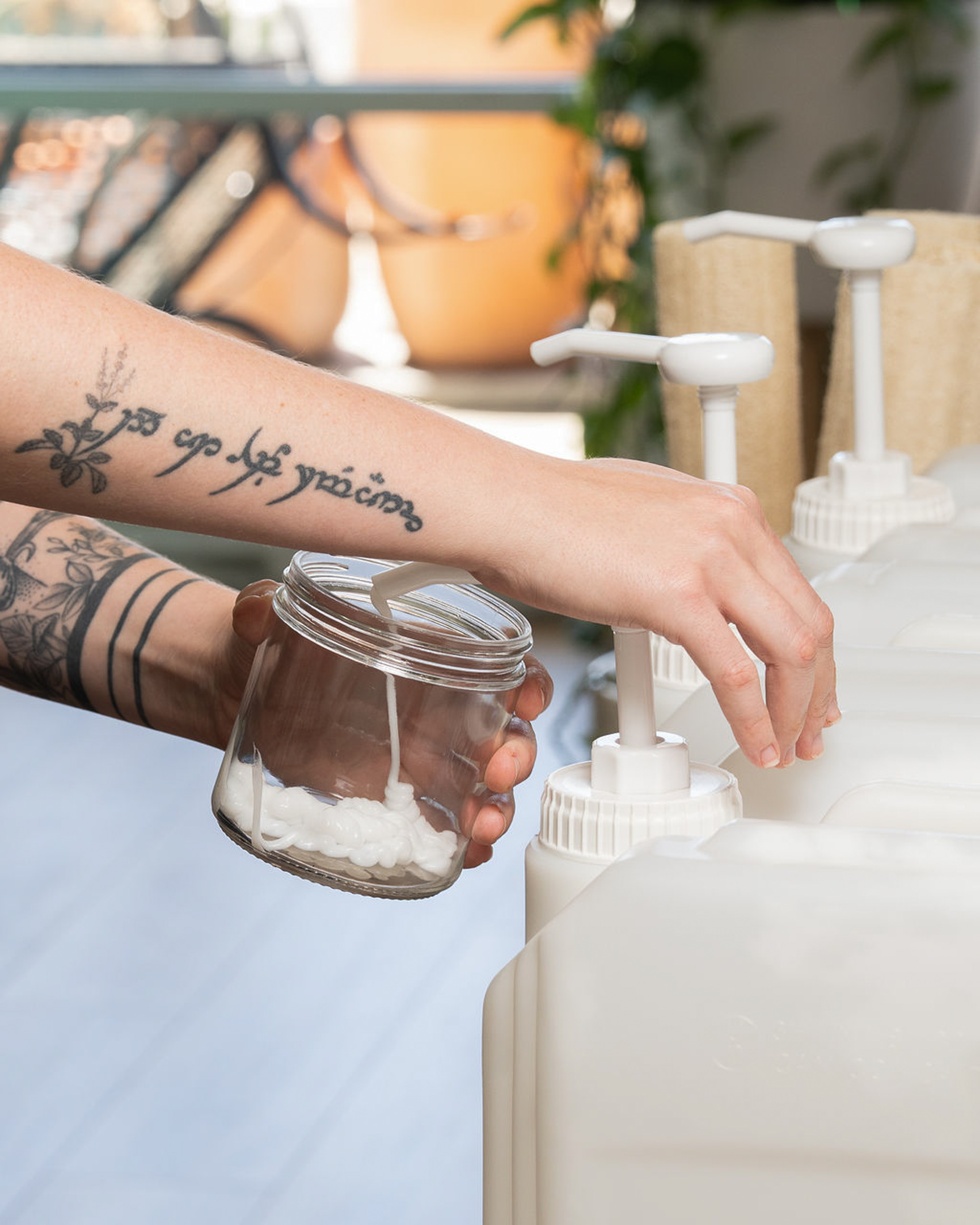
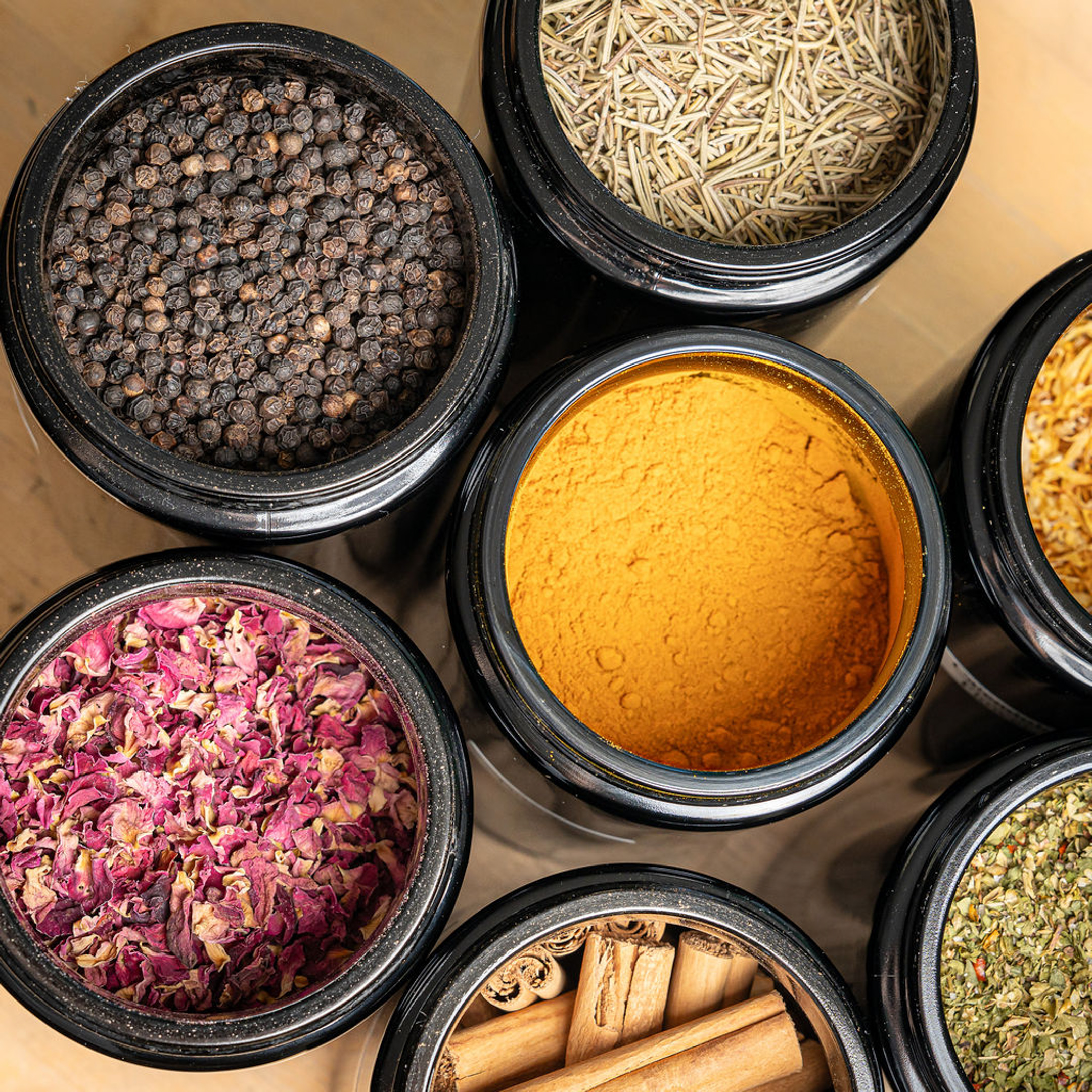
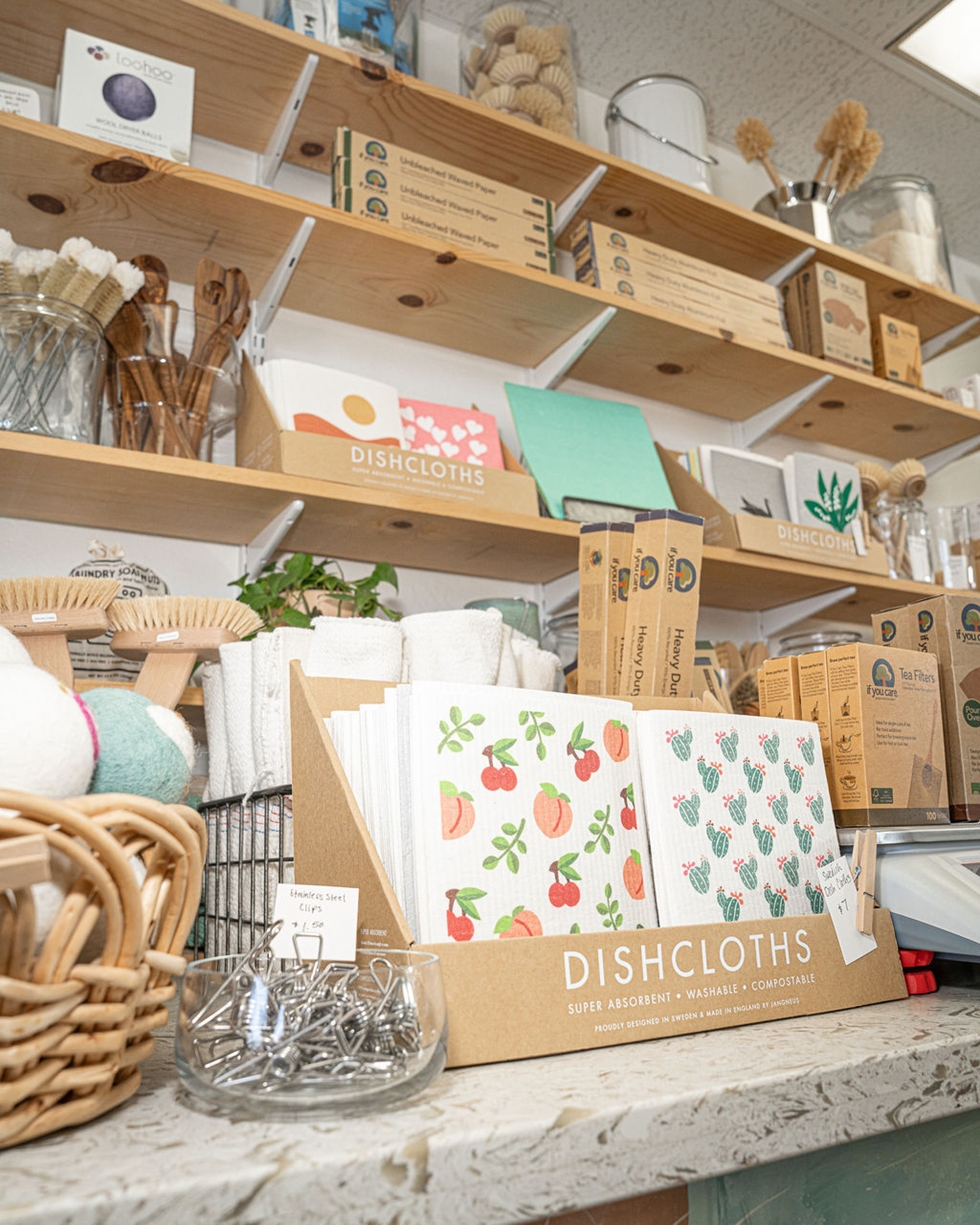
Zero-waste shops are another incredible resource for avoiding plastic packaging. These are stores dedicated to providing the community with bulk options for food, beauty, and household products like shampoo and conditioner, as well as plastic-free alternatives to everyday items. Walking into these shops is like stepping into both the past and the future all at once. Some of my favorite swaps are Swedish dishcloths instead of paper towels, shampoo bars, and bulk spices, teas, and dish soap. Here’s how local refill shop owners are helping San Diego live plastic-free.
EARTHWELL REFILL
Kensington
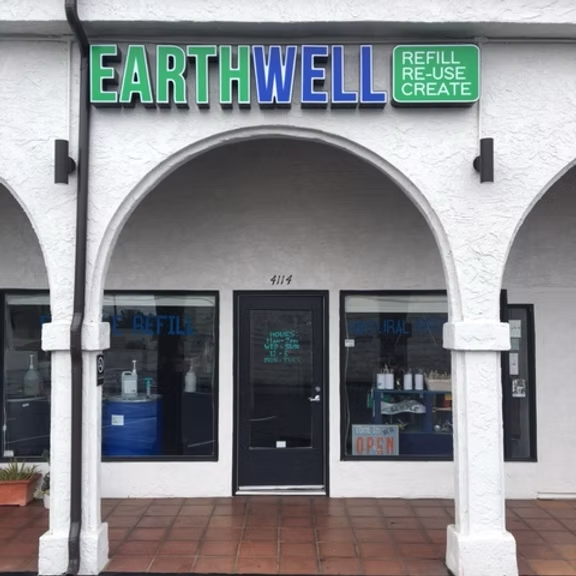
Since opening Earthwell in 2016, owner Katrina Oprisko notes that customer interests have evolved. There is a significant focus on finding products with cleaner ingredients, and Katrina is adding plastic- and toxin-free makeup options to her inventory in response.
VESSEL REFILLS
Escondido
Brook Gunn, owner of Vessel Refills in Escondido, recommends that people start small. Replacing just one product at a time helps customers avoid “eco-fatigue” and feeling overwhelmed.
SHINE MARKET
Encinitas and Del Mar
Offering food, household refills, and plastic-free alternatives at two locations, owner Cara Moon Schloss views the movement as a community effort. “Every refill and every small swap moves things forward,” she says.
SONORA REFILLERY
Oceanside
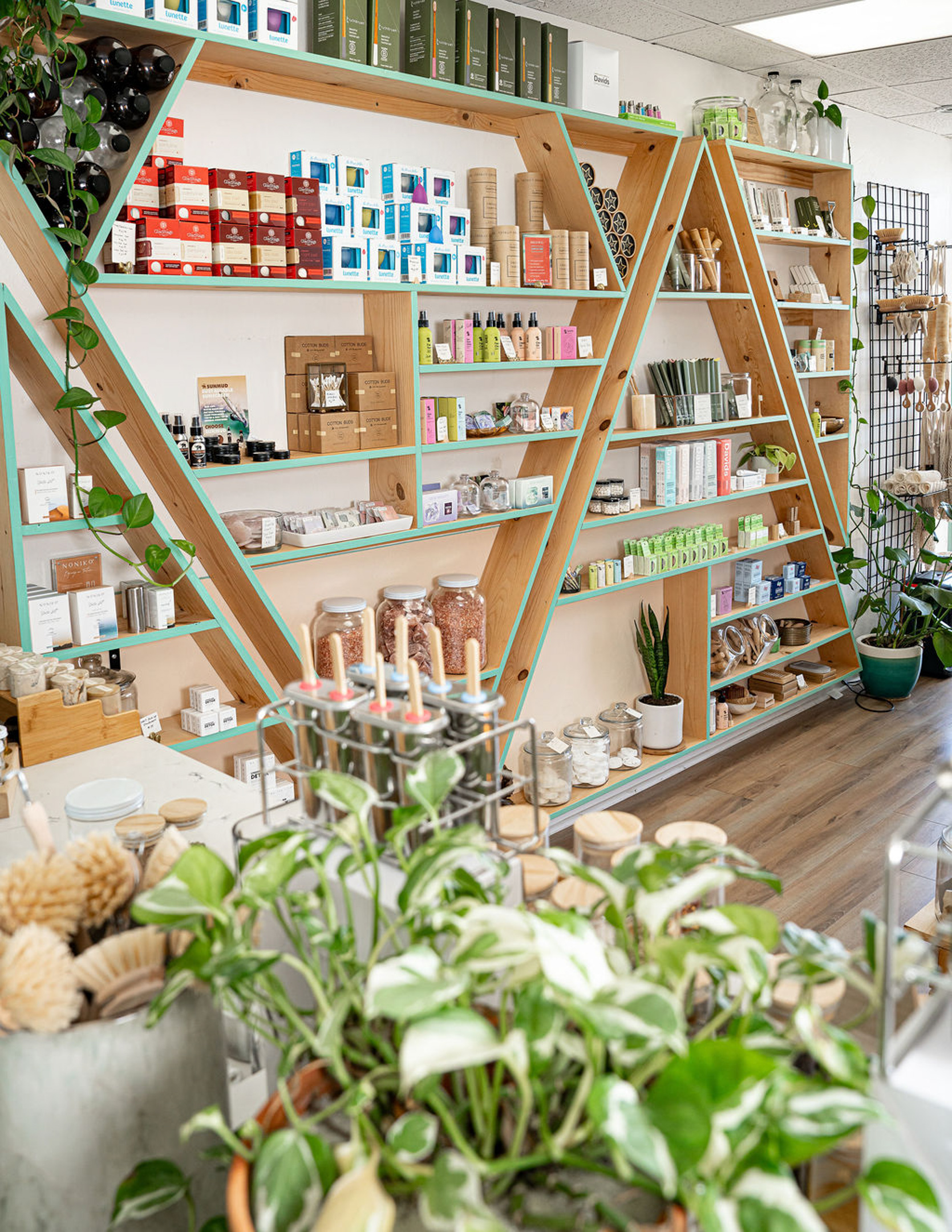
Owner Marissa Figueroa says, “We have cooking oils by the ounce and organic teas and spices by the gram. Having the opportunity to buy spices by the gram is helpful for recipes that require an ingredient you hardly use and therefore end up wasted. Shopping in bulk gives the customer the freedom to buy what they need, reduces packaging waste, and helps keep people from overconsuming. When you’re able to purchase the amount you need, you’re able to save money—and that helps everyone.”
Speaking with these owners makes one thing clear: Owning a refill shop is a labor of love for our community and the planet. Large-scale change is simply the result of many small actions. By supporting these practices and shops, we can all be part of the solution together.
Bulk Bin Shopping
Zero waste shops
Kensington
San Diego
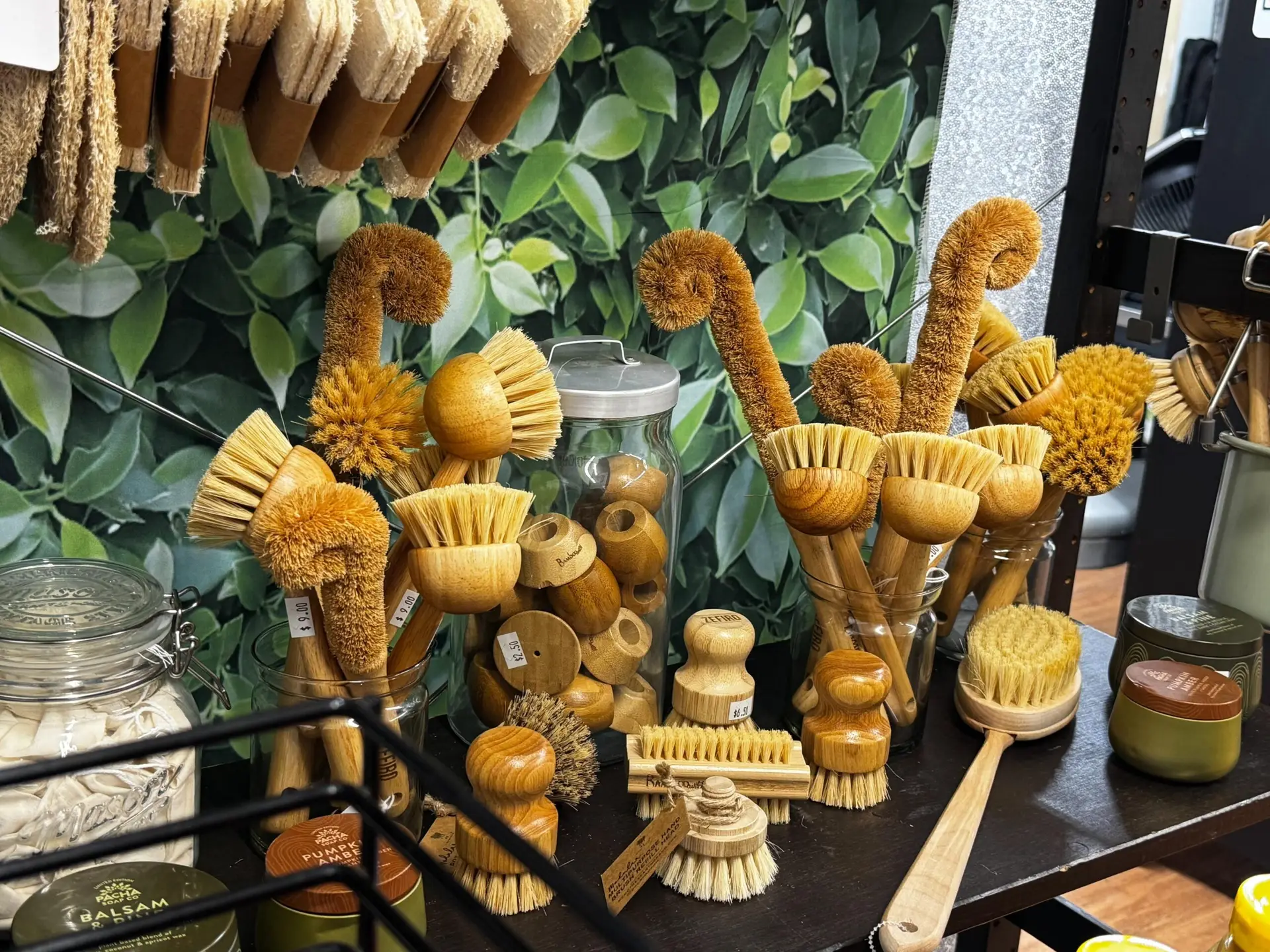
San Diego
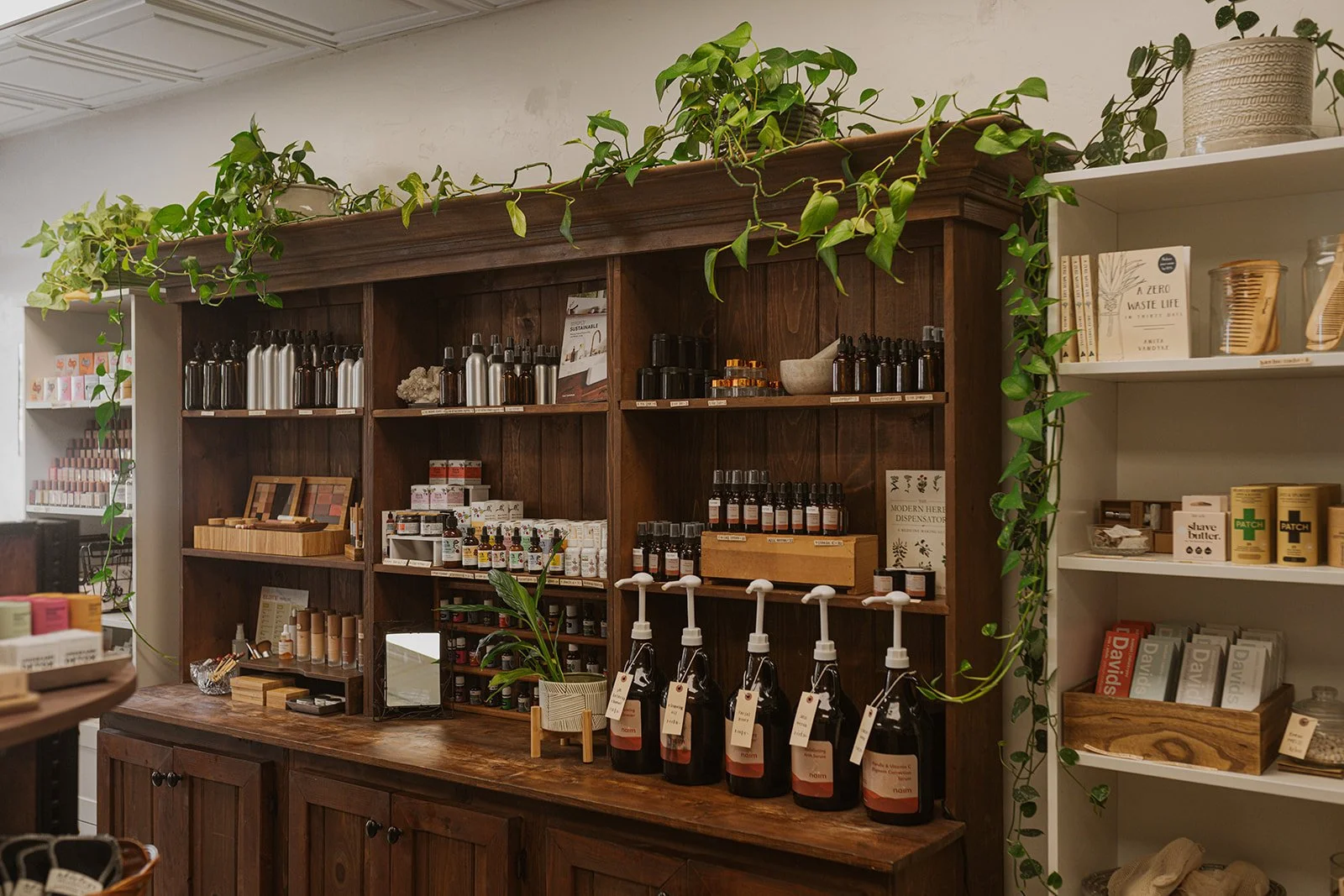
La Mesa
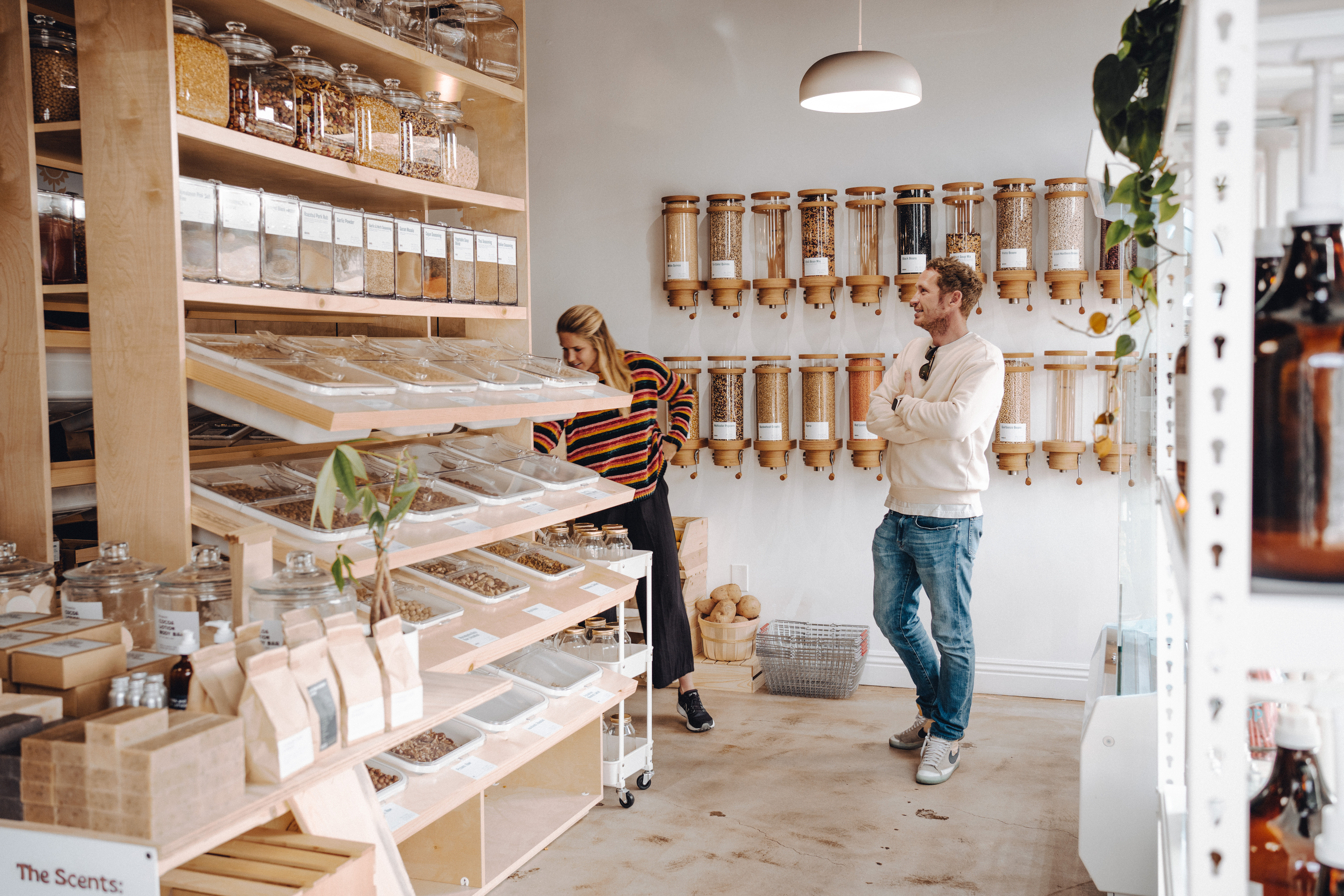
Del Mar, Encinitas
Oceanside
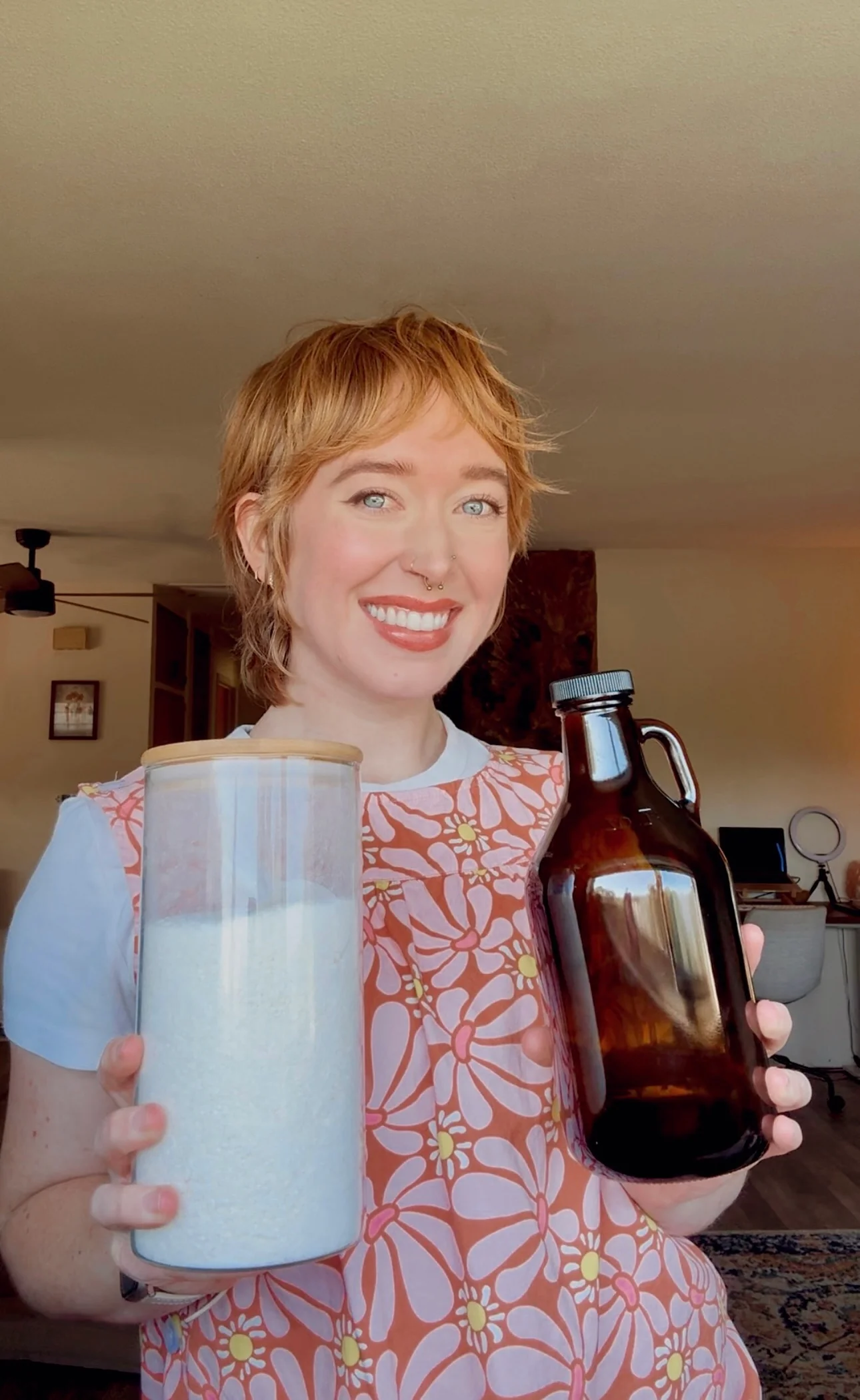
Escondido
Grocers with bulk bin sections
La Mesa, Oceanside, Vista
Carlsbad, Escondido, 4S Ranch
Ocean Beach People’s Food Co-Op
San Diego
Ramona
San Diego
Imperial Beach
San Diego
These listings are not comprehensive. If you know of other shops to consider adding, please let us know: [email protected].
A version of this article originally published in issue 83.
This article contains links that are not provided, maintained by, or in any way affiliated with Edible San Diego.
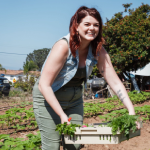
Liz Murphy
Liz Murphy is a local sustainability warrior and chef behind Santosha Nutrition, offering plant-based cooking class for cooks of any level. Have questions about storing a specific food item? Her cookbook Kitchen Contentment: A Seasonal Guide to Cooking with Plants contains over 50 vegan and gluten-free recipes to encourage support for local farmers and shops. Find out more at santoshanutrition.com.


