




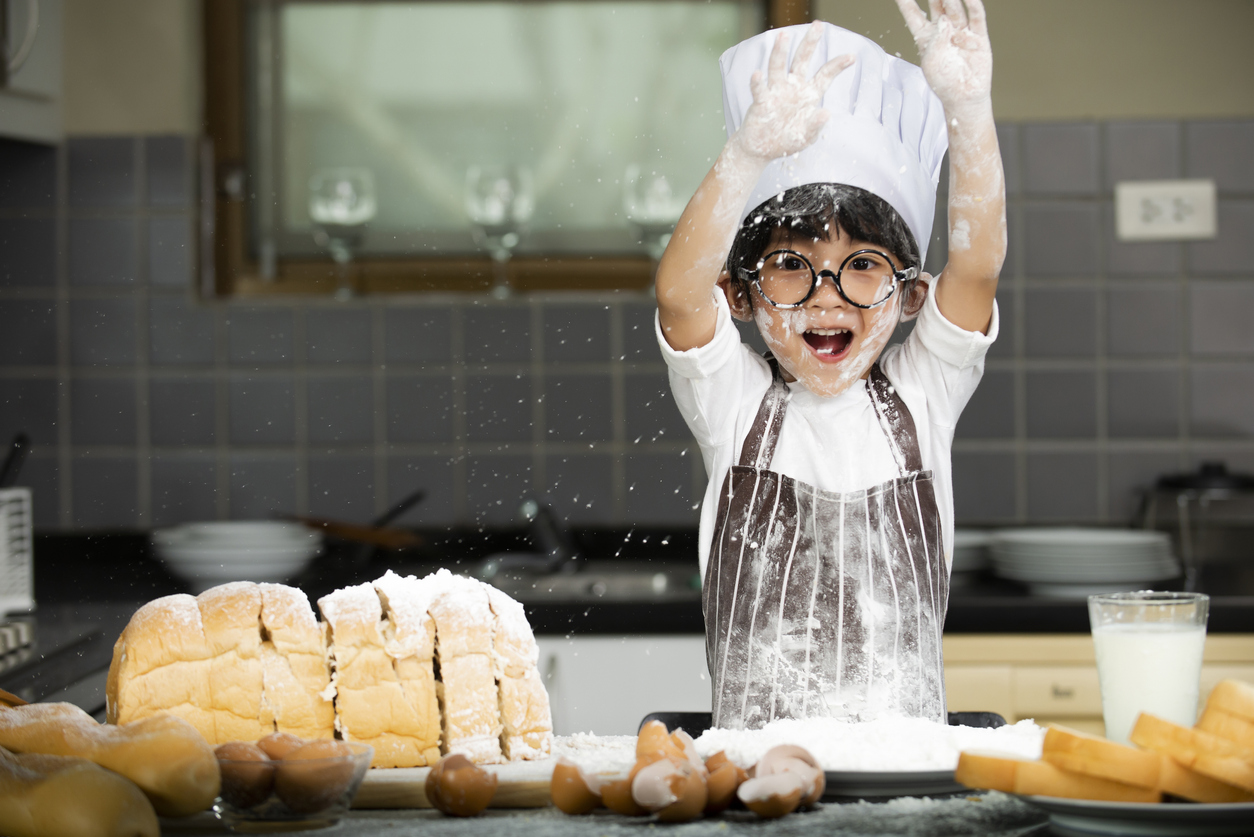
Most evenings, my three-year-old preps banana pancake batter at the kitchen counter for breakfast the next day. Standing on her toddler tower, she peels a ripe banana and mashes it with a handful of oats, an egg, and a sprinkle of cinnamon. Eggshells sometimes slip into the bowl, and oats regularly scatter across the counter, but it was the first recipe she learned to make—and the first time I realized how much she could actually do on her own.
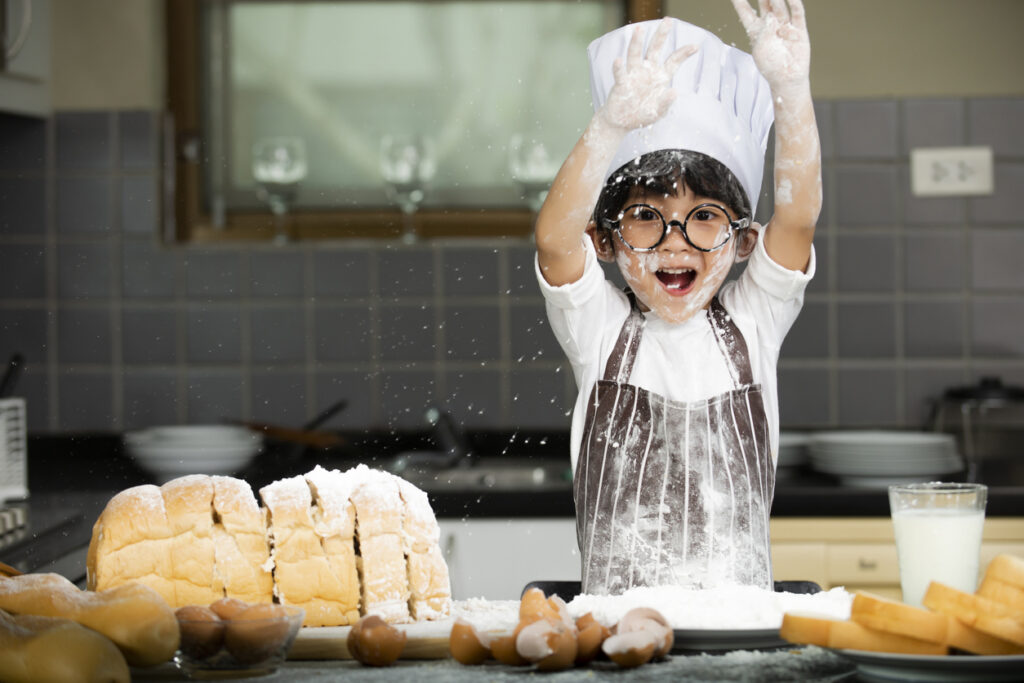
That early confidence in the kitchen has shaped more than breakfast; it has changed the way she relates to food. When kids help make meals, they get to know ingredients long before anything reaches the table. They handle them, smell them, watch them change, and learn where they fit into a recipe. Food feels less unfamiliar when they are part of the process.
That matters, especially with toddlers, whose resistance to certain foods often has as much to do with unfamiliarity as preference. A child who has rinsed snap peas, torn herbs, or helped blend soup approaches the finished dish differently than one who only encounters it on the dinner plate. A child who recoils from a bowl of lentil soup may be perfectly happy scooping dried lentils into a measuring cup and pouring them into a pot. Cooking allows children to touch, smell and examine foods without the pressure of eating them, making new ingredients feel less intimidating over time.
I spent too long underestimating what young children can do in the kitchen. Much of the advice about cooking with kids centers on symbolic participation: stirring a bowl, sprinkling cheese or placing toppings on a pizza. But I’ve found there’s an important difference between a child “helping” and a child actually making a meal. Toddlers and preschoolers can zest a lemon, roughly measure ingredients, and use kid-safe knives to chop soft fruits and vegetables.
For young children who have relatively little control over their daily lives, the dinner table is one of the few places they can assert autonomy. Refusing food is often less about the food itself than about agency. Inviting children into the cooking process shifts them from passive recipients of a meal to active participants in creating it. That sense of ownership doesn’t guarantee they’ll eagerly eat everything they help make, but it changes the relationship.
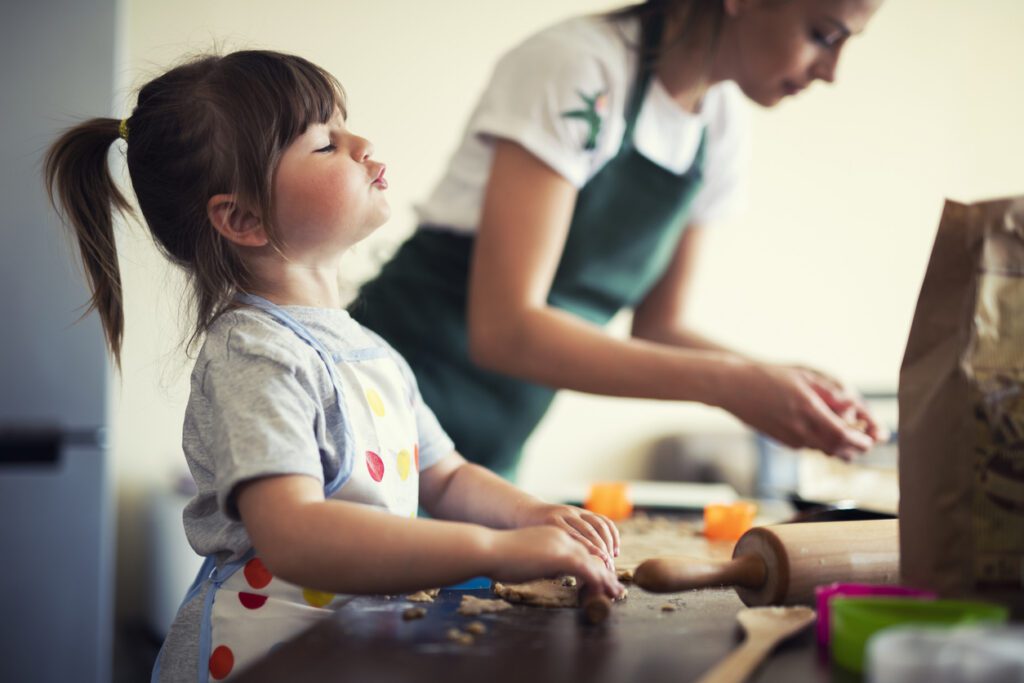
As children get older, their responsibilities can expand. Measuring becomes more precise. Tasks begin to connect: this goes in before that, this needs more time, this is finished. By later elementary school, many children are capable of preparing simple meals with supervision or even taking responsibility for a regular family “dinner night.” Along the way, they aren’t just learning recipes. They’re developing planning skills, sequencing, problem-solving, and confidence.
Cooking with children is inherently less efficient than cooking alone, and trying to maintain the pace and precision of an adult-only kitchen usually leads to frustration. Lowering the stakes is one of the simplest ways to make the experience enjoyable. Weekend breakfasts, baking projects, or afternoon snacks are often better entry points than rushed weeknight dinners. Or, like me, you can have your little one prep breakfast while you’re whipping up dinner after work.
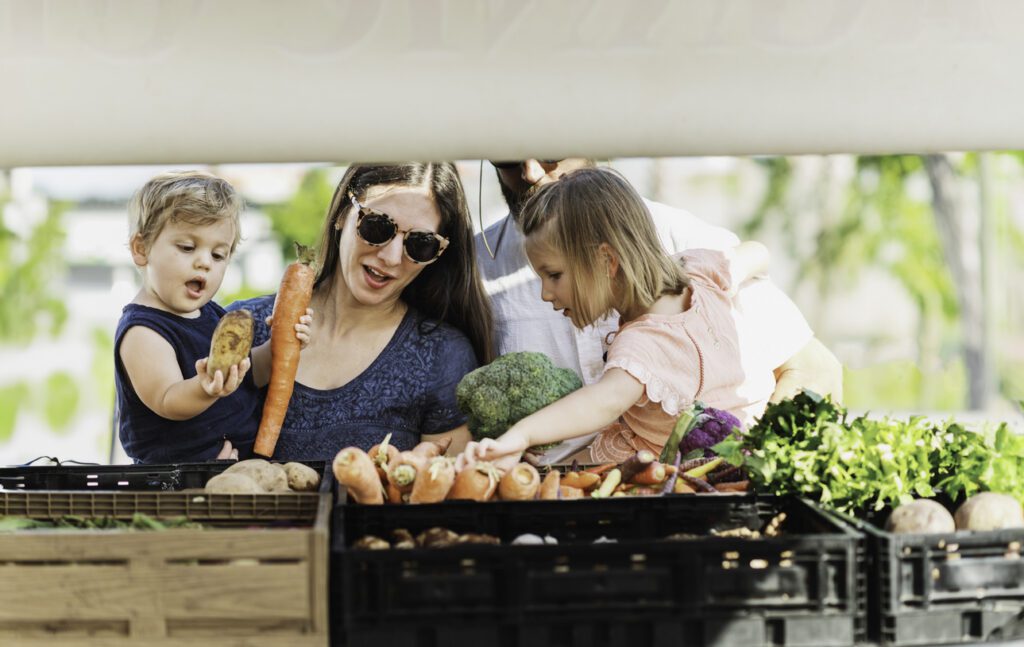
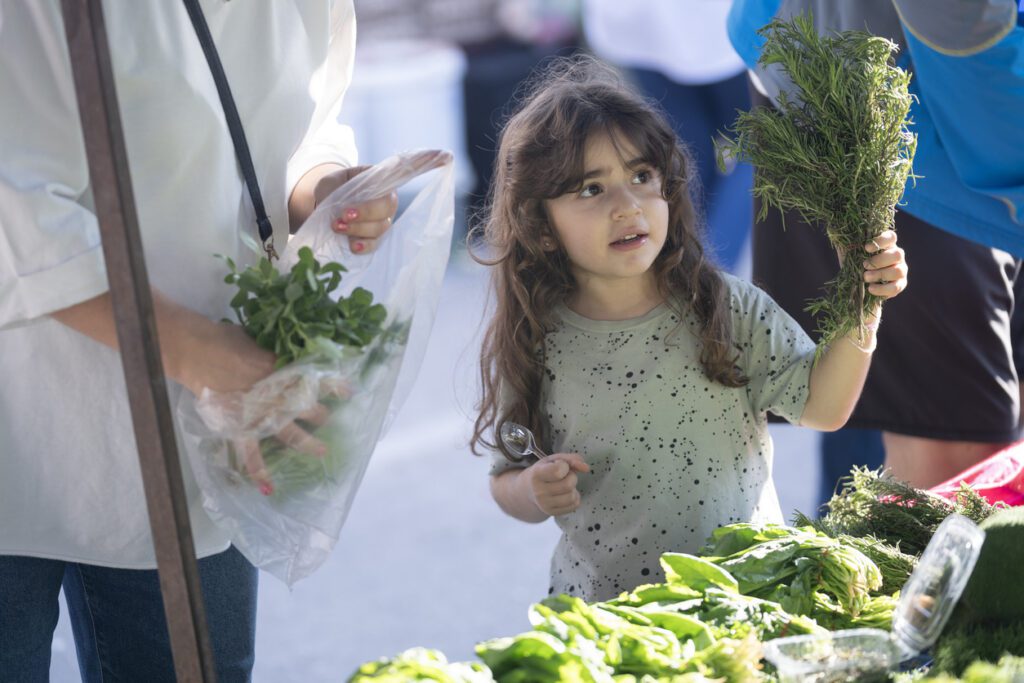
Participation can begin even before cooking starts. At grocery stores and farmers’ markets, children can help choose seasonal produce and see where ingredients come from. I typically opt for the convenience of a CSA box, and my daughter skips home excitedly when I announce its arrival. She helps me unpack it and asks about each unfamiliar item as she touches and smells it.
A small home garden, even a pot of basil or mint on a windowsill, extends that connection further. Watching something grow, harvesting it, and then using it in a meal helps children understand that food is something cultivated, not just purchased.
Cooking with kids won’t eliminate picky eating overnight, and for some children it may not eliminate it at all. The goal isn’t to raise a child who happily eats every vegetable placed in front of them. It’s to raise someone more willing to explore unfamiliar foods, more comfortable in the kitchen, and better equipped to feed themselves over time.
I don’t expect my daughter to become a chef, and I know she’ll continue to have foods she doesn’t want to eat. But each evening when she climbs onto her toddler tower to mash bananas or crack eggs, she’s learning something much bigger than a recipe. Cooking with children is slower, messier, and undeniably less efficient than doing it yourself. It may also be one of the simplest ways to raise kids who are curious about food, confident in the kitchen, and prepared to nourish themselves long after they’ve outgrown the toddler tower.

Michelle Stansbury
Michelle Stansbury is a freelance writer and the author of the best-selling book From Mad Men to Modern Marketing.


