


Photography by Tyler Whitbread
Photography by Tyler Whitbread
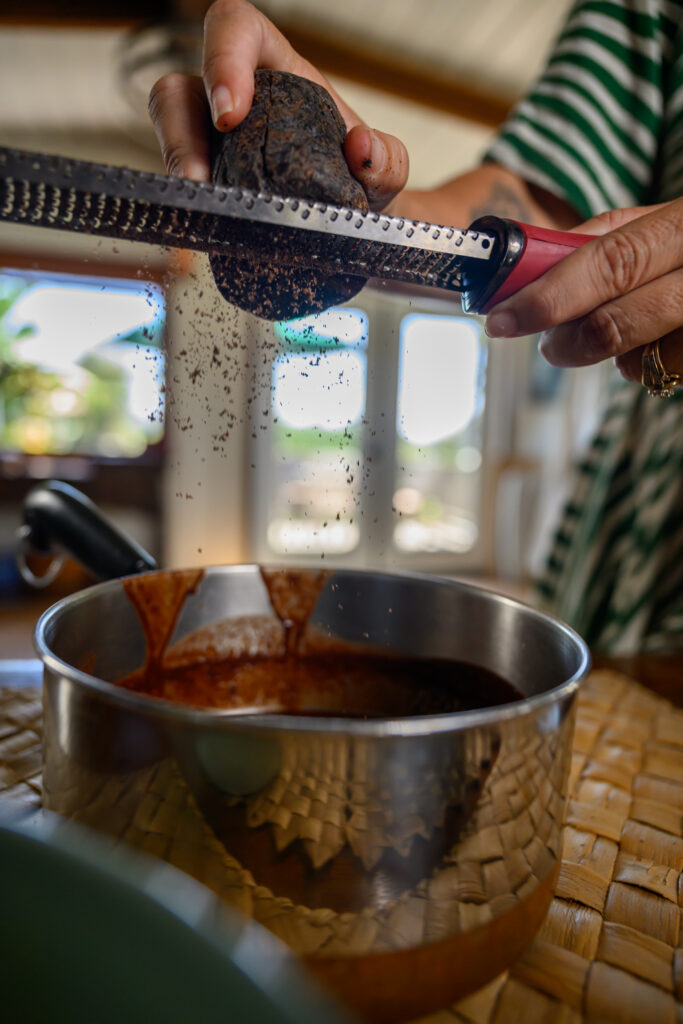
When I finally made it back to American Samoa after 35 years, I brought more than memories home. Tucked carefully into my luggage, wrapped in cloth so it wouldn’t crumble, were many blocks of Koko Samoa—traditional Samoan cacao, roasted and ground by hand, pressed into a dense, dark block that smells like the earth it comes from.
I wasn’t sure how to explain it at customs. It wasn’t chocolate. It wasn’t cocoa. It’s something older than both of those things—cacao in its most elemental form, before anyone added sugar or milk or turned it into something more palatable for an outside audience. Just the bean, roasted, ground, and pressed. That’s it.
Thirty-five years is a long time to be away from the place your culture comes from. I was born here, raised here in San Diego, a first-generation American Samoan in a family that carried the islands with them in the food they cooked and the stories they told. Koko Samoa was one of those stories—a flavor I grew up hearing about more than tasting, the ingredient that made certain recipes unmistakably Samoan, the morning drink my elders described with a reverence that made me understand it was more than just something hot in a cup.
What surprised me when I got home was how close it had been all along.
Imperial Liquor in National City—a small, unassuming store that you might walk past without a second thought—carries Koko Samoa. It also carries taro, breadfruit, and other ingredients from the islands of Samoa that most San Diegans have never heard of, sitting quietly on shelves in a neighborhood that has always known they belonged there. If you’re Pacific Islander and you’ve been searching, start there. If you’re not but you’re curious, start there too.
Once you have Koko Samoa in your kitchen, the question becomes what to do with it.
What Koko Samoa Actually Is
In Samoa, cacao grows both wild and in cultivated groves across the islands. The traditional process of making Koko Samoa begins with harvesting the cacao pods, extracting the beans, fermenting and sun-drying them, then roasting them over an open fire. The roasted beans are ground—traditionally on a flat stone—until they become a thick, dark paste. That paste is then shaped into blocks and left to cool and harden.
No sugar. No dairy. No additives. Just the cacao, start to finish, by hand.
The flavor is nothing like grocery store cocoa powder. It is earthier, slightly smoky, more complex, with a natural bitterness that asks you to pay attention rather than simply consume. When dissolved in hot water with a small amount of sugar, it becomes the traditional Samoan morning drink that has been part of island life for generations. It is not sweet, nor indulgent in the way we typically think of chocolate. It is instead grounding, and deeply, specifically Samoan.
Understanding what Koko Samoa is—really is—changes how you bake with it. You’re not using it as a chocolate substitute. You’re using it as its own ingredient with its own voice. Once you understand that, the brownie makes complete sense.
Imperial Liquor
3106 E 16th St., #8, National City, CA 91950
A version of this story and recipe was originally published in the Edible San Diego e-newsletter on August 13, 2026. Join the free list to receive exclusive early access to stories and recipes like this one, sent straight to your inbox.
TASTE JOY
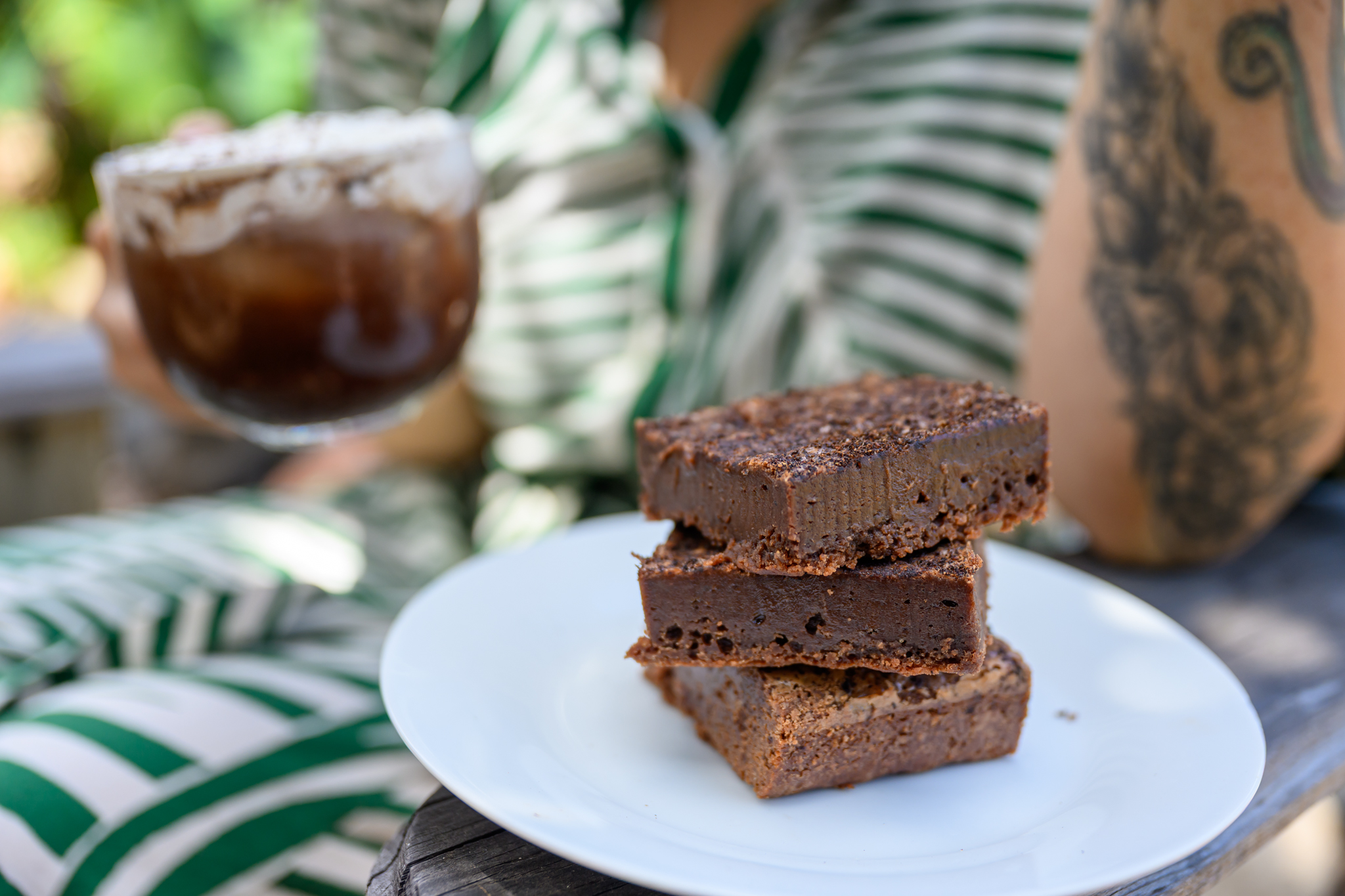
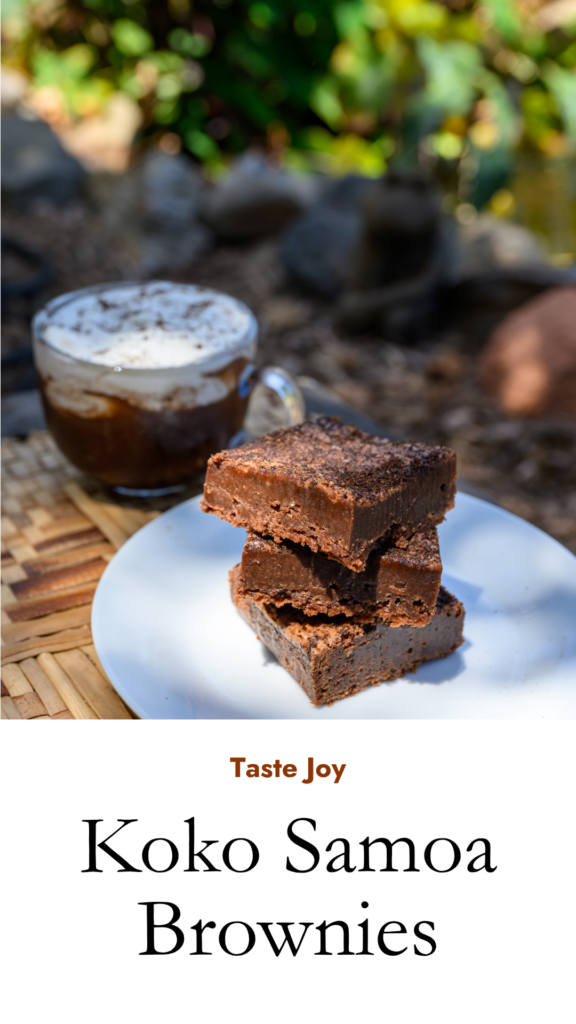
Koko Samoa Brownies
What could be better than brownies?
Koko Samoa Brownies
Bonus Recipe
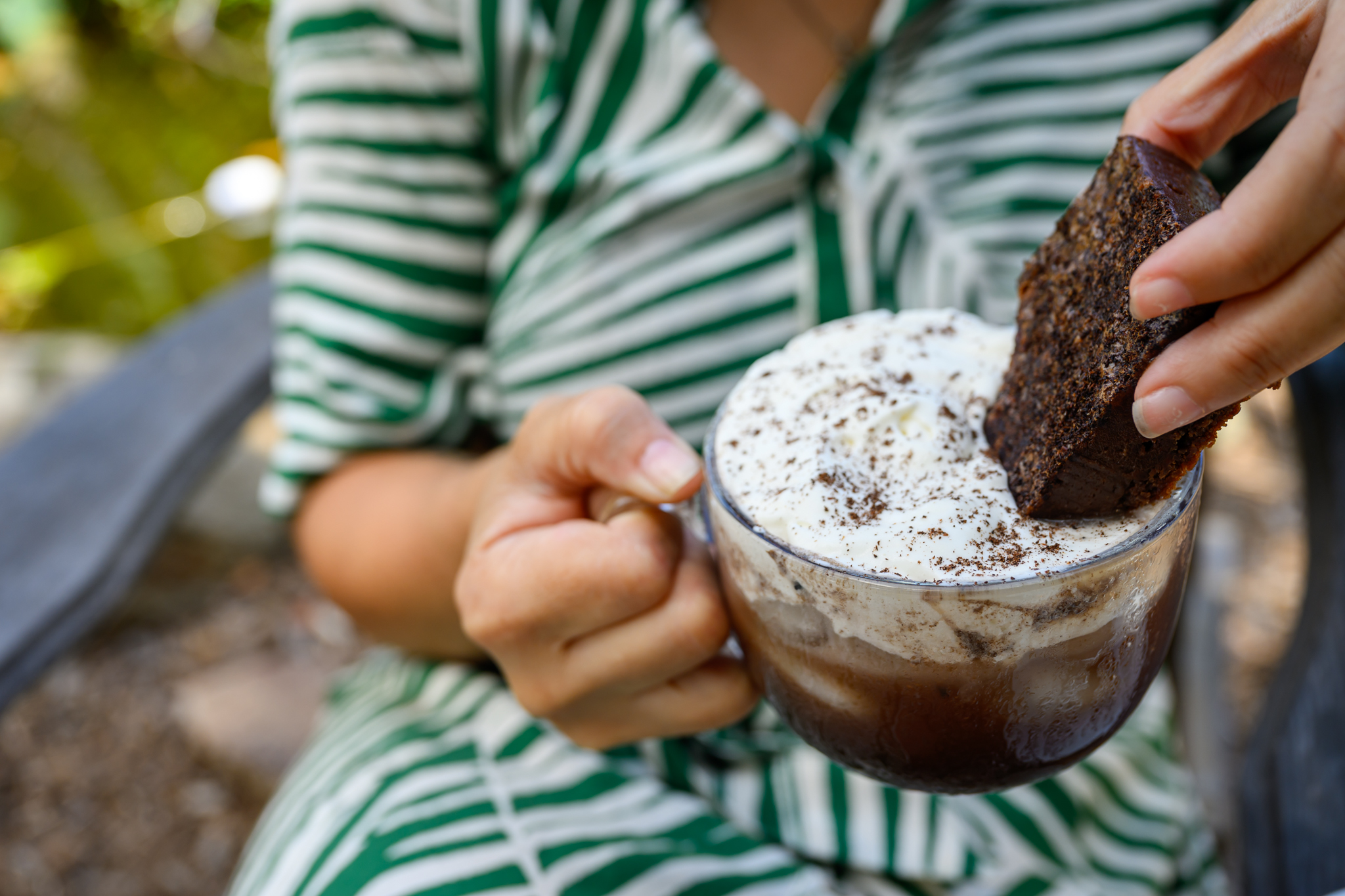
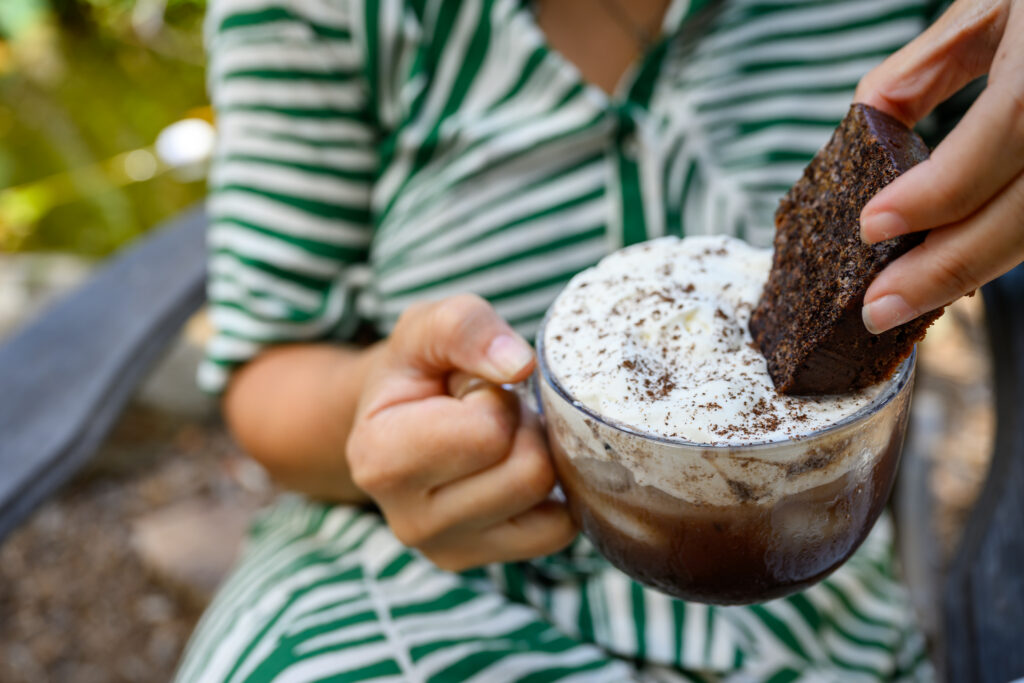
Since you’re going to need rich, decadent refreshment to dip your Koko Samoa Brownies in, you might as well make one of these.
Iced Koko Samoa with Whipped Coconut Cream
» get the recipe
Mackenzie Rubish
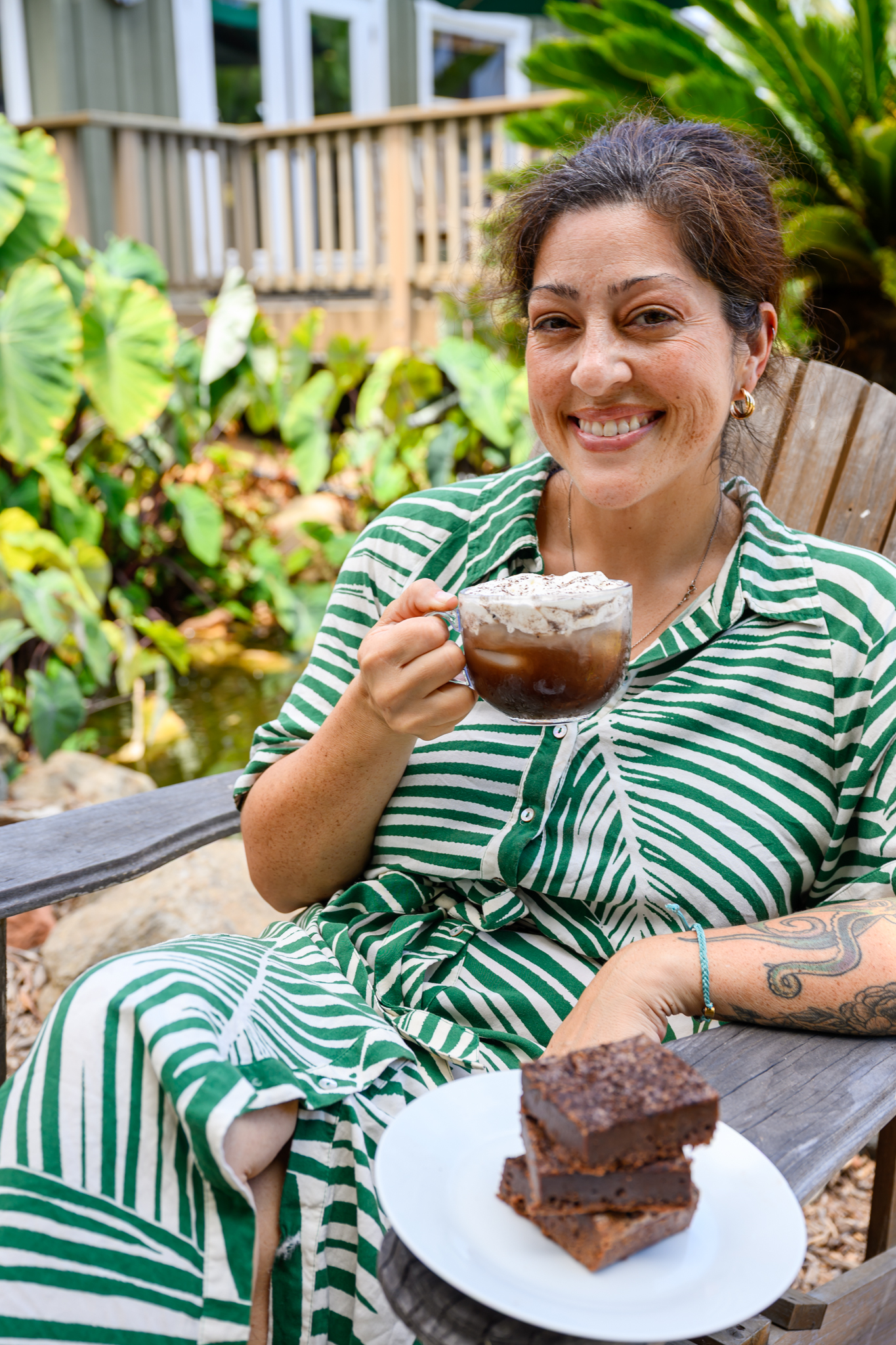
Mackenzie Faumuina Rubish is a first-generation American Samoan born and raised in Oceanside, California. She is the 2024 winner of The Great American Baking Show and the founder of Pasifika Culinary Project, a nonprofit on a mission to promote Samoan and Pacific Islander culinary heritage through education, community engagement, and cultural preservation. Find more of her personal stories and recipes on Substack.


