


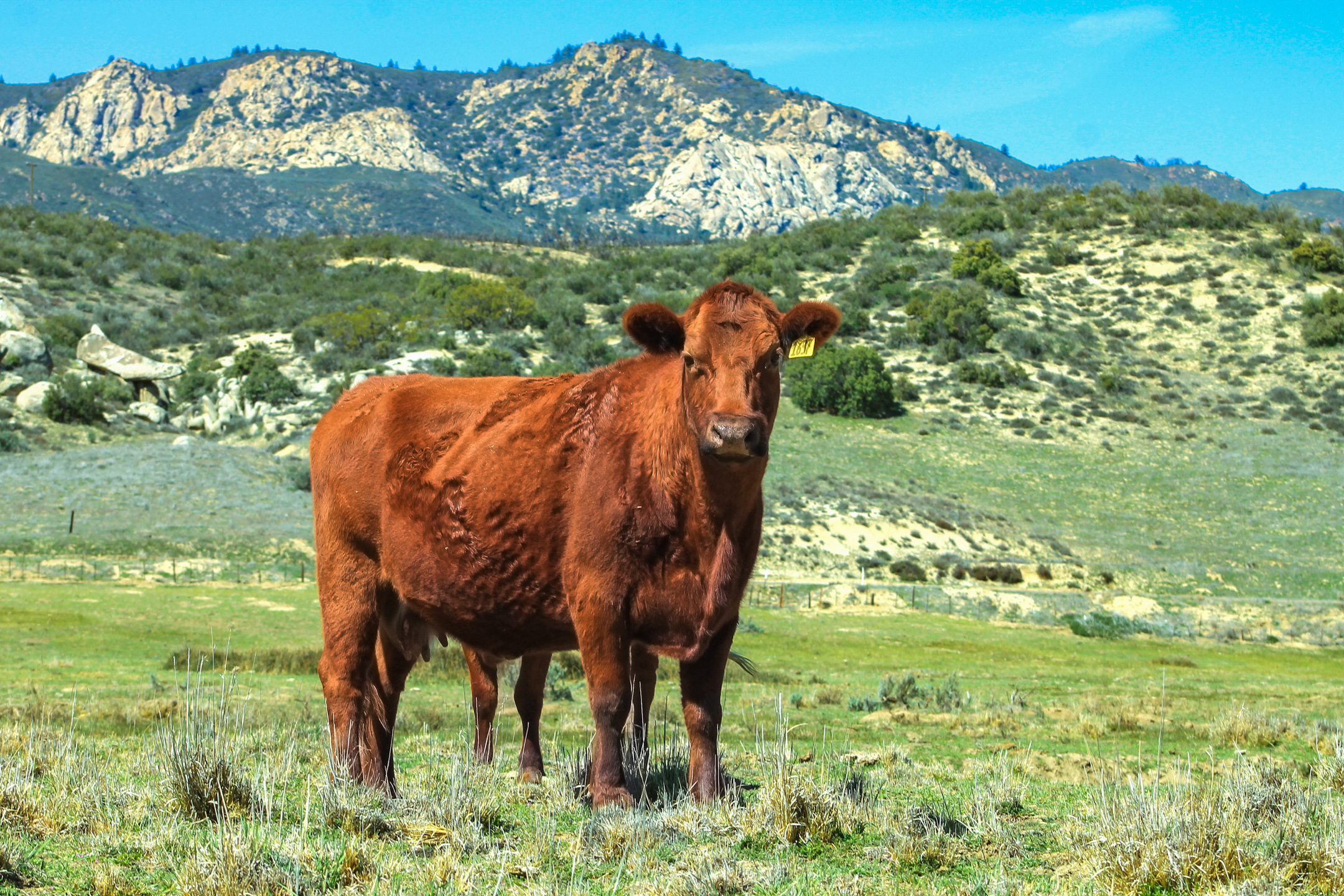
Photography by AMY PROCOP COURTESY OF SAGE MOUNTAIN FARM
Locating quality food, harvesting, and sharing meals is a type of bonding that dates back to early human history. Edible San Diego is honoring and telling the stories of local farmers nourishing our region through Community Supported Agriculture (CSA).
How does a CSA work?
In a CSA group, area residents pay a subscription as “shareholders” to support a farm’s efforts and then are given some of the crop, plus sometimes animal products and add-ons such as honey, olive oil, baked goods, herbs, or juices. This model can help stabilize and grow sales for producers while ensuring a locally produced food supply. To start a CSA business in this state, farmers register with the California Department of Food and Agriculture and receive food safety education on the website.
CSA sales increased by 25% from 2017 to 2022, according to the US Department of Agriculture, with $17.5 billion worth of food sold. This is largely attributed to a surge in interest from more people who were shopping online or directly from neighboring farms because of safety concerns, supply disruptions, and a desire to support local businesses during the Covid pandemic.
Sage Mountain Farm
Phil Noble, co-owner and farmer at Sage Mountain Farm in Anza, remembers that period well, although he says that while Covid precipitated a deeper interest in direct sales, “CSAs are great for any time. Our food system is always changing, and every time it changes, CSAs seem to be a good choice.” He and his wife, Juana, and family work their organic CSA farm together, at an altitude of 4,000 feet in the snow zone off Highway 371 just north of the Cahuilla Reservation. Noble says it’s “risky” to farm there because of the weather, but being somewhat isolated in general reduces the possibility of contamination from any other farms where different practices may be used. Their land is divided into 200 acres for cattle and 80 acres for produce. Irrigation comes from their well, which draws water from beneath the San Jacinto Mountains. They also grow a few acres of produce in Fallbrook. All their produce is handpicked at peak ripeness and delivered to consumers in parts of San Diego, Riverside, and Los Angeles counties.
Why the move to Anza?
Noble said his oldest son, Justin, needed a place to train for his professional motocross career. The family left Kensington in San Diego in 2000 and moved first to Aguanga, then to the Anza property in 2014. Noble left his work in insurance to become a farmer. “I love my work,” he said. “It has to be in your DNA. It’s like a calling or a God thing.” He said, “Call it what you like. It’s a part of me. My dad grew up on a farm in Ohio. When he moved out here, he always had a garden. He taught me how to garden. We would always share what we grew with our neighbors. Never underestimate what you teach your kids.” The Nobles say they are happy to be part of the regenerative, organic, and sustainably grown “food revolution that is sweeping across Southern California and the rest of the country.”
How did you develop your CSA farm?
Noble said it has been a lot of work, including “a few bumps in the road,” but it has all been worth it. “This is a first-generation farm. There was a lot to figure out. I didn’t get paid for the first seven years.” The family started with cows, pigs, and chickens, then planted a vegetable garden. When they found themselves with more produce than they needed, they took it to a farmers’ market and were so encouraged, they continued selling there. They gradually added lamb, eggs, and goat meat to their farm’s offerings and registered as a CSA in about 2007. Noble said the registration process was “so easy.” Now, they can also provide subscribers with mangalitsa pork (the wagyu of pork), cerveza beef, grass-fed beef, quail, and add-ons sometimes including persimmon jam, juices, dates, or honey. They have also supplied items for various health food outlets and nutrition services, and they currently supply produce to the area’s Wilson Creek Winery.
How many subscribers do you have?
“We have a few hundred. It ebbs and flows. Sometimes people start with us, then take a break, then come back, depending on their needs. Maintaining loyalty is always key in this business. Each farm needs to develop its marketing channels.”
What are you excited about this season?
“We’re really excited about our soft-necked garlic and hard-necked garlic. We also have several varieties of potatoes doing well, and we’re excited about our Sharlyn melons.
Tours and purchasing details
The public, including school groups, can make appointments for tours. Find a wealth of educational information, photos, recipes, nutrition, and CSA updates on their website.
A version of this story was originally published in issue 79.

Julie Pendray
Julie Pendray has experience working in the natural resources and environmental field, and also moonlighting in the food industry and traveling for stories. She is a certified master composter, an avid gardener, and loves to learn about nutrition. She has covered California as a journalist for over four decades.


