


PHOTOGRAPHY BY JACKIE WONDERS COURTESY OF YASUKOCHI FAMILY FARMS
When Donal Yasukochi’s ancestors arrived as Japanese immigrants in San Francisco in the early 1900s, they went to work on farms in Salinas, saved money, and eventually began growing in Garden Grove. From Orange County, the Yasukochis settled in San Marcos and later moved their farm to Oceanside in the late 1920s. Their major crop was Anaheim chiles, which they dried and sold to markets.
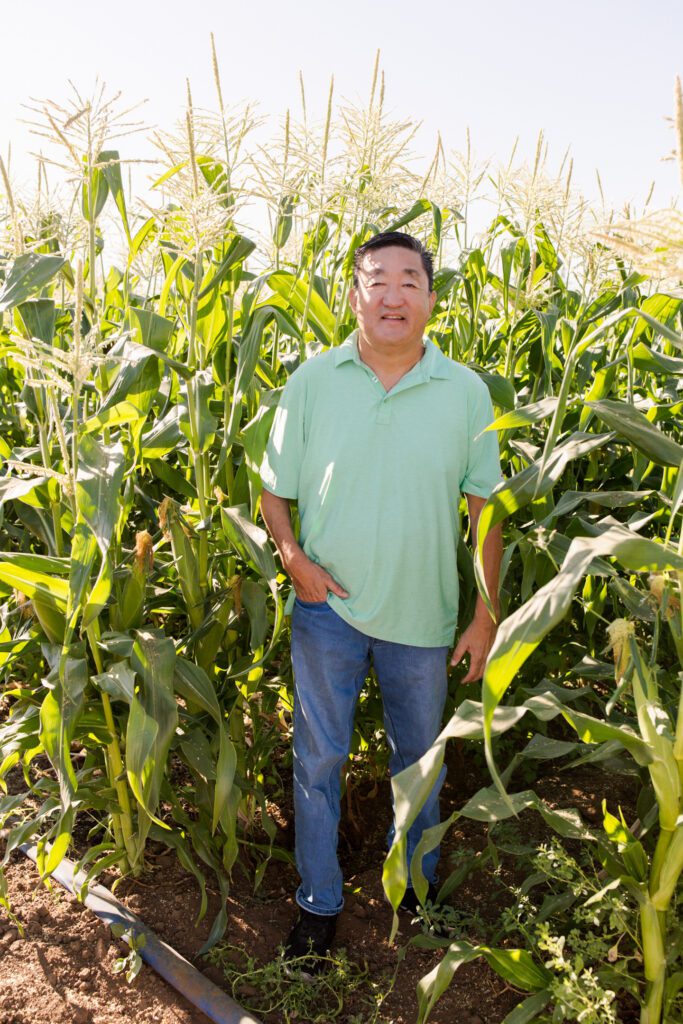
“It was a big thing,” Donal shared with a chuckle. “My grandfather was known as King of the Chiles.”
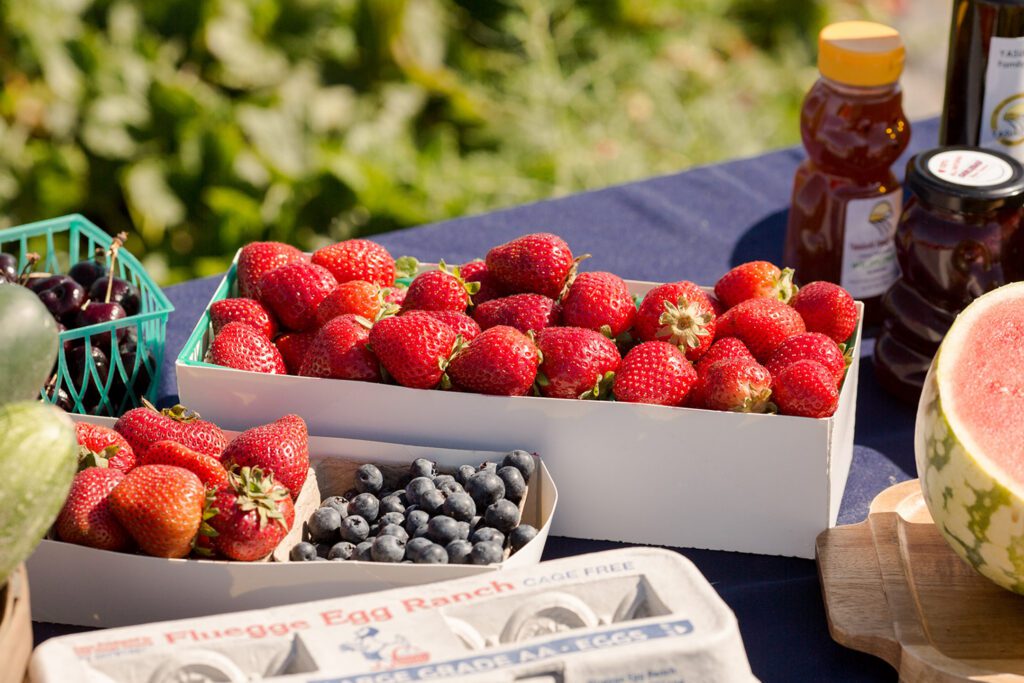
Now, several generations of their family have farmed in North County for more than 100 years. Their legacy of success includes strawberries, tomatoes, cucumbers, squash, and melons, which are sold at farmers’ markets throughout San Diego County and beyond.
Along with the high notes, there have been difficult challenges in the family’s history. During World War II, Japanese immigrants on or near the West Coast were evacuated to internment camps under federal order, including many Yasukochi family members. Donal’s grandparents, a great-grandfather, uncles, aunts, and their children were sent to camps out of state. “The main family went to Poston,” he said.
The Poston War Relocation Center, located in southwestern Arizona on the Colorado River Indian Reservation in the Mojave Desert, was a major Japanese internment camp during WWII. Research conducted by the San Diego Public Library for this story confirmed that people with the last name Yasukochi were among those housed in the wood and adobe barracks. Historical accounts of the camp detail the spread of illness, inadequate medical supplies, and a wide range of temperatures, from blazing hot to extremely cold.
Through it all, the Yasukochis were able to continue their business and also generate income from their strawberries on their San Marcos farm while they were at the camps, Donal shared. This was due to the help of business associates and friends in North County.
“We were fortunate because a lot of people lost a lot of things,” he said. Family members at the camp were able to have a refrigerator there, he recalls, noting that not all interned families there could afford such an item. “I was told we were one of the few incarcerated families that were receiving income at the time.” After release, “the Japanese farming community had to rebuild,” he said. Donal and his brother, Kerry, now farm in Bonsall, and the warehouse remains in Oceanside. Donal was born in 1959 and has been farming for 47 years. When he talks about the setback of the internment, his voice reflects a deep wound, but he’s quick to transition to an uplifting tone when he describes his family’s currently popular vegetables and fruit, including Japanese cucumbers and Momotaro tomatoes. “We knew people would like them once they tried them, and word of mouth spreads.”
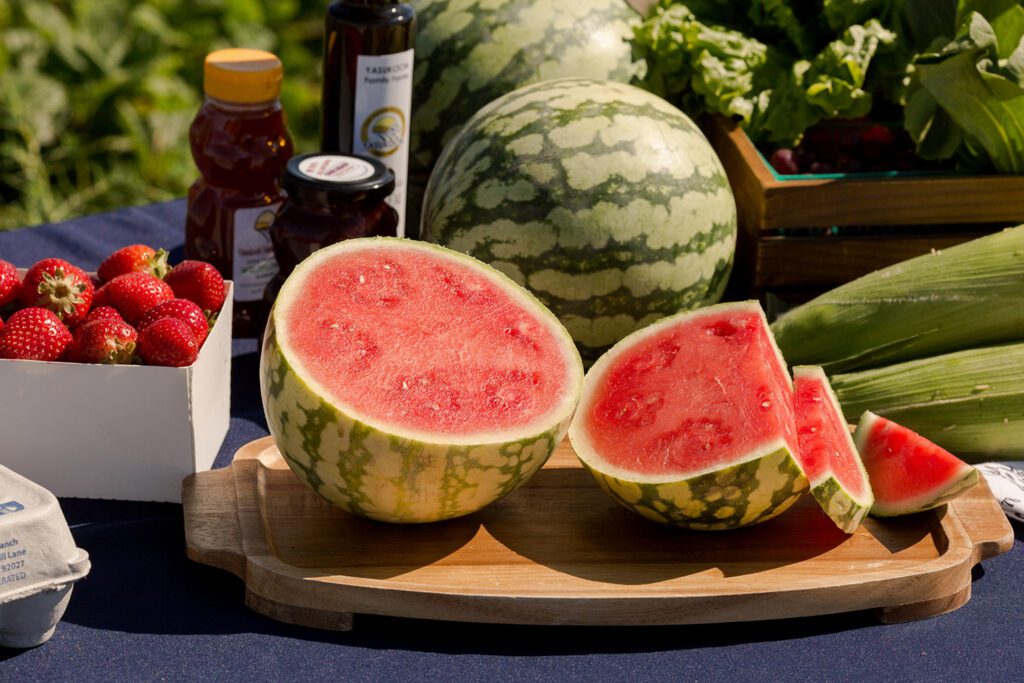
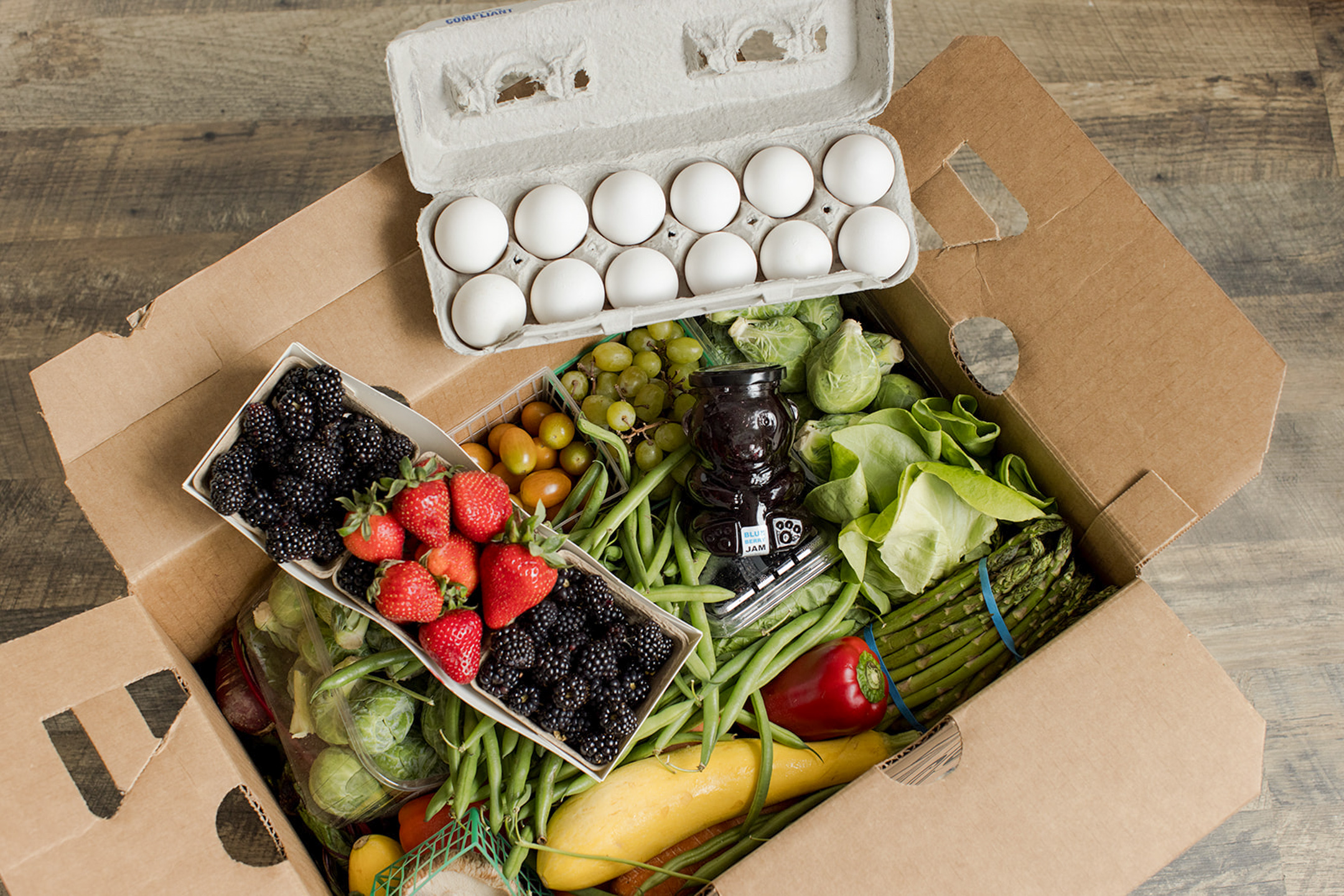
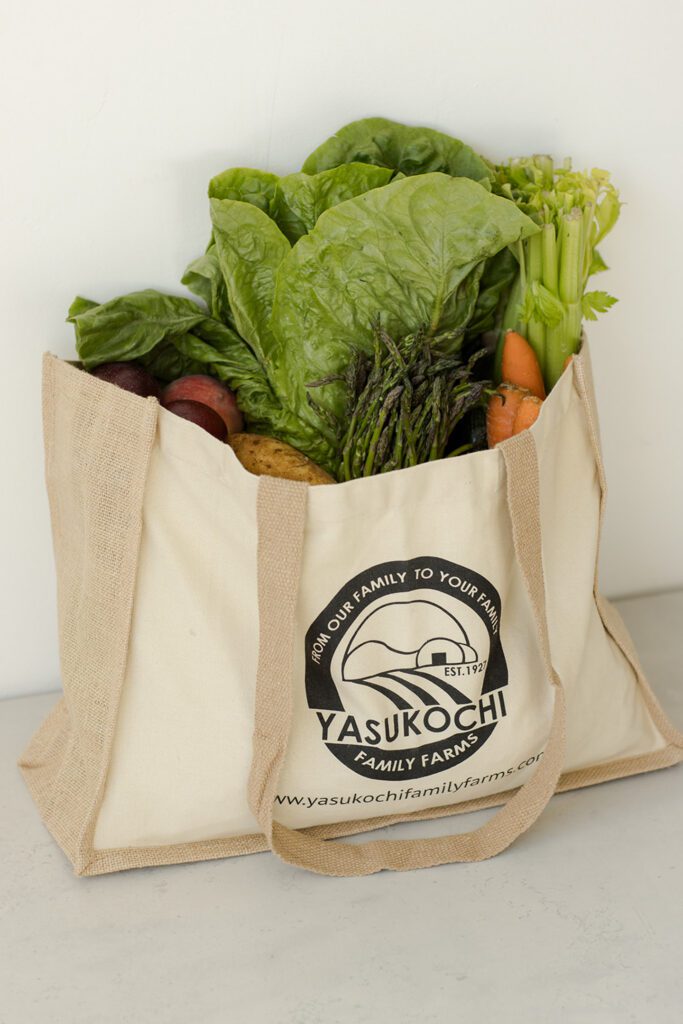
Yasukochi Family Farms’ CSA boxes are delivered throughout the county weekly and often include selections like squash, greens, celery, beans, berries, citrus, corn, avocados, peaches, and mushrooms from Mountain Meadow Mushrooms in Escondido, along with flowers or local honey. Although not certified, Yasukochi Family Farms produce is grown organically when possible, and they always use “responsible practices,” said Donal.
Donal’s daughter, Britinee, says the word “family” is very important in their business name, Yasukochi Family Farms. “We are a very close-knit group, so when we say ‘family business,’ we truly mean it. While the long-term future is still taking shape, there’s a strong shared hope and intention to keep the business in the family for many years to come.”
Find a CSA in your neighborhood
Community Supported Agriculture Guide
Summer brings melons, corn, berries, flowers, backyard parties, beach picnics, and more! Learn how to get your favorite produce, along with delicious add-ons, through Community Supported Agriculture (CSA).
» CSA Guide
From the pages
This article originally published in issue 84.
This article contains links that are not provided, maintained by, or in any way affiliated with Edible San Diego.
Julie Pendray
Julie Pendray is an award-winning journalist with an environmental background. She’s also a master composter and community gardener.


