Photography by Chris Rov Costa and Drew McGill for Edible San Diego
PRINT
What is a "Locavore"?
As we look longingly towards spring, I can’t help but think about new growth. Growth for my terribly neglected garden, for the vines that will start to emerge against the fence in my yard, for the potted herbs in my kitchen. As I start thinking about what I want to accomplish this season, I realize that growth is more than what emerges from the soil. There is more I can do, more I can learn, more I can talk about with others to grow myself as well.
As immersed as I am in the San Diego food scene, and as knowledgeable as I have tried to be about the environmental, health, and social justice issues tangled up with our global food system, there is always more I can do and more I can learn.
This spring, I am taking steps to strengthen my ties with our local foodshed and learn how I can help ensure a resilient food system that provides nutritious food for all while treading lightly on Earth’s resources. If your thoughts run along similar lines, here are a few ideas to help deepen your involvement with local food, farms, and the food community.
1. Take a Class
Our food system is increasingly complex, and as consumers, the more we know, the more we can make informed choices that benefit our environment, our community, and our health. Fortunately, there are a vast number of educational resources available to us, both locally and online. Stores like Hipcooks in North Park and The Conscious Cook in Mira Mesa can help you expand your kitchen skills. Bastyr University also offers cooking classes. Organizations, including the Solana Center, City Farmers Nursery, and Victory Gardens San Diego, have offered gardening workshops and classes for a range of skills and interests. And a growing number of online resources let those curious to dive deeper into the science, policy, and cultural issues intertwined with our food system, such as massive open online courses (MOOCs) offered through Coursera. Where to begin: Identify the topic you’d most like to learn more about, then commit to taking a class this year.
2. Buy Something Locally That You Usually Buy at the Store
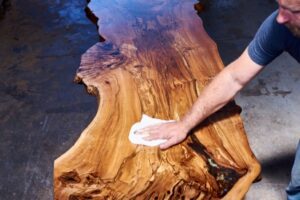
If you’re reading this magazine, chances are at least some of your weekly food purchases are done locally, if not most of them. But are there products you could source locally that you haven’t yet explored? Digging deeper to explore the full reaches of our local foodshed can help expand our awareness of where our food comes from and what it takes to produce it. Take stock of your fridge and pantry to see whether there are items you use that could be sourced more sustainably. Whether it’s olive oil, meat, rare fruit, or even kitchen equipment like cutting boards or tableware, there are dozens of products we can buy locally, supporting local businesses, reducing food miles, and keeping dollars in our community. Where to begin: Branch out from your regular farmers’ market or CSA and explore a farmers’ market you’ve never been to. It doesn’t have to be food, either; we are in love with the reclaimed wood creations at San Diego Urban Timber.
3. Sign up for a CSA Membership
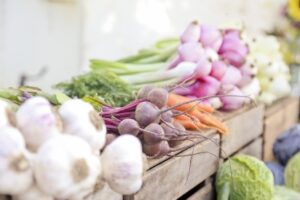
CSAs, or community-supported agriculture programs, connect local farms directly with consumers, providing subscribers with a regularly scheduled box of food in exchange for financial support. There are at least a dozen CSA options in San Diego County, including both produce and meat CSAs. Programs vary by content, pick-up locations, and quantity, meaning chances are high you can find a program that works for you. If you hesitate because you aren’t confident you’d know what to do with everything in your box, don’t worry—there are plenty of resources that can help. Where to begin: To find a farm near you, check out our interactive San Diego County CSA map. The San Diego County Farm Bureau website lists several local CSAs at SDFarmBureau.org. Explore each program to find one whose contents, price, and location best meet your needs.
4. Grow Something (New)
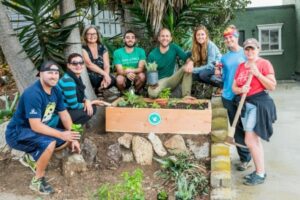
Whether you have an apartment balcony or a sloping south-facing hillside, growing your own food can be both educational and rewarding. Coaxing a vegetable from seed to start to harvest involves patience, knowledge and skill, but it is a skill anyone can learn. This spring, stretch your imagination and sow something new in your soil—whether you’re a first-time container gardener or a seasoned urban farmer trying out a new crop. Where to begin: The San Diego Master Gardeners’ website has videos, instructions, and links to help you get started growing just about anything that can be grown locally (MasterGardenersSanDiego.org). San Diego Botanic Garden offers classes on gardening, keeping chickens, and hydroponics (sdbgarden.org/classes). Or try getting involved with a community effort like the new Little Free Garden.
5. Start a Compost Bin
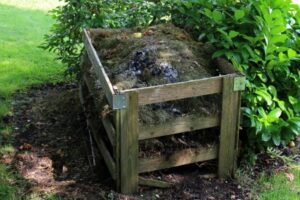
Composting helps turn kitchen food waste into nitrogen-rich humus that can be used in yards, gardens, and containers. Converting food and lawn scraps into compost also helps keep waste out of landfills. And in San Diego, both compost supplies and instruction are readily available. City of San Diego residents qualify for discounted compost bins from the City of San Diego, which are available at Dixieline ProBuild locations, and City of Encinitas and Carlsbad residents can buy discounted bins through the Solana Center. You can also build your own bin with a few basic materials. If you already compost at home, consider starting a compost bin at your office or school. Where to begin: The Solana Center’s website, SolanaCenter.org, has a wealth of composting information, including how to buy discounted bins. The Center offers free compost workshops at various locations throughout San Diego County. If you have a composting question, you can call the “Rotline” at (760) 436-7986 x700.
6. Make Something (New) from Scratch
Readers of Edible San Diego are no doubt handy in the kitchen, but even for the most talented chefs, there is always something new to learn. Try preparing a dish you’ve never tackled before, using a new ingredient, or learning a new technique. Expanding your culinary repertoire builds new skills, helps you feel more comfortable in the kitchen, and can be thrilling when the results turn out well. Where to begin: The San Diego Public Library has an extensive cookbook collection, with many titles available through interlibrary loan. Or use FoodBlogSearch.com to explore recipes from thousands of food blogs.
7. Eat a Little Less Meat
Globally, conventional (industrial) meat production puts an enormous strain on the Earth’s resources. Calorie for calorie, the amount of water, grain and fossil fuel needed to produce industrial meat is from 7 to 10 times greater than plant-based food.
[Editor’s Note: However, there is some evidence that carefully managed pastured animal production has a neutral and potentially negative carbon footprint.] Reducing your meat consumption benefits the environment and your health.]
Purchasing less meat may also allow you to afford more expensive grass-fed or local meat, which, compared to industrial meat, is far better for both the environment and your health. If you eat a lot of meat, consider cutting back. Could you rely on plant-based meals once a week? Or explore dishes that use meat sparingly? Could you allocate your meat budget to a smaller amount of local, sustainable meat from Da-Le Ranch, Sage Mountain, Womach Ranch or other local farms? Where to begin: Visit MeatlessMondays.com to learn about a campaign to encourage the public to eat meat one less day a week, and check out our recipes section for great meatless recipes.
8. Talk with a Farmer
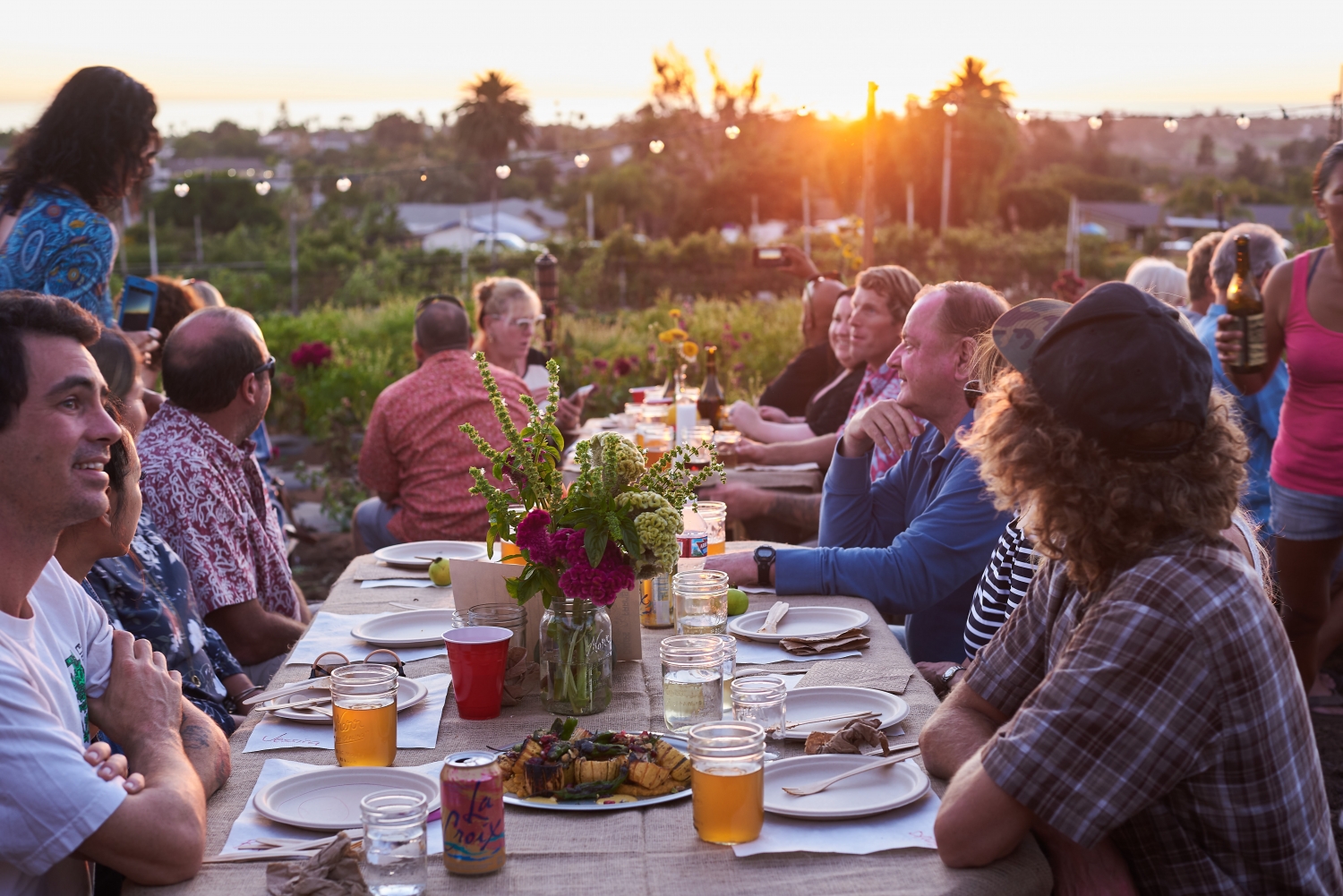
Talking with the men and women who grow our food can help us better understand what goes into food production. It can remind us of the hard work that goes into the greens, grains and growth we take for granted. And it can help us see the passion, the challenges, and the innovations that our farmers face each day. Where to begin: Start by asking questions the next time you shop at the farmers’ market. Ask about how something is grown, how it can be prepared or what makes it unique. We have some great suggestions for classes, dinners, and tours at local farms.
9. Get More Involved with the Local Food Scene
San Diego is fortunate to have many local organizations working to ensure a just and equal food system. If you’ve done all of the above, or even if you’re just starting to dip your toes in the food system waters, your participation in our area’s nonprofits can help strengthen our local food system; raise awareness about critical environmental, policy, or justice issues; or help improve the health of our community.
Whether your interests are in health, access to food, sustainability, or keeping food dollars in the community, I encourage you to make 2018 the year you get involved. Where to begin: Check out Victory Gardens San Diego, San Diego Food Not Lawns, or San Diego’s local Slow Food chapters for volunteer opportunities, or join a networking organization such as San Diego Green Drinks.
Lauren Duffy Lastowka; Alexa Soto
Lauren Duffy Lastowka is a writer and editor focused on health and well-being. She served as the executive editor of Diabetic Living magazine, the editor of Edible San Diego magazine, and a health editor for both Meredith Content Licensing and American Specialty Health. She has over 14 years of senior-level editing and management experience, including leading editorial teams, overseeing project management, spearheading editorial planning, developing house style guides, and extensive hands-on line and copy editing. I
Alexa is the food photographer & recipe developer behind Fuelednaturally.net, where she shares vibrant, easy & delicious vegan recipes. She also loves to “veganize” classic favorites like pizza, wings, and even Alfredo pasta. Her goal is to consistently demonstrate that vegan food is just food. She spends her days testing recipes in the kitchen, developing her food styling/food photography, and running her small business, Blissful Gatherings, a San Diego pop-up event service that creates vegan meals using curated local produce. You can follow her work on Instagram at @alexafuelednaturally
As we look longingly towards spring, I can’t help but think about new growth. Growth for my terribly neglected garden, for the vines that will start to emerge against the fence in my yard, for the potted herbs in my kitchen. As I start thinking about what I want to accomplish this season, I realize that growth is more than what emerges from the soil. There is more I can do, more I can learn, more I can talk about with others to grow myself as well.
As immersed as I am in the San Diego food scene, and as knowledgeable as I have tried to be about the environmental, health, and social justice issues tangled up with our global food system, there is always more I can do and more I can learn.
This spring, I am taking steps to help strengthen my ties with our local foodshed as well as learn more about what I can do to help ensure a resilient food system that provides nutritious food for all while treading lightly on the Earth’s resources. If your thoughts run similarly, here are a few ideas to help grow your involvement with local food, farms, and the food community.
1. Take a Class
Our food system is increasingly complex and, as consumers, the more we know, the more we can make informed choices that benefit our environment, our community, and our health. Fortunately, there are a vast number of educational resources available to us, both locally and online. Stores like Hipcooks in North Park and The Conscious Cook in Mira Mesa can help you expand your skills in the kitchen. Bastyr University also offers cooking classes. Organizations including the Solana Center, City Farmers Nursery, and Victory Gardens San Diego have offered gardening workshops and classes for a range of skills and interests. And a growing number of online resources allow those who are curious to dive deeper into the science, policy, and cultural issues intertwined with our food system, such as the massive online open courses (MOOCs) offered through Coursera. Where to begin: Identify the topic you’d most like to learn more about, then commit to taking a class this year.